Ilmainen taidekonsultointi

x
Tilaa maalaus Tilaa maalausOsta kuva Osta kuva JaaJaa
DetailsDetails Lisää suosikkeihin Lisää suosikkeihin LataaLataa SamanlaisiaSamanlaisia X-RayX-Ray DiaesitysDiaesitys

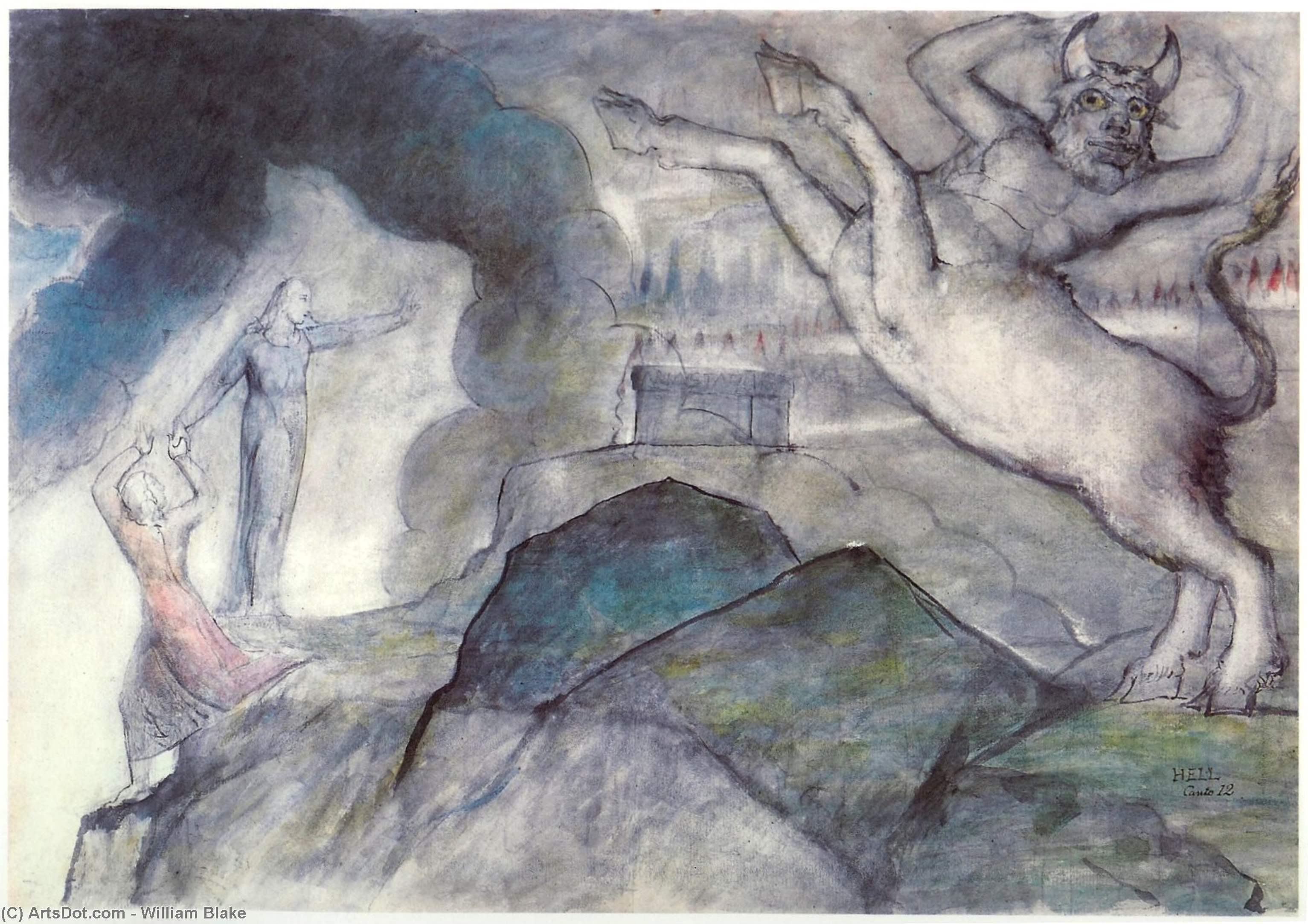
Minotaur

William Blaken Minotaur-maalaus romanttisessa tyylissä kertoo myyttisestä tarinasta ihmisen ja minotaurin välillä. Tämä yksityiskohtainen kuvitus tuo esiin mystiset elementit ja symboliikkaa Blake'n tunnusomaiseen tapaan.

William Blake’n mystinen Hekate-kuva: kolmifacesinen jumalatar, joka symboloi muodonmuutosta ja salattua tietoa. Romantiikan aikaisen taideteoksen syvälliset symbolit herättävät ajatuksia.

Giclée-printit ja taideprintit

Museolaatuisia giclée- tai kankaitaulun tulosteita nopealla tuotannolla ja joustavilla viimeistelyvaihtoehdoilla.

P118B $10
P118H $10
P118W $10
P438Z $10
P508JH $12
P508YH $12
P805H $10
P805Z $10
P919BZ $10
P919G $10
P919XJ $10
P959ZH $10
P968JZ $12
W106C $8
W218G $10
W218JH $8
W218Y $10
W307PJ $10
W316G $10
W316PJ $8
W316Y $10
W398PJ $8
W4111J $10
W500HY $15
W500JH $15
W692G $12
W849H $8
W940BG $15
W953PJ $8

Standard
custom
CM
INCH

Valitse valmiista mitoistamme sellaiset, jotka vastaavat teoksen alkuperäisiä mittasuhteita.

leveys
korkeus

Voit syöttää omat mitat sopiaksesi tiettyyn kehykseen tai tilaan. Jos valittu koko ei vastaa alkuperäisen kuvan mittasuhteita, rajaamme teosta tai laajennamme kuvaa peilatulla tai yhtenäisellä reunalla. Digitaalinen mallikuva lähetetään hyväksyttäväksi ennen tuotannon aloittamista.
Huomaathan, että näytöllä näkyvä esikatselu ei vastaa lopullista rajausta tai laajennusta. Vain mallikuva näyttää lopullisen sommittelun tarkasti.
Vaikka räätälöityjä kokoja on saatavilla, suosittelemme valitsemaan mitat valmiista listasta alkuperäisten mittasuhteiden säilyttämiseksi.

Toimitus maailmanlaajuisesti () kahdessa viikossa tavallisen 4–5 viikon sijaan. (2 heinäkuu)

why_choose_icon
Ilmainen pikatoimitus ympäri maailman
why_choose_icon
Korkealaatuinen pellavakangas
why_choose_icon
Kattava kuljetusvakuutus
why_choose_icon
Tulliveron palautustakuu
why_choose_icon
Täydellinen värien vastaavuustakuu
why_choose_icon
60 päivän palautusoikeus (vain valmistusvirheet)
why_choose_icon
100% rahat takaisin -takuu
why_choose_icon
Määräalennus tarjous

Kokonaishinta

-

reproduction

Minotaur

Giclée-printit ja taideprintit

Replikaatin koko

-

Kokonaishinta

-

Pikaista tietoa

  • Location: Private Collection
  • Medium: Printmaking
  • Artist: William Blake
  • Movement: Romanticism
  • Subject or theme: Mythology; Symbolism
  • Notable elements or techniques: Symbolic imagery; Engraving technique

Teoksen kuvaus

William Blake: Minotaur – A Visionary Encounter with Myth and Symbol

William Blake, syntetisizing Romantic idealism with visionary imagination, stands apart from his contemporaries as a true artistic pioneer. His oeuvre transcends mere visual representation; it delves into realms of psychological exploration and spiritual contemplation—a characteristic that continues to fascinate art historians and collectors alike. The painting “Minotaur,” created during Blake’s prolific output, exemplifies this profound engagement with mythic narratives and symbolic language.
  • Subject Matter: The artwork depicts a dramatic confrontation between humanity and primal instinct. At its core is the iconic Minotaur—a monstrous creature born from Zeus's wrath against Pasiphae, Queen of Crete—representing chaos, savagery, and repressed desires. Alongside him stand figures embodying innocence and contemplation, highlighting the eternal struggle between order and disorder.
  • Style: Blake’s “Minotaur” firmly establishes itself within the Symbolism movement, reflecting his fascination with esoteric traditions and dreamlike imagery. The style is illustrative, meticulously detailed, mirroring Blake's signature approach to capturing complex psychological states through visual form.

Technique: Engraving and Watercolor – A Marriage of Precision and Emotion

Blake’s masterful technique involved combining engraving with watercolor—a method he perfected during his apprenticeship with James Basire. The engraving provides a foundational framework for the image, establishing precise lines and contours that convey structural integrity. However, it is the subsequent application of watercolor that imbues the artwork with vibrancy and emotional depth. Blake skillfully layered translucent washes of color to create atmospheric effects and subtly suggest inner turmoil—a testament to his ability to translate intangible concepts into tangible visual expression.

Historical Context: Romanticism’s Exploration of Darkness and Imagination

“Minotaur” emerged during the height of the Romantic era (approximately 1800-1850), a period characterized by an intense reaction against Enlightenment rationalism. Artists like Blake sought inspiration in folklore, mythology, and visionary experiences—rejecting didactic narratives for emotionally resonant explorations of human consciousness. The painting reflects broader anxieties about societal progress and the dangers inherent in suppressing primal impulses—themes that resonated powerfully with audiences grappling with profound social transformations.

Symbolism: Confrontation Between Innocence and Monstrosity – A Reflection of Inner Conflict

Blake’s artistic vision is steeped in symbolism, where every element carries a deeper meaning beyond its surface appearance. The Minotaur itself symbolizes repressed sexuality and destructive urges—a monstrous embodiment of the darker aspects of human nature. Conversely, the woman gazing upwards represents purity and spiritual aspiration—a beacon of hope amidst the pervasive darkness. The juxtaposition underscores Blake’s preoccupation with reconciling opposing forces within the human psyche.

Emotional Impact: A Powerful Meditation on Humanity's Relationship With Instinct

“Minotaur” transcends mere depiction; it compels viewers to confront uncomfortable truths about themselves and their place in the universe. The painting evokes feelings of unease, apprehension, yet simultaneously inspires contemplation regarding the enduring battle between reason and emotion—a timeless theme that continues to captivate audiences today. Its muted palette and dramatic composition amplify its emotional resonance, cementing Blake’s legacy as a visionary artist who dared to explore the depths of human experience.

Taiteilijan elämäkerta

William Blake – Visionary’s Journey: The Life and Art of William Blake

William Blake, born in London on November 28, 1757, was a figure perpetually out of step with his time, yet destined to become one of the most celebrated artists and poets of the Romantic Age. His life unfolded against the backdrop of a rapidly changing England—a world grappling with industrialization, political upheaval, and shifting spiritual beliefs. From humble beginnings as the son of a hosier, Blake’s early years were marked by an intensely vivid imagination and a propensity for visionary experiences that would profoundly shape his artistic trajectory. Though largely self-taught in formal academics, he received drawing instruction at a young age, quickly revealing a talent that hinted at the extraordinary path ahead. His apprenticeship with engraver James Basire proved pivotal, providing him not only with technical mastery but also an understanding of printmaking techniques he would later revolutionize. These early influences—the Gothic grandeur of Westminster Abbey, the classical forms of Raphael and Michelangelo—served as foundational elements in his developing aesthetic, though Blake was never one to remain bound by convention.

Early Life and Artistic Training

Blake’s formative years instilled within him a deep fascination with mythology and folklore, alongside an acute sensitivity to visual beauty. Despite lacking formal artistic education, he possessed an innate ability to capture the essence of observed subjects—a gift that would prove invaluable in his subsequent endeavors. His apprenticeship under James Basire honed his engraving skills, equipping him with precision and technical proficiency while simultaneously exposing him to the intricacies of printmaking processes. This experience fostered a critical awareness of prevailing artistic trends—particularly the idealized depictions favored by Neoclassical painters—which Blake deliberately rejected as sterile and lacking in spiritual depth. He sought inspiration from sources beyond the mainstream, immersing himself in the writings of philosophers like Erasmus Darwin and Milton, whose imaginative visions mirrored his own inner landscape.

Illuminated Printing: A Revolutionary Technique

Blake’s artistic innovation wasn't merely about subject matter; it resided fundamentally in *how* he created. Dissatisfied with conventional engraving methods—which he considered reductive and incapable of conveying the subtleties of emotion—he developed a unique process known as “illuminated printing.” This involved etching both text and illustrations onto copper plates, then painstakingly hand-coloring the resulting prints—a laborious but deeply personal approach that allowed for complete artistic control. This wasn’t simply illustration accompanying poetry; it was an integrated art form where image and verse were inextricably linked, each enhancing the meaning of the other. He achieved this remarkable feat by combining etching with watercolor pigments, creating images imbued with luminous color and textural richness—a technique that stood apart from prevailing artistic practices of his era. This revolutionary method enabled Blake to express his visionary ideas in a way that transcended the limitations of traditional printmaking, forging a path toward a new aesthetic dimension.

Major Works and Artistic Style

Blake’s oeuvre encompasses poetry, engravings, watercolors, and illuminated books—each reflecting his distinctive artistic vision. Among his most celebrated works are *Songs of Innocence & Experience* (1789), a dual collection exploring themes of childhood innocence and adult corruption; *The Marriage of Heaven & Hell* (1793), a provocative prose poem challenging moral conventions; and *Jerusalem*, an ambitious epic poem celebrating the spiritual redemption of Albion—the ancient name for Britain. His engravings, particularly those inspired by Dante’s *Divine Comedy*, demonstrate his mastery of printmaking techniques and his ability to translate complex narratives into powerful visual imagery. Blake's artistic style is characterized by a deliberate rejection of linear perspective in favor of flattened planes and symbolic representations—a stylistic choice that prioritized emotional impact over realistic depiction. He favored tempera paints for certain canvases, reflecting his admiration for the Renaissance aesthetic, and employed watercolor pigments with exceptional skill to achieve luminous effects and capture fleeting impressions.

Legacy and Influence

William Blake’s artistic legacy extends far beyond his own lifetime, profoundly influencing subsequent generations of artists and writers. The Pre-Raphaelites embraced him as a kindred spirit—a champion of imaginative vision and symbolic expression—drawing inspiration from his groundbreaking technique and thematic concerns. Later movements—Symbolism and Modernism—recognized in Blake's work an affirmation of subjectivity and spiritual exploration—values that resonated deeply with the anxieties and aspirations of their time. Today, William Blake is revered as a pivotal figure in Romantic art and literature—an artist whose uncompromising commitment to creative freedom continues to inspire artists and thinkers worldwide. His enduring influence testifies to the transformative power of imagination and the importance of questioning conventional dogma—a testament to Blake’s timeless relevance as a visionary voice within the history of art.
William Blake

William Blake

1757 - 1827 , Englanti

Pikatiedot

  • Artistic Movement Or Style: Romantiikka
  • Artists Who Influenced This Artist:
    • Raphael
    • Michelangelo
  • Date Of Birth: 1757
  • Full Name: William Blake
  • Nationality: Englanti
  • Notable Artworks:
    • Songs of Innocence & Exp.
    • The Tyger
    • Jerusalem
  • Place Of Death: Londoo
Tutustu teoksiin, jotka on järjestetty aiheiden, tyylien ja ominaisuuksien mukaan.