Ilmainen taidekonsultointi

x
Tilaa painos Tilaa painosTilaa maalaus Tilaa maalaus JaaJaa
TiedotTiedot Lisää suosikkeihin Lisää suosikkeihin LataaLataa SamanlaisiaSamanlaisia X-lähikuvaX-lähikuva DiaesitysDiaesitys

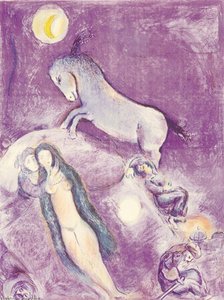
Beatrice

William Blake’n mystinen Hekate-kuva: kolmifacesinen jumalatar, joka symboloi muodonmuutosta ja salattua tietoa. Romantiikan aikaisen taideteoksen syvälliset symbolit herättävät ajatuksia.

Osta korkearesoluutioinen, parannettu digitaalikuva, joka on laadultaan huomattavasti parempi kuin verkkosivuston esikatselu.

Jokainen tiedosto valmistellaan huolellisesti omien asiantuntijoidemme toimesta käyttäen edistyneitä työkaluja ja ammattitaitoista manuaalista retusointia. Varmistamme, että jokaisessa kuvassa on poikkeuksellinen selkeys, tarkka värintoisto ja hienovaraiset yksityiskohdat.

Lopputiedosto toimitetaan sähköpostitse 72 tunnin kuluessa, ja se on optimoitu välittömään käyttöön ammattimaisissa, toimituksellisissa ja painoympäristöissä. Laatu on sama, johon huipputason suunnittelustudiot, kustantajat ja galleriat luottavat.

Digitaalinen kuva

Lataa korkearesoluutioinen tiedosto henkilökohtaiseen näyttelyyn, tulostamiseen ja luoviin projekteihin.

Kokonaishinta

$9.99

Sisältyy jokaiseen digitaalisen kuvan tilaukseen

Asiantunteva digitaalinen toimitus, taattuun laatuun

Kun valitset WahooArt.com-palvelun, et saa vain kuvaa – saat ammattimaisesti parannetun digitaalisen taideteoksen, joka on luotu tarkkuudella ja jonka takaa tulee tyytyväisyystakuu. Tässä on kaikki, mitä tilauksesi sisältää, automaattisesti:

shipping_icon
Nopea digitaalinen toimitus

Korkearesoluutioinen digitaalinen kuvatiedostosi lähetetään sähköpostiisi 72 tunnin kuluessa tilauksesta – valmiina käytettäväksi välittömästi.

canvas_icon
Tekoälyllä parannettu digitaalinen tiedosto

Taiteilijasi teos on optimoitu ammattimaisesti edistyneiden tekoälytyökalujen ja manuaalisen muokkauksen avulla, mikä takaa maksimaalisen yksityiskohtaisuuden, selkeyden ja väritarkkuuden.

insurance_icon
Ilmainen elinikäinen uudelleenlähetyspalvelu

Oletko vahingossa poistanut tai kadottanut tiedostosi? Ei hätää – lähetämme sen sinulle uudelleen milloin tahansa täysin maksutta.

tax_icon
Ei tuontimaksuja – koskaan

Nauti taiteestasi välittömästi ilman tulleja, veroja tai toimitusmaksuja – digitaaliset lataukset ovat aina verovapaita.

color_icon
Värintoiston tarkkuustakuu

Varmistamme, että digitaalinen kuvasi vastaa alkuperäisiä värejä mahdollisimman tarkasti käyttämällä ammattilaistason työkaluja ja värinhallintaa.

return_icon
60 päivän tyytyväisyystakuu

Jos et ole tyytyväinen digitaaliseen kuvaasi, muokkaamme sitä tai palautamme 100% takaisin 60 päivän kuluessa – ilman kysymyksiä.

guarantee_icon
100% Rahat takaisin -takuu

Etkö ole tyytyväinen? Saat täyden hyvityksen 60 päivän kuluessa digitaalisen tiedostosi vastaanottamisesta – ilman kyselyitä.

discount_icon
Suurtilaaja-alennukset

Osta 3 kuvaa, säästä 10% - Osta 5, säästä 15% - Osta 10+, säästä 20%. Erinomainen valinta luoviin projekteihin, gallerioille ja toimistoille.

Keräilykohteen kuvaus

A Visionary Encounter: Decoding William Blake’s “Beatrice Addressing Dante”

William Blake's "Beatrice Addressing Dante," created in 1824, stands as a testament to the artist’s singular ability to fuse mythology, allegory, and profound spiritual contemplation into a breathtaking watercolor on paper. This artwork isn’t merely a depiction of Dante Alighieri’s “Divine Comedy”; it’s an immersive experience—a visual journey mirroring the poet's arduous ascent through Hell, Purgatory, and Paradise, guided by Beatrice Portinari, his idealized love interest and spiritual mentor. Blake brilliantly captures this pivotal moment from Dante’s epic poem, transforming it into a richly layered symbol of divine grace and human aspiration.
  • Style & Technique: Blake's Romantic style is immediately recognizable through its dramatic use of color—particularly vibrant reds and blues—that imbues the scene with an ethereal luminescence. The watercolor medium lends itself perfectly to conveying texture and luminosity, allowing for subtle gradations of tone that heighten the emotional impact. Blake’s meticulous attention to detail extends beyond mere representation; he employs expressive brushstrokes to convey movement and emotion, mirroring Dante's struggle and Beatrice’s unwavering encouragement.
  • Historical Context: Produced during Blake’s mature period, “Beatrice Addressing Dante” reflects the broader intellectual currents of the Romantic era—a fervent belief in imagination as a pathway to spiritual truth and an embrace of visionary experience. Blake drew inspiration from Milton's Paradise Lost and Dante’s Divine Comedy, aligning himself with the tradition of biblical allegory and striving to communicate complex theological ideas through symbolic imagery.

Symbolism: Angels, Birds & The Lion – Layers of Meaning

The composition is populated by figures imbued with potent symbolism. Beatrice herself embodies purity and divine grace—a radiant presence overseeing Dante’s perilous journey. Above her head floats an angel, representing celestial guidance and spiritual illumination. Two birds circling Dante symbolize hope and resurrection, mirroring the biblical motif of doves ascending to heaven. Notably, a lion positioned on Dante's right side symbolizes courage and strength—essential qualities for confronting evil and achieving salvation. These elements converge to create a visual narrative that transcends literal depiction, inviting contemplation on themes of faith, redemption, and divine love.
  • Detailed Analysis: Blake’s masterful use of color contributes significantly to the artwork's symbolic resonance. The dominant reds evoke passion and suffering—reflecting Dante’s descent into Hell—while blues convey tranquility and spiritual serenity—representing Beatrice’s influence on Dante’s ascent toward Paradise.
  • Emotional Impact: “Beatrice Addressing Dante” powerfully communicates the transformative potential of love—understood not merely as romantic affection but as a conduit for divine grace. Blake's emotive brushwork captures the palpable tension between Dante’s despair and Beatrice’s unwavering compassion, conveying an unforgettable impression of spiritual yearning.

Beyond Representation: Blake’s Artistic Legacy

William Blake remains an artist whose work continues to inspire awe and provoke interpretation. “Beatrice Addressing Dante” exemplifies his distinctive approach—a rejection of academic conventions in favor of intuitive expression rooted in personal vision. His groundbreaking technique, blending watercolor with meticulous detail, established a precedent for Romantic illustration and cemented his place as a pioneer of imaginative art. Reproductions of this masterpiece offer an opportunity to experience Blake’s artistic brilliance firsthand, transporting viewers into the heart of Dante's spiritual odyssey—a journey illuminated by Beatrice’s radiant presence.

Samankaltaisia teoksia


Taiteilijan elämäkerta

William Blake – Visionary’s Journey: The Life and Art of William Blake

William Blake, born in London on November 28, 1757, was a figure perpetually out of step with his time, yet destined to become one of the most celebrated artists and poets of the Romantic Age. His life unfolded against the backdrop of a rapidly changing England—a world grappling with industrialization, political upheaval, and shifting spiritual beliefs. From humble beginnings as the son of a hosier, Blake’s early years were marked by an intensely vivid imagination and a propensity for visionary experiences that would profoundly shape his artistic trajectory. Though largely self-taught in formal academics, he received drawing instruction at a young age, quickly revealing a talent that hinted at the extraordinary path ahead. His apprenticeship with engraver James Basire proved pivotal, providing him not only with technical mastery but also an understanding of printmaking techniques he would later revolutionize. These early influences—the Gothic grandeur of Westminster Abbey, the classical forms of Raphael and Michelangelo—served as foundational elements in his developing aesthetic, though Blake was never one to remain bound by convention.

Early Life and Artistic Training

Blake’s formative years instilled within him a deep fascination with mythology and folklore, alongside an acute sensitivity to visual beauty. Despite lacking formal artistic education, he possessed an innate ability to capture the essence of observed subjects—a gift that would prove invaluable in his subsequent endeavors. His apprenticeship under James Basire honed his engraving skills, equipping him with precision and technical proficiency while simultaneously exposing him to the intricacies of printmaking processes. This experience fostered a critical awareness of prevailing artistic trends—particularly the idealized depictions favored by Neoclassical painters—which Blake deliberately rejected as sterile and lacking in spiritual depth. He sought inspiration from sources beyond the mainstream, immersing himself in the writings of philosophers like Erasmus Darwin and Milton, whose imaginative visions mirrored his own inner landscape.

Illuminated Printing: A Revolutionary Technique

Blake’s artistic innovation wasn't merely about subject matter; it resided fundamentally in *how* he created. Dissatisfied with conventional engraving methods—which he considered reductive and incapable of conveying the subtleties of emotion—he developed a unique process known as “illuminated printing.” This involved etching both text and illustrations onto copper plates, then painstakingly hand-coloring the resulting prints—a laborious but deeply personal approach that allowed for complete artistic control. This wasn’t simply illustration accompanying poetry; it was an integrated art form where image and verse were inextricably linked, each enhancing the meaning of the other. He achieved this remarkable feat by combining etching with watercolor pigments, creating images imbued with luminous color and textural richness—a technique that stood apart from prevailing artistic practices of his era. This revolutionary method enabled Blake to express his visionary ideas in a way that transcended the limitations of traditional printmaking, forging a path toward a new aesthetic dimension.

Major Works and Artistic Style

Blake’s oeuvre encompasses poetry, engravings, watercolors, and illuminated books—each reflecting his distinctive artistic vision. Among his most celebrated works are *Songs of Innocence & Experience* (1789), a dual collection exploring themes of childhood innocence and adult corruption; *The Marriage of Heaven & Hell* (1793), a provocative prose poem challenging moral conventions; and *Jerusalem*, an ambitious epic poem celebrating the spiritual redemption of Albion—the ancient name for Britain. His engravings, particularly those inspired by Dante’s *Divine Comedy*, demonstrate his mastery of printmaking techniques and his ability to translate complex narratives into powerful visual imagery. Blake's artistic style is characterized by a deliberate rejection of linear perspective in favor of flattened planes and symbolic representations—a stylistic choice that prioritized emotional impact over realistic depiction. He favored tempera paints for certain canvases, reflecting his admiration for the Renaissance aesthetic, and employed watercolor pigments with exceptional skill to achieve luminous effects and capture fleeting impressions.

Legacy and Influence

William Blake’s artistic legacy extends far beyond his own lifetime, profoundly influencing subsequent generations of artists and writers. The Pre-Raphaelites embraced him as a kindred spirit—a champion of imaginative vision and symbolic expression—drawing inspiration from his groundbreaking technique and thematic concerns. Later movements—Symbolism and Modernism—recognized in Blake's work an affirmation of subjectivity and spiritual exploration—values that resonated deeply with the anxieties and aspirations of their time. Today, William Blake is revered as a pivotal figure in Romantic art and literature—an artist whose uncompromising commitment to creative freedom continues to inspire artists and thinkers worldwide. His enduring influence testifies to the transformative power of imagination and the importance of questioning conventional dogma—a testament to Blake’s timeless relevance as a visionary voice within the history of art.
William Blake

William Blake

1757 - 1827 , Englanti

Lyhyesti esiteltynä

  • Artistic Movement Or Style: Romantiikka
  • Artists Who Influenced This Artist:
    • Raphael
    • Michelangelo
  • Date Of Birth: 1757
  • Full Name: William Blake
  • Nationality: Englanti
  • Notable Artworks:
    • Songs of Innocence & Exp.
    • The Tyger
    • Jerusalem
  • Place Of Death: Londoo