


Museolaatuisia giclée- tai kankaitaulun tulosteita nopealla tuotannolla ja joustavilla viimeistelyvaihtoehdoilla. ( Osta käsinmaalattu taideteos Siirry digitaaliseen kuvaan)





























Valitse valmiista mitoistamme sellaiset, jotka vastaavat teoksen alkuperäisiä mittasuhteita.

Syötä tarvitsemasi leveys ja korkeus, jotta tuloste sopii kehyksiisi tai seinällesi. Tulostetta voidaan vain leikata, sitä ei voida koskaan suurentaa alkuperäistä kuvaa suuremmaksi, joten eri muotoinen koko aiheuttaa osan kuvasta katoamisen. Lähetämme sinulle digitaalisen mallikuvan hyväksyttäväksi ennen kuin aloitamme tulostuksen. Tällä sivulla näkyvä kuva ei näytä lopullista rajausta — vain mallikuva näyttää sen.
Maailmanlaajuinen toimitus () 2 viikossa tavallisen 4–5 viikon sijaan. (18 marraskuu)
Untitled (La Bella)
Replikaatin koko
The gaze of the subject in Untitled (La Bella) meets the viewer with a quiet, steady presence. Painted by William Page in 1852, this portrait captures a single female figure in a moment of poised stillness. She exists within a space that feels both intimate and distant, her form emerging from a dark, indistinct background that offers no distractions from her character.
In this work, William Page focuses entirely on the woman before him. There is a sense of dignity in her upright posture and the calm expression she holds. The portrait does not rely on a busy setting to tell its story; instead, the focus remains fixed on the woman herself, inviting a close encounter with her silent, graceful demeanor.
The subject occupies a three-quarter length position, set slightly off-center within the frame. She rests against a dark, indistinct background that offers no sense of specific place, pushing her figure forward into the viewer's space. This lack of environmental detail focuses all attention on her poised, upright posture. Her calm gaze meets the observer directly from an eye-level perspective, fostering an immediate and intimate connection. There is a sense of quiet grace in her stillness, as if she has paused mid-breath to acknowledge a presence.
Directional light pours in from the upper left, carving her features out of the shadows. This illumination catches the warm, luminous skin of her face and neck, creating a soft contrast against the deep, muted tones of her surroundings. The palette relies heavily on dark browns, blacks, and ochre, which wrap around her figure in a somber, classical atmosphere. While the shadows are deep, they do not obscure; instead, they define the subtle curves of her expression and the delicate texture of the pearls resting at her neckline.
The work emerges through the disciplined lens of academic realism, likely rendered in oil on canvas to capture the subtle nuances of the human form. Every brushstroke works toward a polished, lifelike finish, where the surface appears smooth and meticulously handled. This technical precision allows the light to glide across the subject, creating a sense of presence that feels immediate and tangible. The artist avoids harsh edges, opting instead for a soft, blended approach to the transitions between light and shadow. This technique, reminiscent of sfumato, wraps the features in a gentle glow that softens the contours of the face and neck.
Texture becomes a primary language in this composition. The heavy, dark fabric of the garment possesses a weight and depth that suggests a tactile richness, absorbing the light in a way that contrasts sharply with the luminous skin. Even the smallest details receive focused attention; the delicate pearls of the necklace catch the light with fine, precise rendering, standing out against the darker tones of the attire. Through this careful management of light and material, the portrait achieves a quiet, sculptural dignity that holds the viewer in a moment of stillness.
Teos William Page:n "Untitled (La Bella)" on esillä Smithsonianin Amerikan taidemuseo, Helsinki, Yhdysvallat-museossa. Museoluettelo viittaa alkuperäisteokseen, ei jäljennöksiin.
Kokonaisuudessaan teoksen "Untitled (La Bella)" kirkkaus on kirjattu arvoon deep_shadow. Koettu kirkkaus kuvaa sitä, kuinka vaaleana tai tummana teos vaikuttaa.
Kyllä – teos säilytetään taiteilijan kotimaassa. Teos "Untitled (La Bella)" kuuluu Yhdysvallat kokoelmiin, kun taas William Page on syntynyt Yhdysvallat.

Yhdysvaltojen Albanyssa syntynyt William Page oli monipuolinen amerikkalainen taidemaalari ja muotokuvataiteilija. Hänen varhainen koulutuksensa alkoi Frederick de Peysterin toimistossa, ja sitä seurasi opiskelu James Herringin ateljeessa. Myöhemmin hänestä tuli Samuel F. Morsen oppilas, ja hän hakeutui National Academy of Design -instituuttiin, jossa hänen klassiset piirustuksensa antiikkiluokassa toivat hänelle hopeamitalin. Lyhyen teologisen opiskelujakson jälkeen Andover Theological Seminarissa ja Amherst Collegessa Page palasi lopullisesti takaisin taiteen maailmaan.
Pagein ura vei häntä New Yorkin ja Bostonin välillä, kunnes hän lopulta asettui asumaan Firenzeen ja Roomaan yksitoista vuodeksi. Italialaisaikanaan hän maalasi merkittävien henkilöiden, kuten Robert ja Elizabeth Browningin, muotokuvia. Häntä inspiroivat syvästi suuret mestarit, erityisesti Titian, jonka maalaustekniikkaa hän pyrki paljastamaan. Hänen Titianin teoksista tekemänsä kopiot olivat niin hämmästyttäviä, että florentilaiset viranomaiset takavarikoi kerran yhden niistä uskoen sen olevan alkuperäisteos.
Uransa aikana Page käsitteli valtavaa määrää eri aiheita, aina uskonnollisista kohtauksista, kuten "Moses and Aaron on Mount Horeb" ja "The Holy Family", aina arvovaltaisten henkilöiden muotokuviin asti. Hänen muotokuvauksensa sisälsi muun muassa seuraavien henkilöiden kasvot:
Maalaamisen lisäksi Page oli mies, jolla oli monipuolisia kiinnostuksen kohteita; hän kirjoitti teoksen A New Geometrical Method of Measuring the Human Figure ja hänellä oli patenteja useista aseiden ja veneiden parannuksista. Hän kuoli Staten Islandilla.

1811 - 1885 , Yhdysvallat

Explore the evolution of female portraiture from the Renaissance to Modernism. Trace the history of the female gaze through art history.

Explore the profound aesthetic of stillness through masters like Morisot and Richter. Discover art that invites quiet contemplation.

Explore the profound beauty of the human form through a curated journey of art history. From Renaissance anatomical perfection to Academic mastery, discover timeless nude masterpieces and bespoke oil reproductions for the discerning collector.

Explore the mastery of sfumato and pastel techniques through art history's finest. Discover the secrets of atmospheric depth today.
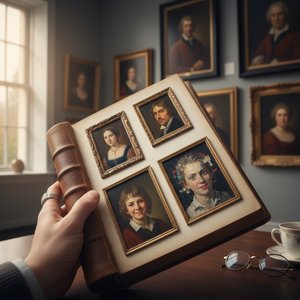
Master the nuances of portrait composition with our expert guide for collectors. Discover how light, gaze, and texture create emotional depth in fine art, from classical masterpieces to bespoke oil commissions.
 Esikatselu

 Jaa teos
 Jaa
 Tiedot
 Opas


 Lataa kuva
 Samanlaisia kohteita
 Röntgenkuvaus
 Diaesitys
 Kysymykset ja vastaukset

 Tilastot


 Lue lisää









 Lasivaihtoehto on saatavilla vain alle 110 cm kokoisille teoksille


