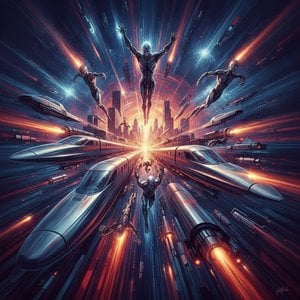
A Life Forged in Motion: The Revolutionary Vision of Umberto Boccioni
Umberto Boccioni, syntynyt Reggio Calabriaan vuonna 1882, oli italaisen futuristisen liikkeen keskeinen hahmo – voima, joka haastoi taiteelliset konventiot ja omaksui modernin maailman dynaamisuuden. Hänen elämänsä, vaikka katkesi ennenaikaisesti kolmenkympin ikää myöten, muistutti tätä intohimoista uskoa edistyksen, nopeuden ja kone-ajan lumoavaan energiaan. Boccionin varhaiset vuodet olivat merkittyjä jatkuviin muutoksiin hänen isänsä virkamiesuraan liittyen, mikä loi hänelle lapsuudesta lähtien vaeltavan sielun. Tämä nomadihenkinen elämä johtikin lopulta Roomaan, jossa hän aluksi opiskeli koriste-taidetta ennen kuin suuntautui maalaustyöhön, omaksuttaen vaikutteita Liberty-tyylin julisteiden taiteilijoilta. Kuitenkin hänen kohtaamisensa futurismilla, sytyttäen liekin Marinetti Tommaso Filipi kirjoituksissa, asetti hänen taiteellisen polkunsa lopullisesti.
Embracing the Whirlwind: The Rise of a Futurist
Vuosi 1910 osoittautui ratkaisevaksi Boccionin elämässä. Hän allekirjoitti *Manifesto dei Pittori Futuristi*, vahvistaen sitoutumisensa liikkeeseen, joka juhli teknologiaa, nopeutta ja jopa väkivaltaa moderniteetin symboleina. Tämä ei ollut pelkästään esteettinen valinta; se oli filosofinen kapinallisuus perinteitä vastaan, pyrkimys vangita maailmaa, joka kiihdyttää kohti epävarmaa tulevaisuutta. Boccioni nousi nopeasti futuristisen liikkeen keskeiseksi teoreetikoksi, laajentaen Marinettin alkuperäisiä lausuntoja ja soveltaen niitä visuaaliseen taiteeseen. Hän argumentoi täydellisestä erottelusta esittävästä tarkkuudesta, edistäen sen sijaan maalauksia, jotka välittivät ei vain *mitä* asiat näyttivät, vaan myös *miltä* ne tuntuivat liikkeessä—nopeuden tunne, muodon hajoaminen, kaupunkielämän ylivoimainen energia. Hänen varhaiset teoksensa, vaikka nekin vihjasivat Impressionismin ja Divisionismin vaikutteisiin, alkoivat osoittaa tätä kohoavaa intohimoa dynaamisuuden puolesta. Teokset kuten *The City Rises* (1910-1911) ovat valtavia mittasuhteissa ja kunnianhimoisia, kuvaillen modernin metropolin kaoottista rakennusprosessia—pyörteitä ihmisfiguureita, rakennuksia ja koneita, jotka heijastavat futuristisen ihanteen.
Deconstructing Reality: Technique and Themes
Boccionin taiteellinen kehitys oli merkittävää muutoshalua. Hän poikkesi perinteisistä perspektiivistä ja kompositiosta omaksuen fragmentaation keinona välittää liikettä ja energiaa. Esineet purettiin osiin, voimaviivat säteilevät ulospäin ja värit sekoittuivat pyöriviksi kuvioiksi—kaikki luomaan visuaalista värähdystä. Tämä dekonstruktio ei ollut pelkästään tyylillistä; se perustui Boccionin uskomukseen, että todellisuus itsessään oli virkavääristynyt ja jatkuvasti muuttuva. Hän pyrki esittämään ei vain asioiden staattisen ulkonäön, vaan niiden dynaamisen olemuksen. Tämä näkyy vahvasti teoksissa kuten *Dynamism of a Human Body* (1913), jossa hahmo kuvataan ei kiinteänä muodona, vaan fragmentoituneina muotoina, jotka viittaavat liikkeeseen tilassa. Ehkä hänen tunnetuin luomuksensa, *Unique Forms of Continuity in Space* (1913), ylittää maalauksen kokonaan—bronssiveistos, joka ilmentää futuristista ihannetta huumaavasti. Hahmo vaikuttaa olevan keskellä liikettä, sen raajat ja vartalo ovat piteneviä ja vääristyneitä, välittäen pysäyttämätöntä nopeutta.
Legacy and Lasting Impact
Boccionin varhainen kuolema vuonna 1916 ensimmäisen maailmansodan aikana vei taiteemaailman todella visionäärin. Kuitenkin hänen ideansa ja teoksensa resonoivat edelleen pitkään hänen kuolemistaan huolimatta. Hän vaikutti syvästi sekä myöhemmän futurististen taiteilijoiden että Constructivismin ja Abstraktio-expressionismin kaltaisten liikkeiden työhön. Hänen liikkeen, dynaamisuuden ja esineiden esittämisen tutkimuksensa tarjosi uusia taiteellisia muotoja, haastaen perinteiset kauneus- ja esitysterminologiat.
- Vaikutukset: Giacomo Balla’n divisionististen tekniikoiden vaikutus, Cubismin muodon fragmentointi sekä Marinetti Tommaso Filipi filosofiset kirjoitukset.
- Merkittävät teokset: *Dynamism of a Human Body*, *Unique Forms of Continuity in Space*, *The City Rises*, *Dynamism of a Cyclist*.
- Historiallinen merkitys: Boccioni oli 20-luvun keskeinen taiteellinen hahmo, joka haastoi taiteellisia konventioita ja muotoili modernin taiteen kulkua. Hänen teoriansa liikkeestä ja esineiden esittämisestä inspiroivat edelleen taiteilijoita.
Umberto Boccioni jää elämään voimakkaana symbolina taiteellisen innovaation puolesta—testamenttina omaksumiselle muutokselle ja perinteiden haastamiselle. Hän ei ollut pelkästään taiteilija; hän oli modernin maailman henki, joka vangitsi muutoshengen ja jätti jälkeensä perinnön, joka resonoituu edelleen taiteemaailmassa tänä päivänä.



 Esikatselu
 Vaihda tulosteeseen
 Jaa
Jaa Jaa
Jaa
 Tarkemmat tiedot

 Lataa
Lataa
 Samanlaisia
 Röntgenkuva
 Diaesitys
 Tilastot

 Näytä lisää






































 Lasivaihtoehto on saatavilla vain alle 110 cm kokoisina teoksina