


x

 Tilaa painos Osta kuva
 Jaa
Jaa
 Tarkemmat tiedot
 Lisää suosikkeihin
 Lataa
Lataa
 Samanlaisia
 Röntgenkuva
 Diaesitys
 1942
1942 53.0 x 3.0 cm
 Central Goldfields Art Gallery
Käsinmaalattu öljyväri kankaalle haluamassasi koossa ja kehyksissä, taiteilijoidemme valmistamana tilauksesta.
Valitse valmiista mitoistamme sellaiset, jotka vastaavat teoksen alkuperäisiä mittasuhteita.

Voit syöttää omat mitat sopimaan tiettyyn kehykseen tai tilaan. Jos valitsemasi koko ei vastaa alkuperäisen kuvan mittasuhteita, rajaamme taideteoksen tai jatkamme maalausta käsin maalatuilla elementeillä. Digitaalinen esikatselu lähetetään hyväksyttäväksi ennen tuotannon aloittamista.
Huomioithan, että näytöllä oleva esikatselu ei vastaa todellista rajausta tai jatkamista. Vain digitaalinen mallikuva näyttää lopullisen sommittelun tarkasti.
Vaikka mittatilaustyöt ovat mahdollisia, suosittelemme valitsemaan mitan ennalta määritetystä listasta alkuperäisten mittasuhteiden säilyttämiseksi.
Maailmanlaajuinen toimitus () 3–4 viikossa tavallisen 5 viikon sijaan. (21 heinäkuu). Laadusta ei tingitä.


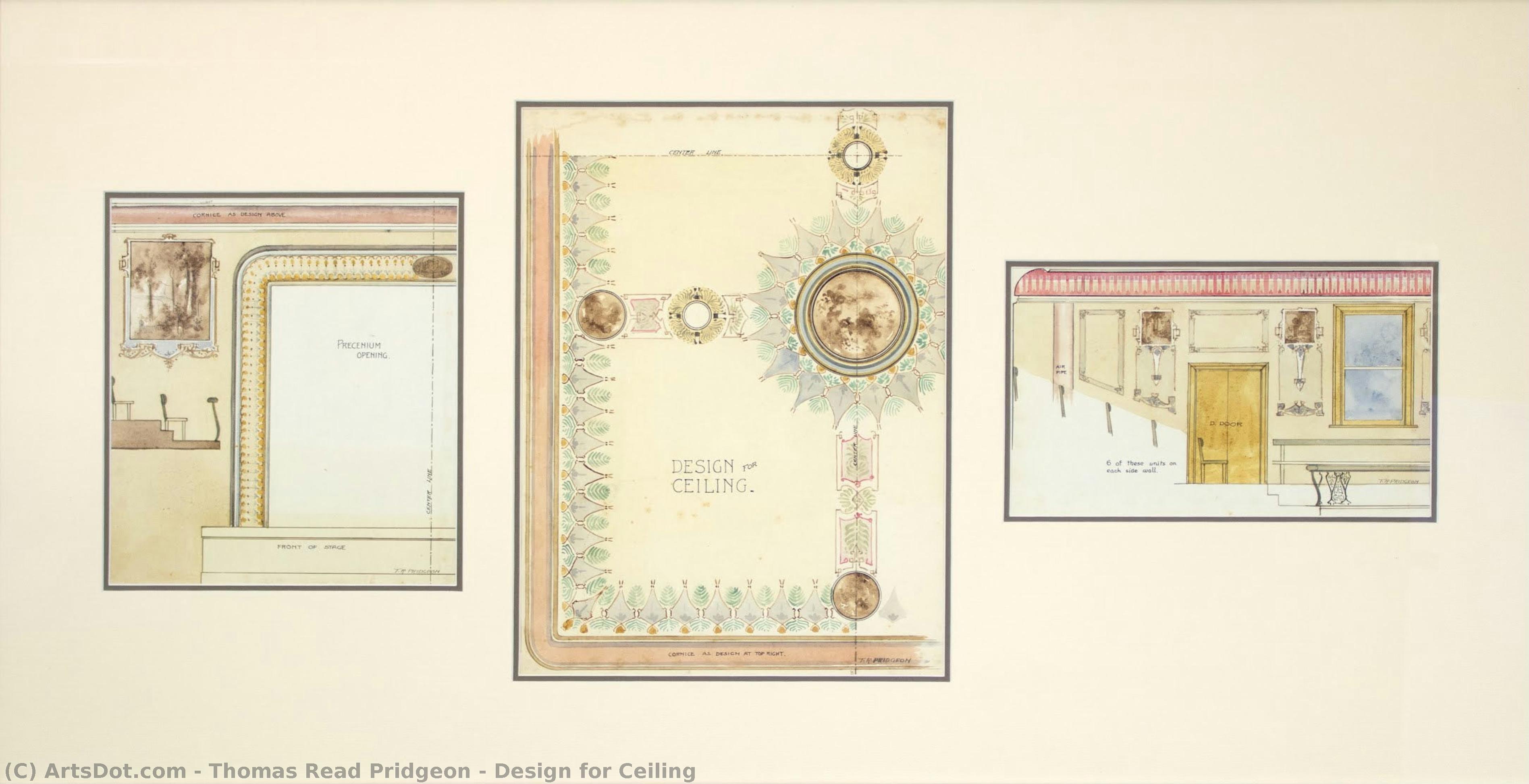
Design for Ceiling
Replikaatin koko
Thomas Read Pridgeon, born in Maryborough, Australia in 1893 and still living today, represents a fascinating corner of early 20th-century Australian art. Initially recognized primarily as a teacher at the Maryborough Technical College, Pridgeon’s artistic legacy remained largely hidden until a remarkable rediscovery in 2012 – a substantial cache of his paintings unearthed within the home of one of his sons following his passing. This event culminated in a significant exhibition at the Central Goldfields Art Gallery in Maryborough in 2014, bringing to light an artist whose evocative landscapes and quiet observations offer a unique window into the rural heartland of Victoria.
Pridgeon’s artistic journey began with studies at the Ballarat School of Mines. This institution, renowned for its practical approach to art education, instilled in him a strong foundation in technique while also encouraging an appreciation for depicting the natural world. Following his time in Ballarat, he transitioned to teaching at Maryborough Technical College, dedicating himself to nurturing the artistic talents of local students. While his professional life centered around instruction, Pridgeon’s passion for painting remained unwavering, and it was through this personal pursuit that he developed a distinctive style – one characterized by a sensitive observation of light, color, and the subtle details of the Australian landscape.
Pridgeon's work reveals a clear debt to the Impressionist movement, particularly the techniques employed by artists like J.M.W. Turner and Frederic Leighton. However, he adapted these influences to suit the unique qualities of the Australian environment. His paintings are not merely reproductions of scenery; they’re imbued with an atmospheric quality, capturing the fleeting effects of light and shadow on the rolling hills, waterways, and eucalyptus groves that define the region. He skillfully utilized loose brushstrokes and a vibrant palette – often dominated by earthy tones punctuated by bursts of color – to convey a sense of immediacy and emotional resonance. The ‘Untitled Landscape’ (1942), showcased in his 2014 exhibition, exemplifies this approach perfectly, presenting a serene riverbank scene rendered with an almost dreamlike quality.
The rediscovery of Pridgeon's extensive body of work was a truly remarkable event. The sheer volume of paintings – over two hundred works – revealed a sustained artistic practice spanning several decades. This collection offered a comprehensive overview of his stylistic evolution, demonstrating how he refined his technique and developed his unique visual language. The 2014 exhibition at the Central Goldfields Art Gallery served as a vital opportunity to introduce Pridgeon’s art to a wider audience, correcting a historical oversight and firmly establishing him as a significant figure in Victorian landscape painting. The exhibition highlighted not only his technical skill but also his ability to capture the spirit of rural Australia – its beauty, tranquility, and enduring connection to the land.
Beyond ‘Untitled Landscape,’ other notable works from Pridgeon’s oeuvre include “Design for Ceiling,” a decorative panel showcasing his talent for composition and color harmony, and “The School Porch,” which offers a charming glimpse into everyday life in rural Victoria. While Pridgeon's work may not be as widely celebrated as some of his contemporaries, its quiet beauty and understated emotional depth continue to resonate with viewers today. His rediscovery underscores the importance of preserving and celebrating the artistic heritage of regional Australia, reminding us that even within seemingly unassuming communities, remarkable talent can flourish – waiting patiently for its moment to shine.

1893 - , Australia


Pysy ajan tasalla uusimmista taideuutisista, eksklusiivisista tarjouksista ja sisustusideoista.
Kerro meille projektistasi, niin taideasiantuntijamme tarjoavat sinulle kolme henkilökohtaista taidesuositusta.
Anna meidän kuratoida 3 vaihtoehtoa juuri sinulle – Ilmaiseksi!
 Jaa
Jaa

 Näytä lisää




































 Lasivaihtoehto on saatavilla vain alle 110 cm kokoisina teoksina


