


Käsinmaalattu öljyväri kankaalle haluamassasi koossa ja kehyksissä, taiteilijoidemme valmistamana tilauksesta. ( Osta printti Osta kuva)
Valitse valmiista mitoistamme sellaiset, jotka vastaavat teoksen alkuperäisiä mittasuhteita.

Voit syöttää omat mitat sopimaan tiettyyn kehykseen tai tilaan. Jos valitsemasi koko ei vastaa alkuperäisen kuvan mittasuhteita, rajaamme taideteoksen tai jatkamme maalausta käsin maalatuilla elementeillä. Digitaalinen esikatselu lähetetään hyväksyttäväksi ennen tuotannon aloittamista.
Huomioithan, että näytöllä oleva esikatselu ei vastaa todellista rajausta tai jatkamista. Vain digitaalinen mallikuva näyttää lopullisen sommittelun tarkasti.
Vaikka mittatilaustyöt ovat mahdollisia, suosittelemme valitsemaan mitan ennalta määritetystä listasta alkuperäisten mittasuhteiden säilyttämiseksi.
Maailmanlaajuinen toimitus () 3–4 viikossa tavallisen 5 viikon sijaan. (6 syyskuu). Laadusta ei tingitä.


Genki ball
Replikaatin koko
Takashi Murakami's “Genki Ball,” created in 2001, stands as a quintessential emblem of his groundbreaking Superflat style—a movement that irrevocably altered the landscape of contemporary art. More than just an image; it’s a carefully constructed dialogue between Japanese tradition and pop culture sensibilities, inviting viewers into a world brimming with playful optimism and stylized beauty.
At its core lies a captivating juxtaposition: a colossal spherical figure dominates the composition, radiating serene contentment through exaggerated facial features. Above this central presence floats another sphere adorned with an explosion of blossoms—a visual shorthand for rebirth and flourishing. The vine-like structure extending from the lower left corner isn’t merely decorative; it embodies dynamism and interconnectedness, mirroring Murakami's fascination with organic forms alongside geometric precision.
Murakami skillfully balances visual elements through a thoughtfully considered arrangement. The slightly off-center positioning of the large sphere contributes to an informal elegance, preventing rigidity while maintaining compositional stability. The color palette is deliberately vibrant—pastel hues dominate alongside bolder accents within the floral blossoms—creating a harmonious contrast that stimulates the eye and evokes feelings of joy. This careful orchestration reflects Murakami’s desire to transcend conventional artistic boundaries.
“Genki Ball” exemplifies Murakami's meticulous technique, achieved through precise line work—a hallmark of Nihonga tradition—combined with flat color application. The artist employs acrylic paints on a panel, skillfully layering shapes to generate depth and texture despite the overarching flatness characteristic of Superflat. Detailed rendering of the flowers underscores Murakami’s dedication to capturing subtle nuances and conveying emotion through visual representation.
Beyond its aesthetic appeal, “Genki Ball” resonates with profound symbolic meaning. The oversized figure embodies serenity and contentment—a deliberate departure from Western artistic conventions—while the blossoms symbolize renewal and vitality. Murakami’s work speaks to themes of innocence, harmony, and the transformative power of imagination. It's a piece that encourages contemplation on beauty, simplicity, and the enduring spirit of Japanese art.
“Genki Ball” emerged during Murakami’s pivotal exploration of Nihonga—a reaction against its perceived limitations—and solidified his embrace of Superflat aesthetics. Influenced by artists like Picasso and Braque, Murakami pushed the boundaries of artistic expression, blending traditional techniques with contemporary visual language. This innovative approach established him as a leading voice in global art discourse and continues to inspire artists worldwide.


1962 - , Japani
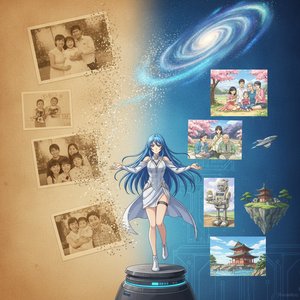
Step into the spotlight with WahooArt's AI-driven transformation. Turn your photos into stunning, hand-painted anime oil masterpieces. Experience the perfect fusion of cutting-edge technology and museum-grade craftsmanship to create a timeless pop-culture legacy for your home.
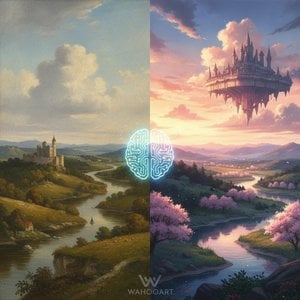
Transform your photos into high-octane action anime masterpieces with WahooArt. Our expert artists blend AI innovation with traditional oil painting to create premium, hand-painted pop culture legacies for your home. Experience museum-quality craftsmanship and a 100% satisfaction guarantee.

Explore the profound beauty of Japanese Ukiyo-e art. Discover the legacy of Hokusai and the Utagawa school through an expert exploration of Edo-period aesthetics, seasonal motifs, and the enduring global influence of Japan's 'Floating World' on fine art history.

Explore the profound beauty of Japanese landscape painting. From Hokusai's iconic vistas to Zen-inspired compositions, discover the spiritual depth and historical mastery of Ukiyo-e art in this expert cultural retrospective.

 Esikatselu
 Jaa
Jaa Jaa
Jaa
 Tarkemmat tiedot

 Lataa
Lataa
 Samanlaisia
 Röntgenkuva
 Diaesitys
 Näytä lisää




































 Lasivaihtoehto on saatavilla vain alle 110 cm kokoisina teoksina


