


Käsinmaalattu öljyväri kankaalle haluamassasi koossa ja kehyksissä, taiteilijoidemme valmistamana tilauksesta. ( Osta printti Osta kuva)





























Valitse valmiista mitoistamme sellaiset, jotka vastaavat teoksen alkuperäisiä mittasuhteita.

Voit syöttää omat mitat sopimaan tiettyyn kehykseen tai tilaan. Jos valitsemasi koko ei vastaa alkuperäisen kuvan mittasuhteita, rajaamme taideteoksen tai jatkamme maalausta käsin maalatuilla elementeillä. Digitaalinen esikatselu lähetetään hyväksyttäväksi ennen tuotannon aloittamista.
Huomioithan, että näytöllä oleva esikatselu ei vastaa todellista rajausta tai jatkamista. Vain digitaalinen mallikuva näyttää lopullisen sommittelun tarkasti.
Vaikka mittatilaustyöt ovat mahdollisia, suosittelemme valitsemaan mitan ennalta määritetystä listasta alkuperäisten mittasuhteiden säilyttämiseksi.
Maailmanlaajuinen toimitus () 3–4 viikossa tavallisen 5 viikon sijaan. (7 syyskuu). Laadusta ei tingitä.


Actor with Flute
Replikaatin koko
To gaze upon this depiction of an actor playing the flute is to step into a moment suspended between breath and note. It is not merely a portrait, but a meditation on artistry itself. Executed in the profound tradition of Sumi-e, or Japanese ink painting, the work captures the quiet dignity inherent in skilled performance. The composition centers entirely upon the figure, whose posture suggests both deep concentration and effortless grace. The artist has masterfully employed the stark elegance of black ink against a muted, almost ethereal beige ground. This restraint is key; it forces the viewer to look beyond mere representation and into the very essence of the subject’s spirit.
The technical brilliance here lies in the handling of the ink wash. Unlike works that rely on sharp outlines or vibrant pigments, this piece achieves its depth through varying densities of sumi. The artist builds tone not with color, but with shadow and gradation—a subtle interplay of washes that suggests texture in the drapery and musculature without ever becoming overly literal. This characteristic flatness, typical of classical Japanese art, deliberately flattens space to elevate the subject’s presence above any concern for realistic perspective. It is a celebration of line economy; every brushstroke feels deliberate, carrying the weight of tradition while maintaining an air of immediate intimacy.
The choice of subject—an artist at his craft—is deeply resonant within Japanese cultural history. The flute itself acts as a potent symbol, representing not just musical skill, but also the disciplined pursuit of beauty and emotional expression. For collectors and designers alike, this piece offers more than mere decoration; it is an artifact imbued with cultural narrative. It speaks to the value placed on refined arts, the quiet moments of contemplation that follow intense creation. The overall feeling evoked is one of serene contemplation, a visual balm for the modern, hurried sensibility.
While the style harks back to profound artistic lineages, the period context suggests an echo of the refined tastes prevalent during the 18th century. The minimalism inherent in Sumi-e aligns perfectly with aesthetics that prize simplicity and elegance over opulent display. For those curating a space—be it a gallery wall or a private sanctuary—this reproduction offers an unparalleled depth. It whispers tales of master craftsmanship, inviting the viewer to slow their pace, listen for the imagined melody, and appreciate the enduring power of art distilled to its most essential elements.


1725 - 1770 , Japani

Embark on a journey through the 'Floating World' with our expert guide to Ukiyo-e. Discover the profound history, legendary masters like Hokusai and Harunobu, and the enduring influence of Japanese woodblock prints on global art history.

Explore the ephemeral beauty of Japanese Ukiyo-e art. From the dynamic warriors of Kuniyoshi to serene landscapes, discover the profound history, masterful techniques, and global influence of these iconic woodblock prints in our deep cultural retrospective.
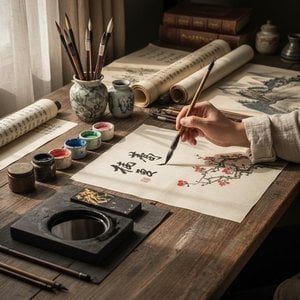
Embark on a sophisticated exploration of ink wash painting and Sumi-e. Uncover the profound historical lineages, Zen philosophies, and technical mastery behind this timeless medium in our authoritative guide for fine art enthusiasts.

Explore the profound beauty of Japanese Ukiyo-e art. Discover the legacy of Hokusai and the Utagawa school through an expert exploration of Edo-period aesthetics, seasonal motifs, and the enduring global influence of Japan's 'Floating World' on fine art history.

Embark on a visual journey through the ephemeral beauty of Ukiyo-e. Discover the masters of the floating world, from dynamic warriors to Kabuki legends, and explore the profound cultural legacy of Japanese woodblock printing in this expert guide for art enthusiasts.

 Esikatselu
 Jaa
Jaa Jaa
Jaa
 Tarkemmat tiedot

 Lataa
Lataa
 Samanlaisia
 Röntgenkuva
 Diaesitys


 Näytä lisää







 Lasivaihtoehto on saatavilla vain alle 110 cm kokoisina teoksina


