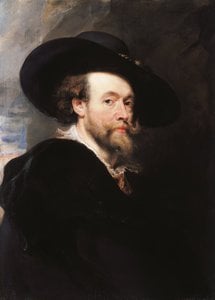
Sir Peter Paul Rubens: Barokin mestari!
Sir Peter Paul Rubens, nimi joka resonoituu barokin dynaamisuuden ytimessä, oli paljon enemmän kuin pelkästään maalaaja. Hän oli diplomaatti, tutkija ja kulttuuriarkkitehti, joka muutti radikaalisti 1600-luvun Euroopan taiteellista maisemaa. Syntynyt Siegenissä, Saksassa vuonna 1577, hänen varhaisensa elämänsä oli merkitty paikkaanmuuttoihin – muotoutava kokemus, joka heijastui hienovaraisesti myöhemmässä teoksessaan dramaattisuuden ja tunteellisen syvyyden kautta. Hänen isänsä, Jan Rubens, lakimies pakolaisena uskonnollisesta vainosta, siirsi perheensä alkuperäisestä Antwerpenistä, Espanjan alaisuudessa, ja asettui Kölniin lapsuuden ajaksi. Tämä varhainen maanpakola antoi Peter Paulille resilienssin ja sopeutumiskyvyn tunteen, ominaisuudet jotka palvelevat häntä monipuolisessa urassaan. Isänsi kuoleman jälkeen vuonna 1587 perhe palasi Antwerpeniin, jossa hän sai humanistisen koulutuksen ennen taiteellisen harjoittelunsa aloittamista noin vuonna 1590, oppien Tobias Verhaechtistä ja Adam van Noortista, hioen perustaitoja piirustuksessa ja maalaustekniikoissa. Kuitenkin Otto van Veenin kanssa vietetty aika osoittautui ratkaisevaksi, esittelemällä hänelle rikkaita italialaisen renessanssitaiteen perinteitä – maailmaa, johon hän pian omaksui kokonaan.
Italian Herääminen ja Taiteellinen Synteesi
Vuonna 1600 Rubens lähti muuttavan matkan Italiaan, pyhiinvaellus, joka muutti hänen taiteellista näkemystään peruuttamattomasti. Kahdeksan vuotta hän uppoutui Michelangelo’n, Rafaelin ja Titiuksen mestariteoksien maailmaan, imiten heidän taitonsa muotojen, värien ja komposiitien hallintaa. Näiden renessanssin jumaloiden vaikutus näkyy hänen varhaisissa italialaisissa teoksissaan, jotka ovat tunnusomaisia klassisten teemojen ja idealisoitujen hahmojen suhteen. Rubens ei kuitenkaan pelkästään kopioinut; hän synteesoi nämä vaikutteet omiin lahjoihinsa, kehittäen oman tyylinsä, joka on merkittävää väreiltään, dynaamiselta komposiitiltaan ja ihmisen kehon aistilliselta kuvaukseltaan. Hän opiskeli anatomiata huolellisesti, mikä johti hahmoihin, jotka olivat fyysisesti realistisia ja tunteellisesti voimakkaita – täynnä elämää ja liikettä olevia vartaloita. Tämä aika ei ollut pelkästään taiteellista kehitystä; se oli syvällinen filosofinen herääminen, joka edisti klassisen mytologian ja kirjallisuuden arvostusta, jotka muuttuivat toistuviksi teemoiksi hänen tuotoksissaan.
Monien Muotojen Mestari: Maalaaminen Rajojen Ulkopuolella
Rubensin taiteellinen tuotanto oli uskomattoman monipuolista ja vilkasta. Hän ei rajoittanut itseään yhteen genreen; pikemminkin hän loisti historia maalauksissa, myyttisissä kohtauksissa, muotokuvissa, maisemissa ja uskonnollisissa teoksissa – todisteena hänen monipuolisuudestaan ja loputtomasta luovuudestaan. Suuret hänen maalaamansa kannukset, usein tarkoitettu kirkoille, palatseleille ja julkisille tiloille, olivat upeita teknisen taitonsa ja draaman esityksen osoituksia.
Kristuksen laskeutuminen ristiltä (1612–1614) on erinomainen esimerkki hänen mestarillisuudestaan valon ja varjon käytössä luodakseen syvän tunteellisen vaikutelman.
Madonna ja Pyhä Mikael (c. 1607-1608) tuo esiin Jumalan armoa ja täyden värimaailman mestarillisesti suunnitellulla komposiitilla ja dramaattisella valolla. Hän hallitsi myös öljyvärejä, käyttäen impasto-tekniikkaa luodakseen tekstuuria ja syvyyttä sekä hienovaraisia lasiteknikoita saavuttaakseen hehkuvia vaikutuksia. Rubens käytti usein allegorisia hahmoja ja symbolista kieltä, kerroksittaen merkityksiä ja kannustaakseen pohdintaa ja tulkintaa.
Diplomaattinen Toiminta, Perinnön Jättö ja Kestävä Vaikutus
Rubensin vaikutus ulottui taiteen rajojen ulkopuolelle. Diplomatiaosaamisensa oli arvokasta Etelä-Nederlandien (nykyaikainen Belgia) suhteen, ja hän suoritti useita tehtäviä Englannissa ja Ranskassa, neuvotellen liittoumia ja edistäen poliittisia yhteyksiä – ainutlaatuinen kaksoisrooli, joka antoi hänelle hienostuneen näkökulman eurooppalaiseen politiikkaan ja vahvisti hänen asemaansa älykkäänä ja vaikutusvaltaisena miehenä. Vuonna 1622 hänet lähetettiin Pariisiin Maria de Medicin, Espanjan kuningattaren, palvelukseen, jossa hän joutui nopeasti hallitsemaan uusia taitoja – poliittista manööveriä. Kardinaali Richelieu vihasi häntä, Maria oli arvaamaton ja projekti lopetettiin lopulta puolet kesken kun Maria karkotettiin Pariisista. Mutta Rubens toi silti kotiin komission. Vuonna 1625 Antwerpen kärsi ruttoepidemiasta. Rubens muutti perheensä Brysseliin, missä hänen vaimonsa sairastui ja kuoli, todennäköisesti ruttoon. Yleensä mies, joka ylpeili stoikisuudestaan, oli järkyttynyt "sen rakkaan" menettämisestä. Hän uppoutui diplomaattiseen työhön häviönsä kompensoimiseksi. Useiden kuukausien ajan hän matkusti Englantiin ja työskenteli kuningas Charles I:n palveluksessa. Molemmissa maissa, Ranskassa ja Englannissa, Rubens saapui taiteilijana ja lähti diplomaatiksi. Hän neuvotteli liittoumia Isabella Clara Eugeniasta, Etelä-Nederlandien hallitsijasta. Vastineeksi Isabella myönsi kunniatittelun hänen uskollisen maalariensa keskuuteen, ja taiteilija nousi arvostetuksi mieheksi.
Keskeisiä Ominaisuuksia Rubensin Tyylille
- Dynaaminen Kompositiot: Rubensin maalaukset ovat tunnettuja energisistä ja draattisista hahmojen asetteluista.
- Elävä Väripaletti: Hän käytti rikkaita, lämpimiä värejä, jotka elävöittivät hänen kankaitaan.
- Aistilliset Hahmot: Hänen ihmishahmojensa kuvauksissa oli täydellisyyttä, elinvoimaa ja usein selkeää aistillisuutta.
- Taitava Valon ja Varjon Käyttö: Rubens hallitsi valoa ja varjoa mestarillisesti luodakseen syvyyttä, draamaa ja tunteellista vaikutusta.
- Allegorinen Symbolismi: Hänen teoksissaan käytettiin usein allegorisia hahmoja ja symbolista kieltä, lisäämällä kerroksia merkityksiä ja monimutkaisuutta.



 Esikatselu
 Vaihda tulosteeseen
 Jaa
Jaa Jaa
Jaa
 Tarkemmat tiedot

 Lataa
Lataa
 Samanlaisia
 Röntgenkuva
 Diaesitys
 Tilastot

 Näytä lisää