The Genesis of a Pop Visionary
Roy Fox Lichtenstein, syntynyt New Yorkin vilkkaassa metropolissa 27. lokakuuta 1923, muutti pysyvästi 2000-luvun taiteen maisemaa. Hän nousi keskeiseksi hahmoksi Pop Art -liikkeessä, eikä hän vain heijastanut omaa aikaansa; hän kyseenalaisti sitä aktiivisesti, muuttaen arkisia kuvia vakuuttaviksi taiteellisiksi lausuntoiksi. Hänen lapsuus New Yorkin varakkaassa juutalaisessa perheessä edusti kulttuurista tietoisuutta ja varhaista taiteellista taipumusta. Varhaiset kokemukset museoista ja konserteista, yhdistettynä syvään jazzmusiikin arvostukseen, loi luovan henkeen, joka haastaisi perinteisiä käsityksiä hienosta taiteesta. Aluksi hän oli kiinnostunut realistisesta piirtämisestä ja maalaamisesta muotoillessaan itseään, mutta Lichtensteinin virallinen koulutus alkoi Taideopiston (Art Students League) kautta vuonna 1939 Reginald Marshin ohjauksessa, jatkuen Ohio State Universityn opintojen kautta – keskeytettynä lyhyesti sodan aikaisena palveluksena armeijassa. Nämä kokemukset tarjosivat vahvan teknisen perustan, jota myöhemmin tulkittiin uudelleen massakulttuurin ja kaupallisten estetiikoiden läpi. Hänen tunnusomaisen tyylinsä siemenet eivät synnyttänyt hallowed hallien sisällä olevaan taiteelliseen traditioon, vaan pikemminkin arkisen kuvan maailmaan, erityisesti sarjakuvamaailmaan ja mainoksiin.
Abstraktio ja Appropriointi: Keskeinen Siirtymä
Lichtensteinin varhainen työ osoitti selvästi kiinnostusta Abstrakti ekspressionismiin, heijastaen post-sodan hallitsevia esteettisiä trendejä. Kuitenkin tämä vaihe osoittautui siirtymävaiheeksi, askel kohti hänen vallankumouksellista tyyliään. Tärkeä hetki syntyi Rutgers Universityn aikana, jossa hän kohtasi Allan Kaprow’n vaikutuksen, joka sytytti Lichtensteinin uudelleen kiinnostuksen proto-pop -kuviin. Tämä kohtaaminen johti kriittiseen muutokseen hänen taiteellisessa polullaanan, johtaa häntä kyseenalaistamaan perinteisiä rajoja "korkean" ja "matalan" taiteen välillä. Hän alkoi katsoa kauemmas subjektiivisesta ilmaisusta Abstraktissa ekspressionismissa kohti objektiivista kieltä – erityisesti sarjakuvamaailmaa ja mainontaa. Vuosi 1961 merkitsi käännekohtaa *Look Mickey* -teoksen myötä, joka omaksui hahmoja Disneyn sarjakuvista, merkiten hänen tunnusomaisen tyylinsä alkua. Tämä ei ollut pelkkää kopiointia; se oli taiteellinen uudelleenarviointi, nostaen arkisia kuvia hienon taiteen statukseen. Hän ei vain kopioinut sarjakuvia; hän jäljitti niitä huolellisesti kaupallisten tuotantoprosessien tekniikoita käyttäen, tarkoituksellisesti hämärtäen alkuperäisen taiteilijan käsityksen ja massatuotannon välistä rajaa. Tämä appropriointi ei ollut tarkoitettu juhlimaan kulutuskulttuuria sokeasti, vaan tutkimaan sen läpäisevää vaikutusta Yhdysvaltain yhteiskuntaan ja haastamaan perinteisiä taiteellisia hierarkioita.
Ben-Day Dotien ja Bold Linjojen Kieli
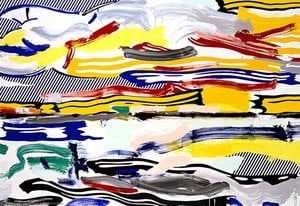
Lichtensteinin taiteellinen sanasto on heti tunnistettavissa: rohkeat, primääriset värit, paksuudet mustia viivoja ja ennen kaikkea Ben-Day dotit – tekniikka, joka on peräisin sarjakuvien mekaanisesta tuotannosta. Nämä pisteet eivät olleet vain koristeellisia; ne olivat keskeisiä hänen konseptuaalisessa kehityksessään, edustavat itse massatuotannon prosessia ja haastavat perinteisen painonpanon taiteilijan käden merkitystä. Hänen maalauksensa usein suurentivat sarjakuvien yksityiskohtia monumentaaliseen mittakaavaan, pakottaen katsojat kohtaamaan arkisten kuvien esteettiset laadut, jotka tavallisesti hylättiin triviaaleina. Teokset kuten *Whaam!* (1963), *Drowning Girl* (1963) ja *Oh, Jeff…I Love You, Too…But…* (1964) edustivat ikonisia Pop Art -teoksia, vangiten kulutuskulttuurin ahdingot ja toiveet. Nämä eivät olleet pelkkiä sarjakuvien kohtauksia; ne olivat kommentaareja teemoista sodasta, romanssista ja yhteiskunnallisista odotuksista, suodatettuina visuaalisen kielen kautta massamediaa. Hän pyrki poistamaan kaiken esiintymisen taiteellisen subjektiivisuuden, esittäen työnsä objektiivisina heijastuksina Yhdysvaltain yhteiskunnasta – peilaten sitä itseään tuotetun todellisuutensa kautta. Tarkoituksellinen tasaisuus ja maalaustekniikan puute korostivat tätä irtautumista entisestään, jäljittelemällä kaupallisen tuotannon epäsosiaalista luonnetta.
Perintö ja Kestävä Vaikutus
Roy Lichtensteinin vaikutus ulottuu taiteen alueen ulkopuolelle. Hänen innovatiivinen kaupallisten tekniikoiden appropriointinsa loi uusia polkuja uusille taiteilijoille, jotka tutkivat teemoja kulutuskulttuurista, median ylikuormituksesta ja kulttuillisesta identiteetistä. Hänen työnsä myynti *Masterpiece* -teokselle vuonna 2017 hintaan 165 miljoonaa dollaria vahvisti hänen asemaansa yhdeksi menestyneimmistä amerikkalaisista taiteilijoista kautta aikojen, mutta hänen perintönsä ei ole määritelty pelkästään rahamäärillä. Hän haastoi perinteiset käsitykset taiteellisen tekijyyden ja aitouden merkityksestä, pakottaen uudelleenarvioimaan sitä, mitä "taide" itsessään on. Hänen työnsä inspiroi edelleen graafisia suunnittelijoita, kuvittajia ja visuaalisia taiteilijoita eri aloilla.
- Tärkeimmät saavutukset: Pioneeri Pop Art -tyylissä; saavutti kansainvälistä tunnustusta uraauurtavien näyttelyiden kautta.
- Tunnetut teokset: *Whaam!*, *Drowning Girl*, *Oh, Jeff…I Love You, Too…But…*, *Masterpiece*.
- Opettajanura: Vaikutti tulevia taiteilijoita SUNY Oswegonissa ja Rutgers Universityssa.
Lichtenstein kuoli syyskuun 29. päivänä vuonna 1997, jättäen jälkeensä teoksen, joka on yhtä ajankohtainen ja provosoiva kuin se oli Pop Art -liikkeen huippuaikoina. Hänen taiteensa toimii voimakkaana muistutuksena massmedian läpäisevästä vaikutuksesta ja kyvystään muokata käsityksiämme todellisuudesta. Hän ei vain heijastanut omaa aikaansa; hän haastoi sitä aktiivisesti, jättäen pysyvän jäljen 2000-luvun taiteen historiaan ja inspiroimassa edelleen kriittistä keskustelua taiteen, kulttuurin ja kaupan välisestä suhteesta.



 Esikatselu
 Switch to Print
 Jaa
Jaa Jaa
Jaa
 Tarkemmat tiedot

 Lataa
Lataa
 Samanlaisia
 Röntgenkuva
 Diaesitys
 Stats
Stats

 Näytä lisää






































 Lasivaihtoehto on saatavilla vain alle 110 cm kokoisina teoksina