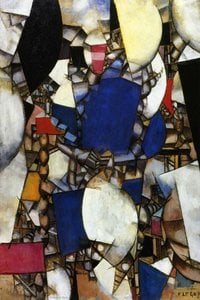
Tällä sivulla esitettyä taideteosta suojaa tekijänoikeuslaki, mikä tarkoittaa, ettemme voi laillisesti luoda tai myydä täsmälleen samanlaista jäljennöstä. Tämä suoja toteutetaan kansainvälisten sopimusten, kuten esimerkiksi Berne-konventio ja kansallisilla laeilla, mukaan lukien niillä määritellyt Yhdysvaltain tekijänoikeuslaki – Luku 17. Kaikki oikeudet pidätetään. Luvaton kopiointi tai jäljittely on kielletty.
Tämä menetelmä noudattaa täysin tekijänoikeussäännöksiä, sillä se ei sisällä suojatun taideteoksen kopioimista tai jäljentämistä. Sen sijaan kyseessä on luova uudelleentulkinta – uusi maalaus, joka ammentaa vaikutteita alkuperäisestä, mutta ei ole sen identtinen kopio.
Museolaatuisia giclée- tai kankaitaulun tulosteita nopealla tuotannolla ja joustavilla viimeistelyvaihtoehdoilla. ( Osta käsinmaalattu taideteos Siirry digitaaliseen kuvaan)





























Valitse valmiista mitoistamme sellaiset, jotka vastaavat teoksen alkuperäisiä mittasuhteita.

Syötä tarvitsemasi leveys ja korkeus, jotta tuloste sopii kehyksiisi tai seinällesi. Tulostetta voidaan vain leikata, sitä ei voida koskaan suurentaa alkuperäistä kuvaa suuremmaksi, joten eri muotoinen koko aiheuttaa osan kuvasta katoamisen. Lähetämme sinulle digitaalisen mallikuvan hyväksyttäväksi ennen kuin aloitamme tulostuksen. Tällä sivulla näkyvä kuva ei näytä lopullista rajausta — vain mallikuva näyttää sen.
Maailmanlaajuinen toimitus () 2 viikossa tavallisen 4–5 viikon sijaan. (10 marraskuu)
Melita
Replikaatin koko
In the soft, evocative depths of Ronald Ossory Dunlop’s 1931 masterpiece, Melita, we encounter a scene that transcends mere portraiture to become an intimate study of the human soul. The painting presents a woman with dark, cascading hair, her gaze cast downward in a gesture of profound introspection. Draped in a rich, sapphire-blue dress that anchors the composition, she exists in a space of quietude, seemingly lost in a private reverie. There is a palpable sense of stillness within the frame, as if the viewer has stumbled upon a fleeting, sacred moment of thought. This downward tilt of the head and the subtle shadows playing across her features invite us to wonder about the nature of her reflections—is it melancholy, or perhaps a peaceful acceptance of the world around her?
The technique employed by Dunlop is a testament to his mastery of the alla prima method, a style characterized by the application of paint in a single, fluid session. This approach lends Melita a remarkable vitality; the brushwork feels spontaneous yet controlled, allowing the textures of the fabric and the softness of the skin to emerge with lifelike presence. The interplay of light and shadow—the chiaroscuro effect—creates a sense of three-dimensional volume, pulling the subject forward from the canvas. For collectors and interior designers, this painterly texture offers a sophisticated tactile quality that brings a sense of movement and life to any curated space.
To understand the emotional resonance of Melita, one must look toward the rich cultural tapestry from which Ronald Ossory Dunlop emerged. Born in Dublin in 1894, Dunlop was raised amidst the vibrant currents of the Irish Literary Renaissance. His upbringing, surrounded by the mystical and spiritualist influences of figures such as W.B. Yeats, infused his work with a subtle, poetic depth. While his training took him from the Manchester School of Art to the studios of Paris, his aesthetic remained deeply rooted in this atmospheric, soulful tradition. In Melita, we see this confluence of international technique and Irish sensibility—a portrait that is as much about an internal landscape as it is about the external subject.
For those seeking to adorn a home or gallery with a piece of historical significance, this work serves as a bridge to the early 20th century. The painting does not merely decorate a wall; it commands attention through its emotional gravity and classical elegance. Whether placed in a sunlit study or a moody, dimly lit library, a high-quality reproduction of Melita acts as a focal point of sophistication, offering an enduring sense of grace and a timeless connection to the golden age of portraiture.
Ronald Ossory Dunlop käytti teoksessa "Melita" Oil On Canvas-tekniikkaa. Tekniikka määrittelee alkuperäisen teoksen materiaalisen luonteen.
Teoksen "Melita" tekijänoikeustilanne (on edelleen tekijänoikeuden alainen) määräytyy taiteilijan kuolinvuoden 1973 perusteella.
Ei - teos sijaitsee ulkomailla. Ronald Ossory Dunlop on syntynyt maassa Irlanti, ja teoksen "Melita" alkuperäiskappaleen säilyttävä museo sijaitsee maassa Yhdistynyt kuningaskunta.


1894 - 1973 , Irlanti

Explore the profound secrets of classical oil painting. From the delicate mastery of glazing to the dramatic depth of chiaroscuro, discover the timeless techniques used by Old Masters to create enduring, museum-quality masterpieces that capture light and emotion.

Discover the profound allure of oil on canvas. Explore the mastery of impasto textures, the science of pigment longevity, and expert guides to selecting museum-quality reproductions that elevate your collection with timeless elegance and tactile depth.

Discover the enduring allure of oil on canvas. Explore how master techniques like impasto and glazing create the depth, texture, and emotional resonance found in the world's greatest masterpieces. An essential guide for fine art enthusiasts and discerning collectors.
 Esikatselu
 Jaa teos
 Jaa
Jaa
 Tiedot
 Opas
Opas

 Lataa kuva
 Samanlaisia kohteita
 Röntgenkuvaus
 Diaesitys
 Kysymykset ja vastaukset
 Tilastot


 Lue lisää









 Lasivaihtoehto on saatavilla vain alle 110 cm kokoisille teoksille