Esikatselu Esikatsele AR-tilassa Vaihda tulosteeseen Osta käsinmaalattu taideteos Jaa teos
Tiedot Opas Lisää suosikkeihin Lataa kuva Samanlaisia kohteita Röntgenkuvaus Diaesitys Tilastot

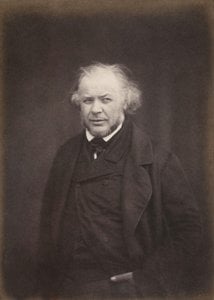
Autoportrait

Discover Philippe-Auguste Jeanron, a 19th-century French painter & Louvre director. Explore his realist genre scenes depicting everyday life and republican ideals.

Saat tulostusvalmiin tiedoston, jonka laatu ylittää verkkonäkymän huomattavasti. Jokainen myymämme digitaalinen kuva on peräisin arkistomme korkearesoluutioisesta mestariteoksesta — yleensä 5 000–15 000 pikselin levyisenä — joten voit tulostaa suuria kokoja, rajata tiukasti tai toistaa hienovaraiset yksityiskohdat luottavaisin mielin.

Mikään tiedosto ei lähde studiostamme muuttamatta. Digitaalinen asiantuntija vertaa värejä alkuperäiseen maalaukseen ja korjaa niitä tarvittaessa, minkä jälkeen hän parantaa kuvan selkeyttä ja yksityiskohtia ammattimaisilla retusointityökaluilla — säilyttäen aina uskollisena taiteilijan siveltimenjäljen ja tyylin. Lopputuloksena on kuva, joka näyttää maalauselta, eikä suodatetulta skannaukselta.

Hyväksyt työn ennen valmistumistaan: asiantuntijamme lähettää kuvan tarkistettavaksi sähköpostitse 72 tunnin kuluessa. Etkö ole tyytyväinen? Pyydä parannuksia tai korjauksia, tai pyydä hyvitystä, mikäli laatu ei vastaa odotuksia.

Tämä on laatua, johon kustantamot, design-studiot, galleriat ja painotalot luottavat.

Digitaalinen kuva

Lataa korkearesoluutioinen tiedosto henkilökohtaiseen näyttelyyn, tulostamiseen ja luoviin projekteihin. ( Vaihda tulosteeseen Osta käsinmaalattu taideteos)

Kokonaishinta

€ 21,90

Sisältyy jokaiseen digitaalisen kuvan tilaukseen

Asiantunteva digitaalinen toimitus, laatu taattu

Kun valitset WahooArt.com-palvelun, et saa vain kuvaa – saat ammattimaisesti viimeistellyn digitaalisen taideteoksen, joka on luotu tarkkuudella ja jonka takaa tulee tyytyväisyystakuu. Tässä on kaikki, mitä tilauksesi sisältää, automaattisesti:

Nopea sähköpostitoimitus

Saat korkearesoluutioisen digitaalisen kuvatiedostosi sähköpostiisi 72 tunnin kuluessa tilauksesta – valmiina käytettäväksi välittömästi.

Tekoälyllä parannettu digitaalinen tiedosto

Teoksesi on optimoitu ammattimaisesti edistyneiden tekoälytyökalujen ja manuaalisen jälkikäsittelyn avulla, mikä takaa maksimaalisen yksityiskohtaisuuden, selkeyden ja väritarkkuuden.

Ilmainen uudelleenlähetys elinikäisesti

Oletko vahingossa poistanut tai kadottanut tiedostosi? Ei hätää – lähetämme sen sinulle uudelleen milloin tahansa täysin maksutta.

Ei tuontimaksuja – koskaan

Nauti taiteestasi välittömästi ilman tullimaksuja, veroja tai toimituskuluja – digitaaliset lataukset ovat aina verovapaita.

Värintoiston tarkkuustakuu

Varmistamme, että digitaalinen kuvasi vastaa alkuperäisiä värejä mahdollisimman tarkasti käyttämällä ammattilaistason työkaluja ja värinhallintaa.

100 päivän tyytyväisyystakuu

Jos et ole tyytyväinen digitaaliseen kuvaasi, muokkaamme sitä tai palautamme 100% hinnan 100 päivän kuluessa – kysymystä ei esitetä.

100% Rahat takaisin -takuu

Et ole tyytyväinen? Saat täyden hyvityksen 100 päivän kuluessa digitaalisen tiedostosi vastaanottamisesta – kysymystä ei esitetä.

Määräalennukset

Osta 3 kuvaa, säästä 10% - Osta 5, säästä 15% - Osta 10+, säästä 20%. Erinomainen valinta luoviin projekteihin, gallerioille ja toimistoille.


Taiteilijan esittely

A Revolutionary Spirit on Canvas: The Life and Art of Philippe-Auguste Jeanron

Born in 1809 amidst the echoes of revolution, Philippe-Auguste Jeanron was a painter whose life and work were deeply intertwined with the political and social currents of 19th-century France. His origins themselves spoke to a lineage steeped in republican ideals; his grandfather had actively participated in the storming of the Bastille, instilling within the family a fervent belief in liberty and equality. This heritage profoundly shaped Jeanron’s artistic vision, guiding him toward a path that blended aesthetic skill with unwavering political conviction. He received his initial training under Xavier Sigalon, honing his skills in drawing and painting while simultaneously immersing himself in the intellectual ferment of Parisian society. His time at the Bourbon college brought him into contact with republican activists—including those associated with Philippe Buonarroti—further solidifying his commitment to progressive causes. Early artistic endeavors included meticulous study; he spent considerable time copying Veronese’s monumental “The Wedding at Cana” within the hallowed halls of the Louvre, and furthered his education at the Swiss Academy, laying a foundation for his future explorations in both style and subject matter.

From Rural Landscapes to Social Commentary

Jeanron's early career saw him fulfilling commissions for Parisian churches—Saint-Vincent-de-Paul and Saint-Louis-en-l'Ile among them—but it was the landscapes inspired by the Barbizon school that truly began to define his artistic voice. These works, imbued with a naturalistic sensibility, captured the beauty of the French countryside, foreshadowing his later focus on depicting the lives of those who inhabited it. However, Jeanron’s art wasn't merely about aesthetic representation; it was increasingly driven by his republican beliefs. He began to shift toward genre painting, portraying everyday life and social issues with a realism that challenged conventional artistic norms. His canvases became windows into the struggles and experiences of common people—the laborers, peasants, and ordinary citizens who formed the backbone of French society. This commitment to representing the lives of the marginalized set him apart from many of his contemporaries, establishing him as a precursor to the more overt social realism that would emerge later in the century. He wasn’t simply painting what he saw; he was making a statement about *who* deserved to be seen and remembered.

A Director's Vision: Democratizing the Louvre

The year 1848 marked a turning point, not only for France but also for Jeanron’s career. Following the February Revolution, he was appointed head of National Museums and Director of the Louvre—a position that allowed him to translate his ideals into tangible institutional change. He approached this role with a radical vision: to democratize access to art and culture. He prioritized the preservation and classification of the museum's vast collections, improving storage conditions and implementing innovative methods for their arrangement. Crucially, he championed the inclusion of workers in museum projects, believing that all members of society should have a stake in its cultural heritage. Jeanron actively sought to broaden the Louvre’s appeal by showcasing works by artists like Chardin and the Le Nain brothers—painters whose subjects resonated with the lives of ordinary people. He also provided support for contemporary artists such as Charles Jacque and Jean-François Millet, recognizing their potential to capture the spirit of the age. He clearly delineated the roles of the Louvre and the Musée du Luxembourg, reserving the latter for contemporary art while solidifying the Louvre’s position as a repository of historical masterpieces. His tenure was marked by a commitment to inclusivity and accessibility, transforming the Louvre from an elitist institution into a public space for learning and inspiration.

Legacy of a Republican Artist

Beyond his curatorial achievements, Jeanron continued to paint throughout his life, often returning to the landscapes and people of the Limousin region—the estate of Comborn having become his family home through marriage. These later works reflect a deep connection to the land and its inhabitants, capturing their dignity and resilience with sensitivity and skill. His commitment to republican ideals and social justice remained unwavering, influencing both his artistic output and his administrative decisions. Philippe-Auguste Jeanron’s legacy lies in his multifaceted contributions to French art and culture. He was not only a talented painter but also a visionary museum director who fundamentally reshaped the way art was presented and experienced. He commissioned Eugène Delacroix for a significant project within the Apollon gallery, demonstrating his respect for artistic collaboration and innovation. His work helped pave the way for the rise of realism in French art, challenging traditional hierarchies and promoting a more inclusive view of cultural heritage. He remains a compelling figure—a testament to the power of art to reflect, challenge, and ultimately transform society.

Notable Works

  • L’Ile Calypso: A captivating example of his genre scenes, showcasing his ability to capture everyday life with nuance and detail.
  • Paysans Limousins: Illustrates his deep connection to the rural landscapes and people of the Limousin region.
  • Autoportrait: Offers a glimpse into the man behind the art, revealing a determined and thoughtful individual.
Jeanron’s life serves as a reminder that art is not created in a vacuum; it is shaped by the historical, political, and social forces of its time. His story is one of artistic integrity, unwavering conviction, and a profound belief in the power of art to create a more just and equitable world.
Philippe-Auguste Jeanron

Philippe-Auguste Jeanron

1877 - 1877 , France

Pähkinänkuoressa

  • Full Name: Philippe-Auguste Jeanron
  • Nationality: French
  • Date Of Birth: 1877
  • Date Of Death: 1877
  • Place Of Birth: Château Comborn, France
  • Notable Artworks:
    • L’Ile Calypso
    • PAYSANS LIMOUSINS
    • Autoportrait
  • Artistic Movement Or Style: Realism, Genre painting
  • Artists Who Influenced This Artist:
    • Xavier Sigalon
    • Veronese
  • Artists Or Movements Influenced By This Artist:
    • Charles Jacque
    • Jean-François Millet