Ilmainen taidekonsultointi

x
Tilaa maalaus Tilaa maalausOsta kuva Osta kuva JaaJaa
TiedotTiedot Lisää suosikkeihin Lisää suosikkeihin LataaLataa SamanlaisiaSamanlaisia X-lähikuvaX-lähikuva DiaesitysDiaesitys

GREETINGS

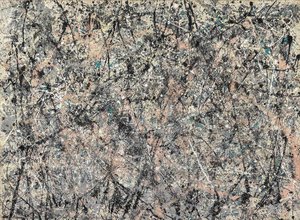
Explore Jackson Pollock’s ‘Greetings’! A dynamic drip painting showcasing abstract figures & warm tones in an Expressionist style. Discover this unique mixed-media artwork's energy and layered texture.

"meta_description": "Jackson Pollock (1912-1956) oli abstraktin ekspressionismin pioneeri ja tunnettu roiskemaalauksistaan. Hänen tyylinsä mullisti taiteen, ja hänen teoksensa ovat edelleen inspiraation lähde."

Giclée-printit ja taideprintit

Museolaatuisia giclée- tai kankaitaulun tulosteita nopealla tuotannolla ja joustavilla viimeistelyvaihtoehdoilla.

P118B $10
P118H $10
P118W $10
P438Z $10
P508JH $12
P508YH $12
P805H $10
P805Z $10
P919BZ $10
P919G $10
P919XJ $10
P959ZH $10
P968JZ $12
W106C $8
W218G $10
W218JH $8
W218Y $10
W307PJ $10
W316G $10
W316PJ $8
W316Y $10
W398PJ $8
W4111J $10
W500HY $15
W500JH $15
W692G $12
W849H $8
W940BG $15
W953PJ $8

Standard
custom
CM
INCH

Valitse valmiista mitoistamme sellaiset, jotka vastaavat teoksen alkuperäisiä mittasuhteita.

leveys
korkeus

Voit syöttää omat mitat sopiaksesi tiettyyn kehykseen tai tilaan. Jos valittu koko ei vastaa alkuperäisen kuvan mittasuhteita, rajaamme teosta tai laajennamme kuvaa peilatulla tai yhtenäisellä reunalla. Digitaalinen mallikuva lähetetään hyväksyttäväksi ennen tuotannon aloittamista.
Huomaathan, että näytöllä näkyvä esikatselu ei vastaa lopullista rajausta tai laajennusta. Vain mallikuva näyttää lopullisen sommittelun tarkasti.
Vaikka räätälöityjä kokoja on saatavilla, suosittelemme valitsemaan mitat valmiista listasta alkuperäisten mittasuhteiden säilyttämiseksi.

Toimitus maailmanlaajuisesti () kahdessa viikossa tavallisen 4–5 viikon sijaan. (4 heinäkuu)

why_choose_icon
Ilmainen pikatoimitus ympäri maailman
why_choose_icon
Korkealaatuinen pellavakangas
why_choose_icon
Kattava kuljetusvakuutus
why_choose_icon
Tulliveron palautustakuu
why_choose_icon
Täydellinen värien vastaavuustakuu
why_choose_icon
60 päivän palautusoikeus (vain valmistusvirheet)
why_choose_icon
100% rahat takaisin -takuu
why_choose_icon
Määräalennus tarjous

Kokonaishinta

-

reproduction

GREETINGS

Giclée-printit ja taideprintit

Replikaatin koko

-

Kokonaishinta

-

Pikaista tietoa

  • Artistic style: Energetic; Chaotic; Gestural
  • Influences: Native American art
  • Subject or theme: Stylized figures; Dynamic movement
  • Notable elements or techniques: Drip painting; Layered paint; Collage
  • Artist: Paul Jackson Pollock
  • Medium: Mixed Media

Taidevisa

Jokaisessa kysymyksessä on vain yksi oikea vastaus.

Kysymys 1:
What artistic movement is Paul Jackson Pollock’s ‘Greetings’ primarily associated with?
Kysymys 2:
The description mentions a technique called "all-over painting." What is characteristic of this method?
Kysymys 3:
What color palette dominates ‘Greetings’?
Kysymys 4:
The description notes that Pollock signed his artwork in the lower left corner as "Greetings Lee and Johnson." What does this suggest about the collaborative nature of the piece?
Kysymys 5:
According to the description, what stylistic elements contribute to the artwork's emotional intensity?

Teoksen kuvaus

Greetings: An Exploration of Pollock’s Expressionist Vision

Paul Jackson Pollock's “Greetings” stands as a testament to the radical spirit of Abstract Expressionism, encapsulating the movement’s core tenets within a deceptively simple composition. This artwork, created sometime in the mid-1940s—the zenith of Pollock’s groundbreaking drip technique—immediately captivates with its dynamic interplay of color and form, inviting viewers into a realm where visual sensation transcends representational accuracy.

  • Subject Matter: The painting depicts stylized human figures engaged in movement, albeit abstracted to the point of near anonymity. These forms swirl and intertwine across the canvas, conveying an impression of restless energy and perhaps hinting at psychological turbulence—themes prevalent throughout Pollock’s oeuvre.
  • Style & Technique: Pollock's signature method – drip painting – dominates this piece. He meticulously applied paint onto a horizontal surface laid on the floor, allowing gravity to guide drips and splatters from sticks or cans directly onto the canvas. This process yielded an uneven, textured surface achieved through layering paint and incorporating collage elements—a deliberate departure from traditional painting conventions.
  • Color Palette & Composition: The artwork’s color scheme is dominated by warm hues – browns, reds, and yellows – punctuated by darker accents that contribute to the overall mood. The composition is deliberately unbalanced, emphasizing horizontal movement while simultaneously disrupting visual stability. Lines are loose and gestural, creating a sense of spontaneity and mirroring the artist's emotional state.
  • Historical Context: “Greetings” emerged during a period of profound artistic experimentation following World War II. Pollock’s work aligns with the broader Expressionist impulse to convey emotion directly—a reaction against formalism and a celebration of subjective experience. It reflects the influence of Surrealism, particularly its exploration of unconsciousness and dreamlike imagery.
  • Symbolic Significance: The distorted figures and swirling lines within “Greetings” are laden with symbolic resonance. They represent not merely physical movement but also transformation—a visual metaphor for confronting inner turmoil and embracing change. Pollock’s intention was to bypass rational thought, tapping into primal instincts and conveying feelings beyond verbal articulation.

The painting's signature in the lower left corner – “Greetings Lee and Johnson” – serves as a subtle reminder of its provenance and underscores the collaborative spirit inherent in artistic creation. This artwork embodies Pollock’s unwavering commitment to pushing boundaries, establishing him as one of the most influential figures in 20th-century art.

Samankaltaisia teoksia


Taiteilijan elämäkerta

Early Life and the Seeds of Innovation

Paul Jackson Pollock, born in Cody, Wyoming, in 1912, was a restless spirit from the outset. His early life was marked by frequent relocation as his father, LeRoy Pollock, pursued work as a land surveyor across the vast landscapes of the American West. This itinerant existence instilled in young Pollock a deep connection to the natural world and an exposure to diverse cultures, particularly through encounters with Native American art during those surveying trips – impressions that would subtly permeate his artistic vision later in life. Though he never explicitly imitated Indigenous styles, the raw energy and spiritual resonance of these early experiences undoubtedly left their mark. He grew up in Arizona and Chico, California, absorbing a sense of both rugged individualism and the spirit of the frontier. Pollock’s formal artistic training began at the Manual Arts High School in Los Angeles, followed by studies at the Art Students League of New York under the tutelage of Thomas Hart Benton. Benton, a prominent figure in the Regionalist movement, emphasized rhythmic composition and narrative themes rooted in American life. Pollock initially absorbed these lessons, learning to create works that reflected the landscapes and people of America. However, his inherent inclination leaned toward more abstract explorations, driven by a desire to move beyond representational art and delve into deeper emotional and psychological realms. He was also profoundly impacted by Mexican muralists like José Clemente Orozco, whose powerful depictions of social struggle resonated deeply with him, sparking an interest in conveying complex narratives through visual form. These early influences laid a foundation, but it was the burgeoning world of Surrealism that truly unlocked Pollock’s artistic potential.

The Birth of Action Painting and a Revolutionary Technique

The 1930s saw Pollock experimenting with various techniques, seeking alternatives to traditional brushwork. He began pouring paint, exploring its fluidity and unpredictable nature. However, it was around 1947 that his artistic trajectory underwent a radical transformation. Abandoning the easel altogether, Pollock laid canvases directly on the floor, initiating what would become known as his “drip technique.” He then proceeded to drip, splash, and fling paint onto the canvas from above, orchestrating a dynamic dance between artist, medium, and surface. This wasn’t merely about applying paint; it was about embodying the act of creation itself. Pollock's canvases became arenas for physical expression, capturing the immediacy of his gestures and emotions. The resulting paintings are characterized by their “all-over” composition – a lack of central focus that invites the viewer to explore the entire surface as a unified field of energy. Intricate networks of lines and colors intertwine, creating a visual complexity that is both captivating and challenging. He employed unconventional tools—sticks, knives, even syringes—to manipulate the paint in unpredictable ways, further emphasizing the spontaneous nature of his process. This innovative approach positioned Pollock as a central figure in the burgeoning Abstract Expressionist movement, which emerged in post-World War II New York City.

Influences and Artistic Development

Pollock’s artistic development was shaped by a diverse range of influences. Beyond Benton and Orozco, he drew inspiration from European modernism, particularly the work of Pablo Picasso, whose innovative use of form and color challenged traditional notions of representation. He also explored Surrealist techniques, embracing the subconscious and dreamlike imagery associated with the movement. The influence of Max Ernst, a pioneer of collage and automatism, is evident in Pollock’s early experiments with chance and improvisation. His marriage to Lee Krasner, a fellow artist and intellectual, was particularly significant; she provided unwavering emotional support and actively encouraged his artistic development, recognizing the groundbreaking nature of his work. She understood his need for freedom and experimentation, fostering an environment where he could push the boundaries of art.

Iconic Works and Lasting Legacy

Pollock’s most celebrated works—such as Number 1, 1950 (Lavender Mist), One: Number 31, 1950, Blue Poles: Number 11, 1952, and Convergence—are testaments to his revolutionary technique. These paintings are not simply images; they are records of a performance, imbued with the artist’s physical presence and emotional intensity. The dynamic energy that emanates from these canvases is palpable, drawing viewers into a world of pure abstraction. His work transcended mere aesthetics; it was an exploration of process over product – a deliberate rejection of traditional notions of composition and representation. Pollock delved into Jungian psychology, exploring archetypes and the subconscious in his art, seeking to tap into universal symbols and primal energies. Pollock’s impact on the history of art is immeasurable. He fundamentally altered the way artists approached painting, breaking free from easel-based methods and embracing a more performative approach. His work helped solidify New York City's position as a global center for modern art, shifting the focus away from European dominance. Despite initial skepticism from some critics, Pollock’s reputation grew steadily after his untimely death in 1956 at the age of 44. Today, he is universally recognized as one of the most important and influential artists of the 20th century, a visionary who dared to challenge conventions and redefine the boundaries of artistic expression. His innovative techniques and expressive style continue to inspire and provoke, ensuring his enduring legacy for generations to come.

Paul Jackson Pollock

Paul Jackson Pollock

1912 - 1956 , Yhdysvallat

Pikatiedot

  • Artistic Movement Or Style: Abstrakti ekspressionismi
  • Artists Or Movements Influenced By This Artist:
    • Color Field
    • Abstrakti ekspressionismi
  • Artists Who Influenced This Artist:
    • Thomas Hart Benton
    • José Clemente Orozco
  • Date Of Birth: 28 tammiku 1912
  • Date Of Death: 11 elokuuta 1956
  • Full Name: Paul Jackson Pollock
  • Nationality: Amerikkalainen
  • Notable Artworks:
    • Numero 1, 1949
    • Syksynrytmi
    • Yhdistyminen
  • Place Of Birth: Cody, Wyoming
Tutustu teoksiin, jotka on järjestetty aiheiden, tyylien ja ominaisuuksien mukaan.