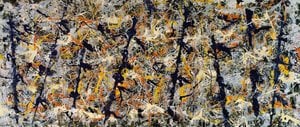
Oil On CanvasWallArtAbstract Expressionism
 1935Modern
 38.0 x 52.0 cm
Museolaatuisia giclée- tai kankaitaulun tulosteita nopealla tuotannolla ja joustavilla viimeistelyvaihtoehdoilla. ( Tilaa käsinmaalattu jäljennös Siirry digitaaliseen kuvaan)





























Valitse valmiista mitoistamme sellaiset, jotka vastaavat teoksen alkuperäisiä mittasuhteita.

Voit syöttää omat mitat sopiaksesi tiettyyn kehykseen tai tilaan. Jos valittu koko ei vastaa alkuperäisen kuvan mittasuhteita, rajaamme teosta tai laajennamme kuvaa peilatulla tai yhtenäisellä reunalla. Digitaalinen mallikuva lähetetään hyväksyttäväksi ennen tuotannon aloittamista.
Huomaathan, että näytöllä näkyvä esikatselu ei vastaa lopullista rajausta tai laajennusta. Vain mallikuva näyttää lopullisen sommittelun tarkasti.
Vaikka räätälöityjä kokoja on saatavilla, suosittelemme valitsemaan mitat valmiista listasta alkuperäisten mittasuhteiden säilyttämiseksi.
Maailmanlaajuinen toimitus () 2 viikossa tavallisen 4–5 viikon sijaan. (12 lokakuu)
Going West
Replikaatin koko
Jackson Pollock's "Going West," painted in 1935, isn’t merely a depiction of a winter landscape; it’s a deeply personal narrative woven into the fabric of American pioneering spirit. Born Paul Jackson Pollock in Cody, Wyoming – a town intimately linked to westward expansion – the painting resonates with a profound sense of familial history and the yearning for a new horizon. The scene unfolds at night, dominated by a snow-dusted mountain range, a backdrop that immediately evokes the vastness and rugged beauty of the American West. A small group of figures stands before this imposing vista, their forms rendered in a style that’s both recognizable and subtly abstracted – a characteristic born from Pollock's early experimentation with various artistic influences.
The painting’s genesis is believed to be rooted in a family photograph of a bridge in Cody, Wyoming. This seemingly simple starting point becomes the foundation for a richer exploration of themes: the journey westward undertaken by Pollock’s own family during his childhood from Arizona to California. This personal connection imbues the artwork with an emotional weight, transforming it into more than just a landscape; it's a visual embodiment of displacement, aspiration, and the enduring pull of home. The inclusion of a dog amongst the figures adds another layer of intimacy, suggesting companionship and shared experience on this arduous journey.
To fully appreciate “Going West,” it’s crucial to recognize the significant influence of Thomas Hart Benton, Pollock's mentor. Benton, a prominent American Regionalist painter, championed a style characterized by realistic depictions of everyday life, particularly focusing on rural America and its history. Pollock, in his early career, was deeply drawn to Benton’s approach – evident in the careful rendering of the figures and the detailed depiction of the landscape. However, Pollock quickly moved beyond mere imitation, incorporating elements of Surrealism and drawing inspiration from Native American art, ultimately forging his own distinctive style.
Notice how Benton's use of bold lines and a somewhat flattened perspective is echoed in Pollock’s composition, though subtly transformed. The figures aren’t sharply defined; they possess an almost dreamlike quality, contributing to the painting’s overall atmosphere of mystery and introspection. This early experimentation with different styles demonstrates Pollock’s artistic restlessness and his willingness to absorb influences before ultimately establishing his revolutionary drip technique.
“Going West” is a masterclass in the expressive potential of oil paint. Pollock employs a layered, almost chaotic application, building up texture and depth through multiple layers of color. The dark blues and blacks of the night sky contrast dramatically with the warm hues of the mountains and the figures’ clothing, creating a powerful sense of drama and visual tension. The technique is not about precise representation; it's about conveying feeling – the coldness of the winter air, the vastness of the landscape, and the quiet contemplation of the group before them.
The use of impasto—thickly applied paint—adds a tactile quality to the canvas, inviting viewers to reach out and touch the surface. This physicality is particularly striking in the depiction of the mountains, where the paint seems to ripple and flow like water. The overall effect is one of movement and energy, despite the static pose of the figures. It’s important to note that this technique was still developing as Pollock moved toward his signature drip painting style, making “Going West” a crucial stepping stone in his artistic evolution.
“Going West” transcends its immediate subject matter to become a potent symbol of the American experience. It speaks to the pioneering spirit, the challenges and rewards of westward expansion, and the enduring connection between family and place. Pollock’s ability to blend personal history with broader themes of American life is what makes this painting so compelling – it's not just a landscape; it’s a meditation on identity, journey, and the search for belonging. The painting serves as an important piece in understanding Pollock's early artistic development, setting the stage for his later abstract expressionist works.
For those seeking to own a piece of this remarkable artwork, WahooArt offers meticulously crafted hand-painted reproductions of “Going West.” These faithful recreations capture the painting’s rich textures, dramatic lighting, and emotional depth, allowing you to bring this iconic image into your home or office. Explore our reproduction options today!
Teoksen Paul Jackson Pollock:n "Going West" hallitseva sävy on Ochre to Sepia. Tämä sävy on paletin perussävy.
Teokset, jotka muistuttavat teosta "Going West", löytyvät teoksen Samankaltaisia -sivulta.
Teoksen Paul Jackson Pollock:n "Going West" historiallinen aikakausi on Modern. Tämä luokitus sijoittaa teoksen taidehistoriaan.
Teoksen "Going West" formaatti on Landscape ja alkuperäinen koko on 38 x 52 cm. Molemmat tiedot ovat hyödyllisiä jäljennöstä suunnitellessa.
Paul Jackson Pollock käytti tekniikkana Oil On Canvas-tekniikkaa teoksessa "Going West". Tekniikka määrittelee alkuperäisen teoksen materiaalisen luonteen.
Teokselle "Going West" suositeltu tulostuskoko on Large. Muita kokoja on saatavilla samoissa mittasuhteissa.
Teoksessa "Going West" Gentle kontrasti yhdistyy Softly Mixed Palette harmoniaan.
"Going West" esittää aiheita american west, family journey, landscape, night scene, migration, figures, dog, thomas benton, kun taas Paul Jackson Pollock tunnetaan teemoistaan thomas hart benton, regionalist style, american west themes, early abstract ideas, pollock's early style, transition to abstraction, experimentation phase, foundation for later works. Näiden kahden vertaaminen osoittaa, miten teos liittyy taiteilijan tavallisiin aiheisiin.


1912 - 1956 , Yhdysvallat

Explore the profound impact of Regionalism in art history. Discover how iconic painters captured local identity, rural resilience, and the American heartland through evocative landscapes and social commentary in this expert-led journey through art's most soulful movement.

Explore the profound beauty of American Regionalism. Delve into the art history of Grant Wood and John Steuart Curry, uncovering how these masters captured the soul of the American Heartland through iconic landscapes and rural identity.

 Katso seinällä
 Lähetä
 Jaa
Jaa
 Tarkemmat tiedot
 Opas
Opas

 Lataa kuva
 Samanlaisia kohteita
 Röntgenkuvaus
 Diaesitys
 Tilastot
 Lue lisää









 Lasivaihtoehto on saatavilla vain alle 110 cm kokoisille teoksille