


Museolaatuisia giclée- tai kankaitaulun tulosteita nopealla tuotannolla ja joustavilla viimeistelyvaihtoehdoilla. ( Osta käsintehty maalaus Osta kuva)





























Valitse valmiista mitoistamme sellaiset, jotka vastaavat teoksen alkuperäisiä mittasuhteita.

Voit syöttää omat mitat sopiaksesi tiettyyn kehykseen tai tilaan. Jos valittu koko ei vastaa alkuperäisen kuvan mittasuhteita, rajaamme teosta tai laajennamme kuvaa peilatulla tai yhtenäisellä reunalla. Digitaalinen mallikuva lähetetään hyväksyttäväksi ennen tuotannon aloittamista.
Huomaathan, että näytöllä näkyvä esikatselu ei vastaa lopullista rajausta tai laajennusta. Vain mallikuva näyttää lopullisen sommittelun tarkasti.
Vaikka räätälöityjä kokoja on saatavilla, suosittelemme valitsemaan mitat valmiista listasta alkuperäisten mittasuhteiden säilyttämiseksi.
Toimitus maailmanlaajuisesti () kahdessa viikossa tavallisen 4–5 viikon sijaan. (7 syyskuu)


Don Quixote (146)
Replikaatin koko
Gustave Doré’s “Don Quixote” transcends mere illustration; it embodies the spirit of Romanticism itself—a movement obsessed with dramatic narrative, psychological depth, and an unflinching portrayal of human experience. This monumental wood engraving print captures not just the plot of Miguel de Cervantes' celebrated novel but also its profound exploration of idealism versus disillusionment, cementing Doré’s legacy as one of the most influential artists of his time.
Doré’s artistic achievement rests upon a mastery of engraving technique. Working with meticulous precision on a copper plate—a laborious process demanding unwavering concentration—he transformed lines into luminous shades through the skillful application of hatching and crosshatching. These intersecting lines weren't merely decorative; they constituted Doré’s primary tool for conveying texture, depth, and tonal nuance—creating an astonishingly realistic surface that mirrored both the rugged terrain of Spain and the turbulent emotions simmering beneath the surface.
The composition is carefully orchestrated to amplify the narrative power of “Don Quixote.” Doré places Don Quixote and Rocinante centrally, dominating the frame with their imposing presence. The inclusion of Sancho Panza—representing practicality and groundedness—and a reciting poet adds layers of symbolic significance, prompting contemplation on themes of chivalry, reason, and artistic expression. The hillside backdrop serves as an anchor for the eye, guiding viewers into the heart of Don Quixote’s heroic quest against the bleak expanse of his surroundings.
Doré deliberately employs a muted palette—primarily shades of gray—to evoke a mood of melancholy and introspection. This tonal restraint underscores the protagonist's internal struggle, confronting him with the harsh realities of life while simultaneously celebrating the enduring power of imagination and unwavering belief in noble ideals. The desolate landscape symbolizes not merely physical hardship but also the psychological challenges inherent in pursuing lofty ambitions.
“Don Quixote” exemplifies Romantic realism—a movement that sought to fuse emotional intensity with meticulous observation of detail. Doré's unparalleled artistic vision continues to inspire awe and admiration, securing his place as a cornerstone of Victorian art history. Reproductions of this iconic artwork offer collectors and interior designers alike the opportunity to experience Doré’s masterful technique and profound understanding of human psychology—a testament to the enduring power of Romantic idealism.


1832 - 1883 , Ruotsi

Explore the captivating world of Gustave Doré, master of Romantic realism & iconic illustrator. Discover his dramatic wood engravings, paintings, and sculptures – a legacy shaping art history. Learn more at WahooArt.
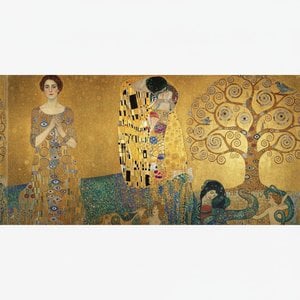
Tutustu Gustav Klimtin 25 mestariteokseen! Uppoudu koristeellisen taiteen, jugendtyylin ja symbolismin maailmaan. Löydä tarinat öljyvärimaalausten takaa ja inspiroi sisustusta WahooArt.com:ssa. Tutki kokoelma verkossa!

Explore 10 defining masterpieces of Romantic Realism! Discover Courbet, Millet & Daumier's powerful paintings—capturing emotion and social realities. Find museum-quality reproductions for your home at WahooArt.com.

Explore the captivating world of Victorian illustration! Discover Pre-Raphaelite influences, key artists like Rossetti & Stephens, and the era's rich narrative detail. A deep dive for art enthusiasts.

Explore the captivating world of Angelo Chiacchio, a master of mid-century American illustration. Discover his evolution, signature style, and lasting impact on commercial art & design. Learn about his legacy at the Museum of American Illustration.

 Esikatselu
 Jaa
Jaa Jaa
Jaa
 Tarkemmat tiedot

 Lataa
Lataa
 Samanlaisia
 Röntgenkuva
 Diaesitys
 Näytä lisää







 Lasivaihtoehto on saatavilla vain alle 110 cm kokoisina teoksina


