Taiteilijan elämäkerta
Paul Cézannen vallankumouksellinen visio: Elämä ja taide
Paul Cézanne, syntynyt Aix-en-Provencessa vuonna 1839, on monumentaalinen hahmo, joka yhdistää impressionismin ohikiitävät vaikutelmat kubismin fragmentoituneisiin muotoihin. Hänen matkansa ei ollut välitön menestys; se oli pikemminkin taiteellisen tutkimuksen hidossa kyteytymistä, jota leimasivat epäilyksen ja kriittisen hylkäyksen ajanjaksot, jotka lopulta huipentuivat perintöön, joka muutti modernin taiteen kulun peruuttamattomasti. Cézanne syntyi varakkaaseen perheeseen – hänen isänsä oli aluksi hattutekijä ja myöhemmin pankkiiri – ja hän nautti epätavallista taloudellista turvallisuutta kunnianhimoisille taiteilijoille, mikä antoi hänelle vapauden omistautua intohimolleen ilman välittömiä kaupallisen menestyksen paineita. Vaikka hänen isänsä pyrkimykset ohjasivat hänet alun perin lakimiehen uralle, taiteellinen ilmaisu osoittautui liian vahvaksi ja hän lopulta hylkäsi lain maalauksen hyväksi, mikä määritti hänen elämänsä. Varhaisiin vaikutteisiin sisältyi nuoruudessa vallitseva romantiikka ja Barbizon-koulukunnan omistautuminen maisemalle, mutta juuri kohtaamiset taiteilijoiden Paul Gauguinin ja Georges Seuratin kanssa sekä heidän innovatiiviset lähestymistapansa väriin ja muotoon saivat Cézannen luomaan oman erottuvan polkunsa.
Varhaisista varjoista rakenteeseen: Tyylin kehitys
Cézannen varhainen työ kuvasti usein romanttisen maalauksen dramaattisia, tunteellisesti latautuneita teemoja – tummat väripaletit ja ilmeikäs siveltö hallitsivat hänen kankaitaan. Tämä alkuvaihe oli kuitenkin vain askel kohti paljon analyyttisempää ja uraauurtavampaa lähestymistapaa. Tyytymätön pelkästään valon ohikiitävien vaikutelmien vangitsemiseen, kuten impressionistit suosivat, Cézanne aloitti pyrkimyksen ymmärtää ja esittää itse esineiden perusrakenne. Hän ei etsinyt vain *mitä* hän näki, vaan *kuinka* hän havaitsi todellisuuden muodostavat perustavanlaatuiset muodot. Tämä johti hänet hajottamaan luonnolliset muodot geometrisiksi vastineikseen – kartioiksi, sylintereiksi, palloiksi – ennakoiden kubistista vallankumousta vuosikymmeniä ennen sen toteutumista. Hänen tekniikkansa tunnettiin pienistä, toistuvista siveltöviivoista, jotka kerrostettiin huolellisesti rakentamaan monimutkaisia värikenttiä ja tekstuureja, luoden aiemmin näkemätöntä kiinteyttä ja syvyyttä maalauksissa. Hän ei ollut kiinnostunut illuusionomaisesta tilasta; sen sijaan hän esitti usein esineitä useista näkökulmista samanaikaisesti, haastaen perinteiset perspektiivikäsitykset ja pakottaen katsojan osallistumaan aktiivisesti hänen sompailujensa rakennettuun luonteeseen. Tämä tahallinen vääristymä ei ollut mielivaltainen vaan yritys välittää täydellisempi käsitys muodosta, joka esitti ei vain hetkeä ajassa vaan havainnon synteesiä.
Maisemat, asetelmat ja ihmishahmo: Keskeiset teokset ja toistuvat motiivit
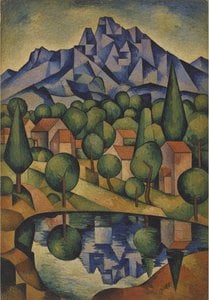
Cézannen tuotanto on huomattavan monipuolinen, kattaen maisemia, asetelmia, muotokuvia ja kylpijöiden kuvauksia, mutta kaikki yhdistyvät hänen ainutlaatuiseen lähestymistapaansa muotoon ja väriin. Jas de Bouffanin lampi, joka on maalattu vuonna 1880, edustaa hänen maisematyötään ja osoittaa hänen kykynsä vangita luonnon olemus huolellisella muotojen ja sävyjen järjestelyllä. Émile Zolan muotokuva, joka on luotu vuonna 1866, paljastaa hänen kehittyvän tyylinsä ja tarjoaa vakuuttavan välähdyksen läheisen ystävänsä ja kirjailijan älylliseen intensiteettiin. Hänen asetelmansa, kuten omenoiden ja muiden hedelmien esitykset, eivät ole pelkästään esineiden kuvauksia vaan tutkimuksia volyymista, valosta ja tilasuhteista. Mont Sainte-Victoire -sarjasta tuli Cézannelle pakkomielle, toistuva motiivi, jonka avulla hän pystyi tutkimaan väsymättä muotoa ja perspektiiviä vuosikymmenien ajan. Nämä maalaukset eivät ole pelkästään vuoren kuvauksia; ne ovat tutkimuksia siitä, kuinka me havaitsemme syvyyttä, volyymiä ja valon ja varjon leikkiä. Lopuksi hänen Kylpijöidensä sarjansa, jotka kuvaavat alastomia hahmoja idyllisissä maisemissa, edustaa syvällistä ihmishahmon tutkimusta ja sen yhteyttä luontoon, joka on usein täynnä ajattomuuden ja hiljaisen pohdiskelun tunnetta.
Innovaatioon taottu perintö: Cézannen vaikutus moderniin taiteeseen
Paul Cézannen vaikutus myöhemmille sukupolville taiteilijoita on mittaamaton. Häntä pidetään laajalti "modernin taiteen isänä" hänen uraauurtavien panostensa vuoksi kuvakieleen, jotka tasoittivat tietä monille 2000-luvun merkittäville taidesuuntauksille. Pablo Picasso ja Georges Braque olivat syvästi velkaa Cézannen painotukselle geometrisille muodoille ja useille näkökulmille, joista tuli kubismin keskeisiä periaatteita. Hänen rohkea värienkäyttönsä inspiroi myös fauvistiliikettä, jonka johtajat, kuten Henri Matisse, omaksuivat eloisia, epäluonnollisia sävyjä. Jopa surrealistiset taiteilijat löysivät resonanssia Cézannen subjektiivisen havainnon ja psykologisen syvyyden tutkimuksesta. Erityisten liikkeiden lisäksi Cézannen vaatiminen artistin henkilökohtaisesta visiosta ja perinteisten akateemisten rajoitusten hylkääminen vapautti sukupolvien maalarit tutkimaan uusia ilmaisumuotoja. Hän haastoi itse representaation määritelmän, siirtäen painopisteen todellisuuden jäljittelystä visuaalisen kokemuksen rakentamiseen perustavanlaatuisen rakenteen ja subjektiivisen havainnon pohjalta. Hänen kuolemansa vuonna 1906 ei merkinnyt loppua vaan alkua – uuden aikakauden sarastusta taiteen historiassa, jota hänen vallankumouksellinen visionsa syvästi muokkasi.



 Esikatselu
 Osta käsintehty maalaus
 Jaa
Jaa Jaa
Jaa
 Tarkemmat tiedot

 Lataa
Lataa
 Samanlaisia
 Röntgenkuva
 Diaesitys
 Tilastot


 Näytä lisää






































 Lasivaihtoehto on saatavilla vain alle 110 cm kokoisina teoksina