Akryyli kankaalleSeinätaideBaroque Classicism
 1623
1623 286.0 x 196.0 cm
 Galleria Sabauda
Käsinmaalattu öljyväri kankaalle haluamassasi koossa ja kehyksissä, taiteilijoidemme valmistamana tilauksesta. ( Vaihda tulosteeseen Siirry digitaaliseen kuvaan)





























Valitse valmiista mitoistamme sellaiset, jotka vastaavat teoksen alkuperäisiä mittasuhteita.

Voit syöttää omat mitat sopimaan tiettyyn kehykseen tai tilaan. Jos valitsemasi koko ei vastaa alkuperäisen kuvan mittasuhteita, rajaamme taideteoksen tai jatkamme maalausta käsin maalatuilla elementeillä. Digitaalinen esikatselu lähetetään hyväksyttäväksi ennen tuotannon aloittamista.
Huomioithan, että näytöllä oleva esikatselu ei vastaa todellista rajausta tai jatkamista. Vain digitaalinen mallikuva näyttää lopullisen sommittelun tarkasti.
Vaikka mittatilaustyöt ovat mahdollisia, suosittelemme valitsemaan mitan ennalta määritetystä listasta alkuperäisten mittasuhteiden säilyttämiseksi.
Maailmanlaajuinen toimitus () 3–4 viikossa tavallisen 5 viikon sijaan. (25 syyskuu). Laadusta ei tingitä.


Annunciatio
Replikaatin koko
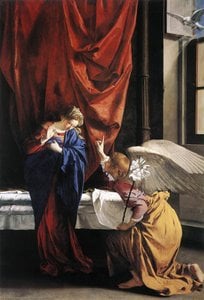
The painting “Annunciation” by Orazio Gentileschi, completed around 1623, stands as a cornerstone of Baroque art—a testament to the artistic fervor that gripped Rome during its golden age. Housed in the Galleria Sabauda in Turin, Italy, this monumental canvas transcends mere depiction; it strives to capture the divine essence of Gabriel’s proclamation to Mary, transforming a biblical narrative into an experience of palpable spiritual resonance.
Gentileschi's masterful command of chiaroscuro—the dramatic interplay between light and shadow—defines the painting’s aesthetic. He employs a technique honed through years of apprenticeship under Caravaggio, mirroring his revolutionary approach to portraying human emotion with uncompromising realism. The composition is meticulously balanced: Gabriel kneels before Mary, positioned centrally on the canvas, while a serene window behind them introduces a subtle element of natural light, symbolizing divine grace.
Beyond its technical brilliance lies a rich tapestry of symbolism. The vibrant red drapery enveloping Mary underscores her purity and maternal devotion—a color traditionally associated with royalty and sanctity. Gabriel’s blue robe signifies his celestial authority, reflecting the Virgin’s role as intermediary between heaven and earth. Even the bird perched on the windowsill serves as a potent emblem of freedom and divine presence, reinforcing the painting's overarching theme of spiritual liberation.
“Annunciation” emerged from a period profoundly influenced by Caravaggio’s groundbreaking style—a stylistic rebellion against Mannerism that championed naturalistic observation and emotional intensity. Gentileschi consciously adopted Caravaggio’s dramatic lighting effects, mirroring his penchant for portraying figures bathed in stark contrasts to heighten their expressive power. This artistic lineage underscores the painting's significance as a continuation of Caravaggio’s revolutionary vision.
Ultimately, “Annunciation” succeeds in conveying an overwhelming sense of serenity and reverence—a profound meditation on faith and divine grace. Gentileschi’s ability to capture the palpable emotion of this pivotal biblical scene elevates it beyond a mere historical record; it transforms it into an enduring symbol of spiritual aspiration and artistic achievement.


1563 - 1639 , Italia

Embark on a sophisticated journey through Italian Baroque art. Discover the dramatic interplay of light and emotion in Caravaggio’s masterpieces and explore how to bring this timeless grandeur into your collection with expert art insights.

Elevate your collection with the dramatic grandeur of Baroque oil masterpieces. WahooArt offers exquisite, hand-painted reproductions of the Great Masters, featuring authentic chiaroscuro and premium textures. Discover bespoke artistry and expert consultation for elite collectors worldwide.

 Katso seinällä
 Lähetä
 Jaa
Jaa
 Tarkemmat tiedot
 Opas
Opas

 Lataa kuva
 Samanlaisia kohteita
 Röntgenkuvaus
 Diaesitys
 Tilastot
 Lue lisää







 Lasivaihtoehto on saatavilla vain alle 110 cm kokoisille teoksille