

Canvas- ja taidevedokset alkaen €45 (koko 39 x 25 cm)
Käsinmaalattu öljyreprosentio alkaen €182
Tällä sivulla esitettyä taideteosta suojaa tekijänoikeuslaki, mikä tarkoittaa, ettemme voi laillisesti luoda tai myydä täsmälleen samanlaista jäljennöstä. Tämä suoja toteutetaan kansainvälisten sopimusten, kuten esimerkiksi Berne-konventio ja kansallisilla laeilla, mukaan lukien niillä määritellyt Yhdysvaltain tekijänoikeuslaki – Luku 17. Kaikki oikeudet pidätetään. Luvaton kopiointi tai jäljittely on kielletty.
Tämä menetelmä noudattaa täysin tekijänoikeussäännöksiä, sillä se ei sisällä suojatun taideteoksen kopioimista tai jäljentämistä. Sen sijaan kyseessä on luova uudelleentulkinta – uusi maalaus, joka ammentaa vaikutteita alkuperäisestä, mutta ei ole sen identtinen kopio.
Museolaatuisia giclée- tai kankaitaulun tulosteita nopealla tuotannolla ja joustavilla viimeistelyvaihtoehdoilla. ( Käsinmaalattu öljymaalaus Osta digitaalinen kuva
)
Budjettiversio: sama kuva painettuna 260 g/m² polyesterikankaalle puuvillan sijaan. Toimitetaan rullalla putkessa tavallisella postilla 3–4 viikossa. Toimitetaan vain rullalla (ilman pingotusta tai kehystä) ja ilman kiireellistä tuotantoa, koossa, jonka vähintään yksi sivu on enintään 80 cm. Noin 30% edullisempi kuin puuvillakangasvedos.
Ei saatavilla tässä koossa: vähintään yhden sivun on oltava enintään 80 cm.
Vain rullattuina: valitse rullattu kangas valitaksesi tämän tulosteen.
Saatavilla kokoille, joiden molemmat sivut ovat enintään 110 cm. Suurempia kokoja varten tuloste valmistetaan mattapintaiselle puuvillakangaspinnalle.
Matta arkistokangas ei ole saatavilla tässä koossa: molempien sivujen on oltava enintään 110 cm. Tulosteesi on tehty mattapuuvillakangas-materiaalille.

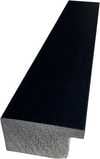
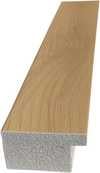




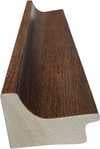
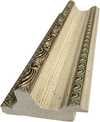

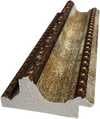
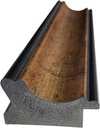
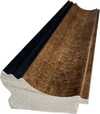
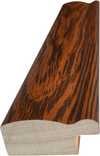



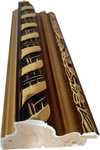


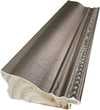


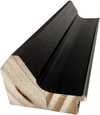


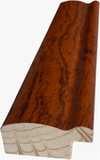
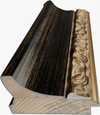

Valitse valmiista mitoistamme sellaiset, jotka vastaavat teoksen alkuperäisiä mittasuhteita.

Syötä tarvitsemasi leveys ja korkeus, jotta tuloste sopii kehyksiisi tai seinällesi. Tulostetta voidaan vain leikata, sitä ei voida koskaan suurentaa alkuperäistä kuvaa suuremmaksi, joten eri muotoinen koko aiheuttaa osan kuvasta katoamisen. Lähetämme sinulle digitaalisen mallikuvan hyväksyttäväksi ennen kuin aloitamme tulostuksen. Tällä sivulla näkyvä kuva ei näytä lopullista rajausta — vain mallikuva näyttää sen.
Maailmanlaajuinen toimitus () 2 viikossa tavallisen 4–5 viikon sijaan. (24 joulukuu)
Economy poly-canvas -tulosteesta ei ole saatavilla kiireellistä tuotantoa tai pikatoimitusta, sillä se toimitetaan tavallisella postilla.
Oiseau
Replikaatin koko
Maailmanlaajuinen toimitus () tavallisella postilla 3–4 viikon kuluessa. (24 joulukuu)
Max Ernst’s “Oiseau (Bird)” – often referred to as “L'Oiseau Mère” or "The Mother Bird" – is not merely a depiction of avian form; it’s an immersion into the subconscious, a distilled fragment of the artist’s intensely personal and profoundly unsettling vision. Painted in 1951, during a period of considerable artistic evolution for Ernst, this work exemplifies his masterful manipulation of technique—particularly his innovative use of *grattage* – to create textures that vibrate with hidden meaning. The painting immediately draws the eye with its stark contrast: a pale beige, almost parchment-like background punctuated by the assertive red outline of the bird itself. This deliberate simplicity belies a complex layering of symbolism and psychological exploration.
Ernst’s approach to composition is strikingly unconventional. The bird, rendered in bold, uneven lines, occupies a central position within the frame, yet its incompleteness—the gaping “hole” where its belly should be—is profoundly unsettling. This deliberate absence isn't simply a technical oversight; it speaks volumes about themes of vulnerability, loss, and perhaps even the fragmented nature of selfhood – ideas that were central to Ernst’s broader artistic concerns during this period. The bird’s head, a simplified circle with a single blue eye, possesses an almost childlike quality, further amplifying its sense of innocence juxtaposed against the unsettling void within its form.
To fully appreciate “Oiseau,” one must understand Ernst’s groundbreaking technique of *grattage*. Developed in 1925, this method involved applying paint to a canvas and then vigorously scraping it away with a palette knife or other tool. This process created a textured surface—a map of the underlying materials—that was then layered with subsequent paint applications. In “Oiseau,” the *grattage* technique is particularly evident in the mottled background, which resembles aged paper or fabric – a deliberate choice that evokes a sense of history and decay. The rough edges of the bird’s outline further contribute to this tactile effect, inviting the viewer to engage with the painting on a sensory level.
The use of red as the dominant color is also significant. Red, in Ernst's work, often represents passion, danger, and even death – potent symbols that resonate throughout his oeuvre. Here, it serves to highlight the bird’s vulnerability and its precarious existence within the stark landscape. The limited palette—primarily beige, red, and blue—reinforces this sense of austerity and emotional restraint.
“Oiseau” firmly situates itself within the broader context of Surrealist art, a movement that sought to unlock the creative potential of the unconscious mind. Ernst was a key figure in the development of Surrealism, alongside artists like Salvador Dalí and René Magritte. His work frequently explored themes of dreams, mythology, and psychological trauma – subjects often considered taboo during the early 20th century. The bird itself is laden with symbolic weight; birds have long been associated with freedom, spirituality, and transformation in art and literature.
Interestingly, Ernst’s fascination with birds extended beyond mere aesthetic interest. He developed an alter ego, “Loplop, the Bird Superior,” a recurring figure in his writings and artwork, embodying qualities of wisdom, cunning, and even danger. This personal mythology informs our understanding of "Oiseau," suggesting that the bird is not simply a representation of nature but also a projection of Ernst’s own complex psyche.
“Oiseau” remains a powerfully evocative work, inviting multiple interpretations. It can be seen as a meditation on loss and incompleteness, a poignant reflection on the fragility of life, or even a symbolic representation of the artist’s own struggles with identity and self-doubt. Regardless of one's interpretation, the painting’s enduring appeal lies in its ability to tap into fundamental human emotions—a sense of vulnerability, longing, and perhaps even a touch of melancholy. It stands as a testament to Ernst’s genius – his capacity to transform simple materials into profound expressions of the inner world.
Painatukset: Oiseau on painettu giclée-tekniikalla joko puuvillakangvasseille tai Epsonin arkistoluokan kanvassipaperille.
Koot vaihtelevat välillä 39.3 x 25.4 cm (€45) – 246.5 x 159.4 cm (€335); tämän sivun taulukossa on lueteltu eri vaihtoehdot ja niiden hinnat.
Putkessa toimitettava juliste toimitetaan maksutta tavallisella postilla 3–4 viikossa; kangaspuut tai kehyksissä oleva teos vie 4–5 viikkoa. Pikatoimitus on saatavilla vain tällä sivulla tarjottavalla maksullisella Express Delivery -vaihtoehdolla. Voit palauttaa tuotteen 100 päivän kuluessa täyden hyvityksen saamiseksi ilman erityisiä ehtoja.
Acrylic On Canvas

Born in Brühl, Germany, amidst profound global upheaval, Ernst’s artistry was forged in the fires of Dadaist rebellion and Surrealist truth.

Born in the coastal air of Ostend in 1860, Ensor used carnival masks and the grotesque to unmask the human condition through a fever dream of color.

A signed urinal titled Fountain was submitted by Marcel Duchamp in 1917. See how this provocation sparked a revolt against logic and art.

 Esikatselu

 Jaa teos
 Jaa
 Tiedot
 Teostiedot


 Lataa kuva
 Samanlaisia kohteita
 Röntgenkuvaus
 Diaesitys
 Kysymykset ja vastaukset

 Tilastot


 Oiseau koko kuvaus

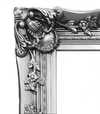

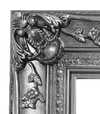


 Lasivaihtoehto on saatavilla vain alle 110 cm kokoisille teoksille


