Osta korkearesoluutioinen, parannettu digitaalikuva, joka on laadultaan huomattavasti parempi kuin verkkosivuston esikatselu.
Jokainen tiedosto valmistellaan huolellisesti omien asiantuntijoidemme toimesta käyttäen edistyneitä työkaluja ja ammattitaitoista manuaalista retusointia. Varmistamme, että jokaisessa kuvassa on poikkeuksellinen selkeys, tarkka värintoisto ja hienovaraiset yksityiskohdat.
Lopputiedosto toimitetaan sähköpostitse 72 tunnin kuluessa, ja se on optimoitu välittömään käyttöön ammattimaisissa, toimituksellisissa ja painoympäristöissä. Laatu on sama, johon huipputason suunnittelustudiot, kustantajat ja galleriat luottavat.
Lataa korkearesoluutioinen tiedosto henkilökohtaiseen näyttelyyn, tulostamiseen ja luoviin projekteihin. ( Osta printti Osta käsintehty maalaus)
Kun valitset WahooArt.com-palvelun, et saa vain kuvaa – saat ammattimaisesti parannetun digitaalisen taideteoksen, joka on luotu tarkkuudella ja jonka takaa tulee tyytyväisyystakuu. Tässä on kaikki, mitä tilauksesi sisältää, automaattisesti:

Korkearesoluutioinen digitaalinen kuvatiedostosi lähetetään sähköpostiisi 72 tunnin kuluessa tilauksesta – valmiina käytettäväksi välittömästi.

Taiteilijasi teos on optimoitu ammattimaisesti edistyneiden tekoälytyökalujen ja manuaalisen muokkauksen avulla, mikä takaa maksimaalisen yksityiskohtaisuuden, selkeyden ja väritarkkuuden.

Oletko vahingossa poistanut tai kadottanut tiedostosi? Ei hätää – lähetämme sen sinulle uudelleen milloin tahansa täysin maksutta.

Nauti taiteestasi välittömästi ilman tulleja, veroja tai toimitusmaksuja – digitaaliset lataukset ovat aina verovapaita.

Varmistamme, että digitaalinen kuvasi vastaa alkuperäisiä värejä mahdollisimman tarkasti käyttämällä ammattilaistason työkaluja ja värinhallintaa.

Jos et ole tyytyväinen digitaaliseen kuvaasi, muokkaamme sitä tai palautamme 100% hinnan 100 päivän kuluessa – kysymystä ei esitetä.

Et ole tyytyväinen? Saat täyden hyvityksen 100 päivän kuluessa digitaalisen tiedostosi vastaanottamisesta – kysymystä ei esitetä.

Osta 3 kuvaa, säästä 10% - Osta 5, säästä 15% - Osta 10+, säästä 20%. Erinomainen valinta luoviin projekteihin, gallerioille ja toimistoille.
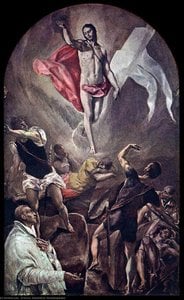
Matthias Grünewald's "The Resurrection," painted around 1515, isn’t merely a depiction of a biblical event; it’s a visceral experience. This monumental panel, now housed in the Unterlinden Museum in Colmar, France, transcends simple narrative to become a profound meditation on faith, sacrifice, and the triumph over darkness. It's a work that immediately commands attention, not through polished realism, but through an intensely emotional and dramatically charged atmosphere – a hallmark of Grünewald’s unique Northern Renaissance style.
The painting unfolds as a carefully orchestrated drama. At its heart stands Christ, not in serene repose, but powerfully ascending into the heavens. His body, ravaged by the wounds of the crucifixion, is rendered with an almost agonizing detail – the flayed skin, the exposed nails, the blue-tinged lips conveying both suffering and divine presence. This isn’t idealized beauty; it's a raw, unflinching portrayal of human agony transformed into spiritual victory. Below him lies a chaotic tableau of fallen Roman soldiers, their armor scattered, weapons abandoned, symbolizing the defeat of earthly power by the resurrected Christ.
Grünewald’s mastery lies in his manipulation of light and shadow – a technique known as *chiaroscuro*. The scene is dominated by deep, almost impenetrable blacks that contrast sharply with the radiant glow emanating from Christ himself. This dramatic lighting isn't just aesthetic; it serves to elevate Christ to a divine level, casting him as the source of all illumination and hope. The artist employs impasto – thick layers of paint applied directly to the panel – creating a tactile surface that adds depth and physicality to the figures and architectural elements. The brushstrokes are visible, lending a sense of immediacy and energy to the composition.
Notice also the deliberate flattening of perspective. Grünewald prioritizes emotional impact over strict realism, drawing the viewer’s eye upwards towards Christ's ascent through strong diagonals and a tightly structured composition. This compositional choice reinforces the painting’s central theme: the movement from earthly suffering to heavenly glory.
“The Resurrection” wasn’t created for a grand cathedral, but for the hospital of St. Anthony in Issenheim, a monastery dedicated to caring for plague victims. The monks there were particularly skilled at treating ergotism, a debilitating disease characterized by gangrene and convulsions. The imagery within the painting – Christ's wounds mirroring the symptoms of the afflicted – was intended to offer comfort and reassurance to those suffering from this horrific illness. It’s a poignant example of art serving as a source of spiritual healing.
Furthermore, the inclusion of figures like Saint Sebastian (pierced by arrows) and John the Baptist (pointing towards Christ) adds layers of symbolic meaning. Sebastian represents martyrdom and sacrifice, while John foreshadows the coming of the Messiah. The lamb, held by John, is a potent symbol of Christ as the sacrificial Lamb of God.
“The Resurrection” remains one of Grünewald’s most powerful and enduring works. Its raw emotion, dramatic composition, and profound symbolism continue to resonate with viewers centuries later. It's a testament to the artist’s ability to capture not just the events of the biblical narrative, but also the complex emotions associated with faith, suffering, and redemption. Reproductions of this masterpiece offer a remarkable opportunity to experience Grünewald’s visionary style in your own space – a window into a world of intense spirituality and artistic brilliance.


1480 - 1528 , Saksa

 Esikatselu
 Jaa
Jaa Jaa
Jaa
 Tarkemmat tiedot

 Lataa
Lataa
 Samanlaisia
 Röntgenkuva
 Diaesitys


 Näytä lisää