

Tällä sivulla esitettyä taideteosta suojaa tekijänoikeuslaki, mikä tarkoittaa, ettemme voi laillisesti luoda tai myydä täsmälleen samanlaista jäljennöstä. Tämä suoja toteutetaan kansainvälisten sopimusten, kuten esimerkiksi Berne-konventio ja kansallisilla laeilla, mukaan lukien niillä määritellyt Yhdysvaltain tekijänoikeuslaki – Luku 17. Kaikki oikeudet pidätetään. Luvaton kopiointi tai jäljittely on kielletty.
Tämä menetelmä noudattaa täysin tekijänoikeussäännöksiä, sillä se ei sisällä suojatun taideteoksen kopioimista tai jäljentämistä. Sen sijaan kyseessä on luova uudelleentulkinta – uusi maalaus, joka ammentaa vaikutteita alkuperäisestä, mutta ei ole sen identtinen kopio.
Museolaatuisia giclée- tai kankaitaulun tulosteita nopealla tuotannolla ja joustavilla viimeistelyvaihtoehdoilla. ( Tilaa käsinmaalattu jäljennös Siirry digitaaliseen kuvaan)





























Valitse valmiista mitoistamme sellaiset, jotka vastaavat teoksen alkuperäisiä mittasuhteita.

Voit syöttää omat mitat sopiaksesi tiettyyn kehykseen tai tilaan. Jos valittu koko ei vastaa alkuperäisen kuvan mittasuhteita, rajaamme teosta tai laajennamme kuvaa peilatulla tai yhtenäisellä reunalla. Digitaalinen mallikuva lähetetään hyväksyttäväksi ennen tuotannon aloittamista.
Huomaathan, että näytöllä näkyvä esikatselu ei vastaa lopullista rajausta tai laajennusta. Vain mallikuva näyttää lopullisen sommittelun tarkasti.
Vaikka räätälöityjä kokoja on saatavilla, suosittelemme valitsemaan mitat valmiista listasta alkuperäisten mittasuhteiden säilyttämiseksi.
Maailmanlaajuinen toimitus () 2 viikossa tavallisen 4–5 viikon sijaan. (11 lokakuu)
No. 12
Replikaatin koko
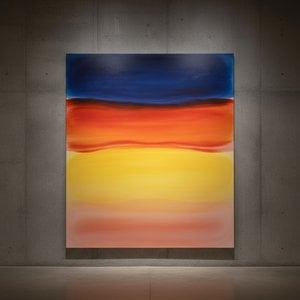
Mark Rothko's “No. 12” isn’t merely a painting; it’s an invitation to quiet contemplation, a distilled essence of feeling rendered in pigment and texture. Born Markus Yakovlevich Rothkowitz in Dvinsk, Latvia – a region steeped in historical displacement and cultural upheaval – Rothko’s early life profoundly shaped his artistic vision. The anxieties of a Jewish family living under the shadow of pogroms instilled within him a deep sensitivity to human suffering, a theme that would become a recurring motif throughout his oeuvre. This sense of vulnerability and searching for meaning is palpably present in “No. 12,” a work born from a complex interplay of personal experience and artistic exploration.
The painting’s genesis lies within the broader context of Color Field painting, a movement that sought to elevate color itself as the primary subject matter. Rothko moved to New York City in 1923, immersing himself in the vibrant, often turbulent, atmosphere of the city's artistic scene. He experimented with various styles – Surrealism, mythological themes – before arriving at his signature approach: large, rectangular blocks of color stacked vertically, creating a sense of depth and luminosity. “No. 12” exemplifies this technique perfectly, representing a pivotal moment in Rothko’s development as he moved away from representational imagery towards pure emotional expression.
At first glance, "No. 12" appears strikingly simple – three distinct rectangular blocks of color arranged against a reddish-brown frame. However, this apparent minimalism belies a complex interplay of visual elements. The uppermost block is dominated by a deep, saturated blue-purple, transitioning downwards into a lighter, warmer beige hue. This gradient isn’t merely decorative; it suggests movement, depth, and perhaps even the passage of time or emotion. The thin band of reddish-brown acts as an anchor, grounding the composition and providing a subtle contrast to the dominant colors. Notably, there's no discernible perspective or attempt at realistic representation – Rothko deliberately eschewed traditional techniques in favor of conveying feeling directly through color.
The brushwork is crucial to understanding the painting’s impact. It’s visible, textured, and gestural, suggesting an expressive application of paint. Layers are built up, allowing colors to bleed slightly into adjacent areas, creating soft edges and a sense of movement. This technique contributes significantly to the painting's atmospheric quality, evoking a feeling of quiet contemplation and simplicity. The deliberate lack of sharp lines or defined forms encourages the viewer to lose themselves within the color fields, fostering a meditative experience.
While Rothko resisted definitive interpretations of his work, it’s widely believed that he aimed to evoke profound emotional responses through color. The blue-purple shade often represents melancholy, spirituality, or the vastness of the universe – a reflection perhaps of his own sense of displacement and longing. The warmer beige tones might symbolize comfort, earthiness, or even mortality. The reddish-brown frame serves as a grounding element, providing stability amidst the expansive color fields.
It’s important to note that Rothko wasn't interested in depicting specific scenes or narratives; instead, he sought to create an experience for the viewer—a direct emotional connection through pure color. “No. 12” invites us to project our own feelings and experiences onto the canvas, transforming it into a personal meditation space. The painting’s enduring power lies in its ability to resonate with viewers on a deeply intuitive level.
Mark Rothko's “No. 12” stands as a testament to the transformative potential of color and abstraction. It exemplifies his mastery of Color Field painting, demonstrating how seemingly simple forms can evoke profound emotional responses. Reproductions capture much of this intensity, offering an accessible way to experience Rothko’s vision in your own space. WahooArt offers meticulously crafted hand-painted reproductions that faithfully recreate the texture, luminosity, and subtle nuances of this iconic work, allowing you to bring a piece of Rothko's contemplative world into your home or office.
Teoksen Mark Rothko:n "No. 12" taidehistoriallinen luokitus on Abstract Expressionism, Modern-kaudelta.
Teoksessa Mark Rothko:n "No. 12" on Balanced Soft kylläisyys ja Balanced voimakkuus.
Teoksen Mark Rothko:n "No. 12" painos voidaan tilata suoraan osoitteesta tämä sivu: taideteosvedos puuvillakangas- tai arkistoluokan kankaalle painettuna.
Teoksen "No. 12" taiteilija on Mark Rothko. Teos on luetteloitu Mark Rothko nimellä.
Kokonaisuudessaan teoksen "No. 12" kirkkaus on kirjattu arvoon balanced. Koettu kirkkaus kuvaa sitä, kuinka vaaleana tai tummana teos vaikuttaa.
Abstract Expressionism-tyylinen teos "No. 12" on Latvia:ssa syntyneen taiteilijan käsialaa.
Mark Rothko:n "No. 12"-teoksen käsinmaalattuja kopioita myydään tämä verkkosivusto-sivustolla: käsinmaalattu öljyvärireproduktio pellavakankaalle, tilattavissa osoitteesta tämä sivu.

1903 - 1970 , Latvia

Explore the profound history and emotional depth of Color Field painting. From Mark Rothko to Barnett Newman, discover how pure color redefined modern art through our expert-led guide for students and collectors alike.

Tutustu abstraktin ekspressionismin 10 mestariteokseen! Jackson Pollock, Mark Rothko ja muut taiteilijat inspiroivat tunteellisuudellaan. Löydä upeita taidemaalauksia kotiisi WahooArt.comista – museolaatuista laatua ja sisustusehdotuksia.

Explore the profound emotional depth of Color Field painting. Discover the history of mid-century abstraction, from Rothko to Newman, and learn how pure color transforms the viewer's experience through our expert art history guide.
Explore the profound emotional depth of Mark Rothko's abstract expressionism. Discover the history, techniques & lasting impact of this pivotal Color Field painter. Expert insights for collectors and art enthusiasts.
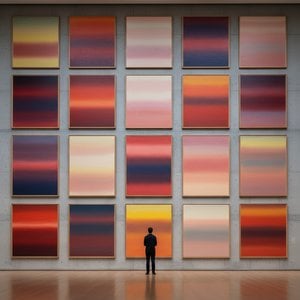
Tutustu Mark Rothkon 25 mestariteokseen ja syvälliseen maailmaan abstraktin ekspressionismin parissa. Löydä tunteelliset väritaulut, taidehistorian helmet ja inspiraatiota kotiisi WahooArtilta. Tutki kokoelma verkossa!

 Katso seinällä
 Lähetä
 Jaa
Jaa
 Tarkemmat tiedot
 Opas
Opas

 Lataa kuva
 Samanlaisia kohteita
 Röntgenkuvaus
 Diaesitys
 Tilastot

 Lue lisää









 Lasivaihtoehto on saatavilla vain alle 110 cm kokoisille teoksille


