Mark Rothkon varhaisvuodet
Mark Rothko syntyi nimellä Markus Yakovlevich Rothkowitz vuonna 1903. Hänen syntymäpaikkansa oli Dvinsk, Venäjällä, paikassa, joka tunnetaan nykyään nimellä Daugavpils, Latviassa. Hänen perheensä asui juutalaisessa asutusalueessa, niin kutsutussa juutalaisessa vyöhykkeessä, jota leimasi poliittinen levottomuus ja pogromien jatkuva varjo. Tämä epävakauden ilmapiiri seurasi perhettä, kun he muuttivat Yhdysvaltoihin vuonna 1913. Ellis Islandin kautta kuljettuaan he asettuivat Portlandiin, Orengeen.
Hänen isänsä Jacob työskenteli apteekkarina. Hän oli älyllinen mies, jolla oli sosialistisia aatteita, ja hän loi kodin, jonka keskiössä olivat oppiminen ja väittely. Tätä syvällisen ajattelun ilmapiiriä keskeytti äkillinen menetys. Pian perheen saavuttua Amerikkaan Jacob kuoli paksusuolen syöpään. Tämä varhainen surun kokemus ja siirtolaisuuden tuomat haasteet muodostivat hiljaisen perustuksen sille miehelle, josta hän myöhemmin tuli.
Taiteellinen koulutus ja varhaisvuodet New Yorkissa
Muutto New Yorkiin vuonna 1923 toi mukanaan merkittävän muutoksen taiteellisessa fokuksessa. Yale Universityssa vietetty aika jäi taustalle, kun kaupungin kutsu vei hänet pois muodollisesta akateemisesta maailmasta. Hän hakeutui Art Students Leaguen pariin hioakseen tekniikkaansa ja etsiin taiteellista ilmaisuaan. Nämä varhaiset vuodet olivat tyyliltään hyvin konkreettisia; hänen pensselinsä oli keskittynyt aineelliseen ja käsin kosketeltavaan. Hän maalasi muotokuvia ja urbaaneja maisemia, kiinnittäen huomiota yksityiskohtiin ihmiskasvoissa ja kaupungin katujen karuudessa. Hänen työnsä oli tuolloin vahvasti juurtunut realismiin, vangiten fyysisen maailman ennen kuin abstraktion voima alkoi vähitellen ottaa valtaa.
Vuoteen 1940 tultaessa hän teki merkittävän päätöksen muuttaa nimensä muotoon Mark Rothko. Tämä oli siirtymävaihe, jolloin hän alkoi irtautua nuoruutensa rakenteellisesta representaatiosta. Katse alkoi vaeltaa pois kaupungin tunnistettavista kohteista kohti jotain epämääräisempää ja syvempää. Hän etsi keinoa ilmaista ihmiskokemuksen painoa ja syvyyttä ilman, että hänen tarvitsisi tukeutua ympäröivän maailman kirjaimisiin muotoihin.
Kehitys kohti abstraktia ekspressionismia
1940-luvun edetessä taiteilijan aikaisempien vuosien huolellinen realismi alkoi väistyä. Huomio siirtyi pois kaupunkinäkymien ja muotokuvien tunnistettavista yksityiskohdista. Sen sijaan hän kääntyi surrealismin ja mytologian kielen puoleen. Hän käytti näitä teemoja löytääkseen tavan ilmaista ihmisen tunteiden painoa. Tältä ajalta peräisin olevissa maalauksissa esiintyi usein biomorfisia muotoja. Nämä muodot tuntuivat leijuvan, jääden tilaan, jossa ne eivät olleet täysin hahmoja eivätkä täysin abstrakteja.
Tämä ajanjakso merkitsi hänen liittymistään amerikkalaisen abstraktin ekspressionismin liikkeeseen. Hän siirtyi pois esineiden rakenteellisesta maailmasta tutkiakseen jotain sisäisempää. Kankaista tuli vähemmän kyse siitä, miltä jokin asia näytti, ja enemmän siitä, mitä tunnetta se kantoi. Hän etsi tapaa viestiä ihmisyyden monimutkaisuudesta muodon ja myytin kautta.
Värien kenttämaalauksen synty
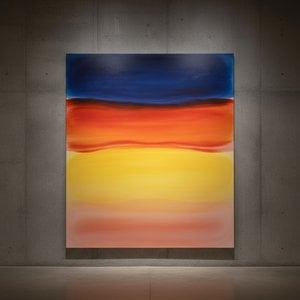
1940-luvun loppupuolella taiteilijan tuotanto alkoi kääntyä uuteen suuntaan. Hän siirtyi pois figuurien muodoista ja mytologian tarinoista, riisuen tunnistettavat kuvat löytääkseen jotain suorempaa ja puhdasta. Maalauskankaat kasvoivat mittakaavaltaan, ja niitä hallitsivat suuret, suorakaiteen muotoiset väriblokit, jotka näyttivät leijuvan kankaan pinnalla. Nämä muodot eivät ainoastaan lepänneet pinnalla, vaan ne tuntuivat olevan olemassa matalassa, hengittävässä tilassa. Tämä muutos merkitsi hänen kypsyysvaiheensa alkua, aikakautta, joka kytkeytyi tiiviisti värien kenttämaalauksen eli Color Field -maalauksen nousuun.
Maalin levittäminen oli hidasta ja kerroksellista prosessia. Hän käytti ohuita pigmenttiliuoksia rakentaakseen pintaa, luoden hienovaraisia muutoksia sävyihin ja tekstuuriin. Nämä kerrokset saivat valon näyttämään siltä, kuin se tulisi suoraan kankaan sisältä. Värikenttien reunat eivät olleet koskaan teräviä; päinvastoin ne olivat sumeita ja pehmeitä, mikä teki eri sävyjen välisistä rajoista läpäiseviä. Tämä menetelmä muutti kankaan hiljaiseksi ja voimakkaaksi läsnäolon paikaksi.
Tekniikka ja värin kieli
Mark Rothkon teokset nojaavat erityiseen, hiljaiseen kerrostamisen menetelmään. Hän levitti ohuita öljyvärikerroksia rakentaen pinnan huolellisista, läpikuultavista sävyistä. Tämä prosessi luo samettisen tekstuurin, joka tuntuu vangitsevan valon pigmentin sisään sen sijaan, että se vain heijastuisi sen pinnasta. Teravien viivojen sijaan hänen suorakaiteen muotoisten muotojensa reunat ovat hämärtyneet, mikä antaa värien sulautua ja leijua toistensa yllä. Nämä suuret väriblokit on tarkoitettu luomaan syvyyden tuntua, saaden kankaan näyttämään siltä, kuin se hengittäisi.
Hän riisui teoksistaan kaikki otsikot, jotka voisivat viitata tiettyyn aiheeseen tai narratiiviin. Monet kankaat kantavat vain yksinkertaisia numeroita, kuten No. 1 tai No. 6, jättäen katsojan kohtaamaan värin ilman ennakkoon muotoutuneita käsityksiä. Tämä valinta pakottaa suoraan kohtaamiseen maalin kanssa. Hän käytti näitä valoa säteileviä kenttiä tavoittaakseen tiettyjä, raskaita inhimillisiä tunteita: tragediaa, ekstaasia ja epätoivoa. Teosten mittakaavan on tarkoitus kietoa edessä seisova ihminen syleilyynsä, muuttaen katsomisen hiljaiseksi, uppoutumisen kokemukseksi.
Merkittävät tilaustyöt ja seinämaalaukset
Mark Rothkon taiteellinen visio laajeni usein yksittäisen kankaan rajojen yli, pyrkien täyttämään kokonaisia huoneita ja muuttamaan tilan luonnetta. Hän omisti valtavasti aikaa Seagram-seinämaalauksille, jotka oli alun perin tarkoitettu New Yorkin ravintolaan. Lopulta hän kuitenkin päätyi siihen tulokseen, ettei ravintolaympäristö ollutkaankaankaan sopiva näille teoksille, ja lahjoitti ne Lontoossa sijaitsevaan Tate Galleryyn. Hänen syvä kiinnostuksensa siihen, miten väri kietoutuu osaksi arkkitehtuuria, johti myös Harvard Mural -sarjaan, joka luotiin Holyoke Centerin ruokasaliin.
Texasin Houstonissa hän jätti jälkeensä neljätoista maalausta Rothko Chapel -kappeliin. Tämä uskontokunnallinen puolueeton tila kätkee sisäänsä teoksia, jotka on toteutettu mustan eri sävyissä. Maalaukset on sijoitettu osaksi kappelin arkkitehtuuria tavalla, joka luo ainutlaatuisen ympäristön hiljaiselle pohdiskelulle. Näiden teosten valtava mittakaava on suunniteltu kohtaamaan katsoja siellä missä hän on, täyttäen näkökentän värillä ja luoden syvän, lähes aistittavan läsnäolon tunteen.
Myöhemmät vuodet ja traaginen kuolema
Oman taiteen paino tuntui usein lepäävän raskaasti hänen harteillaan. Läpi elämänsä Mark Rothko kamppaili masennuksen kanssa; se oli jatkuva varjo, joka seurasi häntä hänen etsiessään emotionaalista totuutta. Hän eli vaatimatonta elämää, vetäytyen usein hiljaisuuteen, jota hänen valtavat kankaansa vaativat. Hänen keskittymisensä intensiivisyys ihmisyyden peruskysymyksiin – tragediaan, ekstaasiin ja epätoivoon – ei ollut pelkkä sivun aihe siveltimelle, vaan todellisuus, jota hän kantoi sisällään.
Elämänsä loppupuolella kamppailu muuttui liian raskaaksi kannettavaksi. 25. helmikuuta 1970 Mark Rothko teki itsemurhan ateljeessaan. Hän oli 66-vuotias. Hänen kuolemansa jätti jälkeensä valtavan kokoelman teoksia, mukaan lukien monia keskeneräisiä maalauksia sekä laajan taideperinnön, jonka hänen perheensä ja testamentin suorittajat joutuivat myöhemmin käsittelemään monimutkaisten oikeudellisten kiistojen keskellä.
Hänen taiteensa kestävä perintö
Hänen läsnäolonsa paino tuntuu edelleen siinä tavassa, jolla hänen kankaansa täyttävät huoneen. Hän jätti jälkeensä perinnön, joka sisältää 798 maalausta – valtavan kokoelman, joka toimii edelleen modernin taidehistorian ankkurina. Siirtymä kohti suuria, hehkuvia värirektanguleita auttoi määrittelemään abstraktin ekspressionismin liikkeen ja vaikutti myöhemmin minimalistiseen taiteeseen. Nämä teokset eivät tukeudu tunnistettaviin muotoihin vangitakseen katsojan huomion; sen sijaan ne luottavat värin hitaaseen, rytmiseen hengitykseen luodakseen syvyyden tuntua.
Hänen vaikutuksensa tuntuu siinä tavassa, jolla myöhemmät sukupolvet lähestyivät kangasta psykologisena ja hengellisenä tutkimusmatkana. Poistamalla tarinallisen hälyn, hän muutti tavan, jolla ihmiset kohtaavat maalin fyysisen todellisuuden. Hänen maalauksiaan pidetään yhtenä 1900-luvun taiteen merkittävimmistä teoksista, ja niitä löytyy usein suurten instituutioiden pysyvistä kokoelmista, kuten New Yorkin Museum of Modern Art ja Lontoon Tate Modern. Hänen työnsä mittakaava nielaisee usein sivunäön, pakottaen katsojan hiljaiseen, meditatiiviseen pysähtyneisyyteen.
- No. 6 (Violet, Green and Red)
- Orange, Red, Yellow (1961)
- N.10 (1958)
Missä hänen teoksiaan voi nähdä tänään
Hänen kangastensa edessä seisominen on kuin värin painon kokemista hiljaisessa huoneessa. New Yorkissa Museum of Modern Art kantaa useita hänen teoksistaan. Atlantin takana Lontoon Tate Modern tarjoaa vastaavanlaisen tilan, jossa voi istua suurten muotojen äärellä. Washington, D.C.:ssä National Gallery of Art säilyttää kokoelman hänen maalauksiaan, joissa valo osuu kerrostettuihin pigmentteihin tavalla, joka paljastaa sen syvyyden, jota hän tavoitteli ohuilla öljyvärilaahauksilla.
Houstonissa, Texasissa, Rothko Chapelissa vallitsee erityinen tyyneys. Se on nimeltään neutraali tila, joka sisältää neljätoista hänen maalaustaan eri mustan sävyissä. Rakennuksen arkkitehtuuri, kreikkalaista ristiä muistuttava kahdeksankulmio, sai vaikutteita itse taiteilijasta. Se on säilynyt paikkana hiljaiselle pohdiskelulle, jossa teosten mittakaavan on tarkoitus kietoa edessä seisova ihminen syleilyynsä.
Latvian Daugavpilsissa Rothko-museo sijaitsee Daugavpilsin linnoituksen historiallisessa tykistövarastorakennuksessa. Tämä instituutio on Euroopan ainoa paikka, jossa esitellään pysyvästi hänen perikuntansa lainaamia alkuperäisiä maalauksia. Vierailijat voivat kohdata hänen työnsä Rothko-salissa, tilassa, joka on suunniteltu näille nimenomaisille kangaille ympäristöön, joka kunnioittaa hänen juuriaan.
- No. 1 (päiväys tiedossa ei)
- Three (päiväys tiedossa ei)
- No. 3/No. 13 (päiväys tiedossa ei)
- No. 10 (päiväys tiedossa ei)
- Magenta, Black, Green on Orange (päiväys tiedossa ei)
- White over Red (päiväys tiedossa ei)


 Esikatselu
 Jaa teos
 Jaa
Jaa
 Tiedot
 Opas
Opas

 Lataa kuva
 Samanlaisia kohteita
 Röntgenkuvaus
 Diaesitys
 Kysymykset ja vastaukset
 Tilastot

 Lue lisää
 Vaihda tulosteeseen





































 Lasivaihtoehto on saatavilla vain alle 110 cm kokoisille teoksille