


 PencilClassical Realism
 191219th Century
 40.0 x 50.0 cm
 Oklahoma City Museum of Art
Käsinmaalattu öljyväri kankaalle haluamassasi koossa ja kehyksissä, taiteilijoidemme valmistamana tilauksesta. ( Osta printti Osta kuva)
Valitse valmiista mitoistamme sellaiset, jotka vastaavat teoksen alkuperäisiä mittasuhteita.

Voit syöttää omat mitat sopimaan tiettyyn kehykseen tai tilaan. Jos valitsemasi koko ei vastaa alkuperäisen kuvan mittasuhteita, rajaamme taideteoksen tai jatkamme maalausta käsin maalatuilla elementeillä. Digitaalinen esikatselu lähetetään hyväksyttäväksi ennen tuotannon aloittamista.
Huomioithan, että näytöllä oleva esikatselu ei vastaa todellista rajausta tai jatkamista. Vain digitaalinen mallikuva näyttää lopullisen sommittelun tarkasti.
Vaikka mittatilaustyöt ovat mahdollisia, suosittelemme valitsemaan mitan ennalta määritetystä listasta alkuperäisten mittasuhteiden säilyttämiseksi.
Maailmanlaajuinen toimitus () 3–4 viikossa tavallisen 5 viikon sijaan. (7 syyskuu). Laadusta ei tingitä.


Study for Mosaic, Wisconsin State Capitol,
Replikaatin koko
In the quiet, focused strokes of Kenyon Cox’s 1912 study for the Wisconsin State Capitol mosaic, we find a profound glimpse into the architectural and spiritual ambitions of early twentieth-century America. This exquisite pencil drawing serves as more than just a technical blueprint; it is a window into a moment of divine contemplation. The composition centers on a man seated within a celestial circle, his hands cradling a book—perhaps a sacred text—that anchors him to the earth even as he exists in a realm of mythic significance. Flanked by ethereal angels, the figure becomes a bridge between the human and the divine, a theme that resonates deeply with anyone seeking art that speaks to the eternal.
The technique employed by Cox is a masterclass in classical realism. Through delicate gradations of graphite, he achieves a sense of volume and weight that breathes life into the figures. Every line is intentional, designed to guide the eye through a narrative of light and shadow. The presence of a subtle clock-like element near the upper periphery introduces a poignant layer of symbolism, reminding the viewer of the relentless march of time against the backdrop of immortal truths. For the discerning collector or interior designer, this piece offers a sophisticated interplay of grayscale tones that can anchor a room with its quiet, intellectual gravity.
To understand this work, one must look to the lineage of Kenyon Cox himself. Trained in the prestigious ateliers of Paris under masters like Jean-Léon Gérôme and Alexandre Cabanel, Cox brought the rigorous anatomical precision of the French Academic tradition to American soil. This study is a testament to that heritage, showcasing an unwavering commitment to anatomical accuracy and classical grace. The way the light catches the folds of drapery and the musculature of the figures reflects a Renaissance-inspired devotion to beauty as a reflection of truth.
This artwork is not merely a relic of 1912; it is a living piece of history that invites modern spaces to embrace a sense of timelessness. Whether displayed in a library, a study, or a grand hallway, a high-quality reproduction of this mosaic study brings with it the prestige of the Beaux-Arts movement. It offers an opportunity to surround oneself with art that does not shout, but rather whispers stories of devotion, history, and the enduring human spirit. For those looking to curate a collection defined by depth and academic excellence, Cox’s preparatory vision remains an incomparable inspiration.


1856 - 1919

Explore the profound intersection of science and beauty in art history. Discover how masters like Michelangelo used anatomical precision to define the human form through iconic studies of musculature, light, and movement.

Explore the profound beauty of the sketch. Discover how masters use charcoal and graphite to capture raw emotion, anatomical precision, and fluid movement, bridging the gap between ephemeral marks and eternal oil masterpieces.
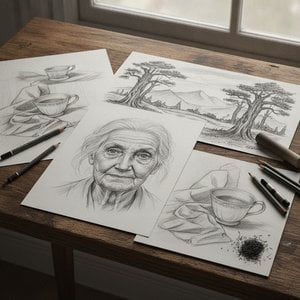
Explore the profound elegance of pencil and charcoal sketching. Discover how masters use line, shadow, and chiaroscuro to capture light and texture, bridging the gap between preparatory studies and timeless fine art masterpieces.

Explore the profound artistry of graphite drawing. Discover professional techniques for mastering depth, texture, and detail through a lens of art history, from classical sketches to modern masterpieces. Elevate your understanding of the pencil medium with our expert guide.

Explore the profound beauty of Academic Realism. Discover the technical mastery, historical significance, and timeless techniques that define this prestigious art movement through an expert-led guide for true classical art enthusiasts.

 Esikatselu
 Jaa
Jaa Jaa
Jaa
 Tarkemmat tiedot

 Lataa
Lataa
 Samanlaisia
 Röntgenkuva
 Diaesitys
 Näytä lisää




































 Lasivaihtoehto on saatavilla vain alle 110 cm kokoisina teoksina


