x
EsikatseluEsikatselu Esikatsele AR-tilassaEsikatsele AR-tilassa Osta printti Osta printtiOsta käsintehty maalaus Osta käsintehty maalaus JaaJaa
Tarkemmat tiedotTarkemmat tiedot Lisää suosikkeihin Lisää suosikkeihin LataaLataa SamanlaisiaSamanlaisia RöntgenkuvaRöntgenkuva DiaesitysDiaesitys

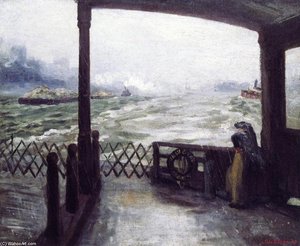
The Wrestler

Keltie Ferris’s "The Wrestler" presents a captivating and distorted scene with vibrant purple hues and abstracted figures, reflecting the artist's unique style and offering a compelling piece for art lovers to discover or own.

Keltie Ferris is an American abstract painter known for vibrant colors, gestural brushwork & large-scale canvases. Her work explores the intersection of painting & performance, challenging viewers to question perception in contemporary art.

Osta korkearesoluutioinen, parannettu digitaalikuva, joka on laadultaan huomattavasti parempi kuin verkkosivuston esikatselu.

Jokainen tiedosto valmistellaan huolellisesti omien asiantuntijoidemme toimesta käyttäen edistyneitä työkaluja ja ammattitaitoista manuaalista retusointia. Varmistamme, että jokaisessa kuvassa on poikkeuksellinen selkeys, tarkka värintoisto ja hienovaraiset yksityiskohdat.

Lopputiedosto toimitetaan sähköpostitse 72 tunnin kuluessa, ja se on optimoitu välittömään käyttöön ammattimaisissa, toimituksellisissa ja painoympäristöissä. Laatu on sama, johon huipputason suunnittelustudiot, kustantajat ja galleriat luottavat.

Digitaalinen kuva

Lataa korkearesoluutioinen tiedosto henkilökohtaiseen näyttelyyn, tulostamiseen ja luoviin projekteihin. (Osta printti Osta printtiOsta käsintehty maalaus Osta käsintehty maalaus)

Kokonaishinta

$ 24,90

Sisältyy jokaiseen digitaalisen kuvan tilaukseen

Asiantunteva digitaalinen toimitus, taattuun laatuun

Kun valitset WahooArt.com-palvelun, et saa vain kuvaa – saat ammattimaisesti parannetun digitaalisen taideteoksen, joka on luotu tarkkuudella ja jonka takaa tulee tyytyväisyystakuu. Tässä on kaikki, mitä tilauksesi sisältää, automaattisesti:

shipping_icon
Nopea digitaalinen toimitus

Korkearesoluutioinen digitaalinen kuvatiedostosi lähetetään sähköpostiisi 72 tunnin kuluessa tilauksesta – valmiina käytettäväksi välittömästi.

canvas_icon
Tekoälyllä parannettu digitaalinen tiedosto

Taiteilijasi teos on optimoitu ammattimaisesti edistyneiden tekoälytyökalujen ja manuaalisen muokkauksen avulla, mikä takaa maksimaalisen yksityiskohtaisuuden, selkeyden ja väritarkkuuden.

insurance_icon
Ilmainen elinikäinen uudelleenlähetyspalvelu

Oletko vahingossa poistanut tai kadottanut tiedostosi? Ei hätää – lähetämme sen sinulle uudelleen milloin tahansa täysin maksutta.

tax_icon
Ei tuontimaksuja – koskaan

Nauti taiteestasi välittömästi ilman tulleja, veroja tai toimitusmaksuja – digitaaliset lataukset ovat aina verovapaita.

color_icon
Värintoiston tarkkuustakuu

Varmistamme, että digitaalinen kuvasi vastaa alkuperäisiä värejä mahdollisimman tarkasti käyttämällä ammattilaistason työkaluja ja värinhallintaa.

return_icon
60 päivän tyytyväisyystakuu

Jos et ole tyytyväinen digitaaliseen kuvaasi, muokkaamme sitä tai palautamme 100% takaisin 60 päivän kuluessa – ilman kysymyksiä.

guarantee_icon
100% Rahat takaisin -takuu

Etkö ole tyytyväinen? Saat täyden hyvityksen 60 päivän kuluessa digitaalisen tiedostosi vastaanottamisesta – ilman kyselyitä.

discount_icon
Suurtilaaja-alennukset

Osta 3 kuvaa, säästä 10% - Osta 5, säästä 15% - Osta 10+, säästä 20%. Erinomainen valinta luoviin projekteihin, gallerioille ja toimistoille.

Pikaista tietoa

  • Notable elements: Purple, yellow, red
  • Subject or theme: Wrestling
  • Medium: Painting
  • Year: 2009
  • Artistic style: Abstract

A Visceral Portrait of Struggle: Keltie Ferris’s “The Wrestler”

Keltie Ferris's "The Wrestler" is not merely a depiction of a solitary figure; it’s an immersive exploration of vulnerability, resilience, and the lingering echoes of performance. Painted in 2009, this arresting work immediately draws the viewer into a world rendered with a deliberate ambiguity – a purple canvas punctuated by bursts of yellow and red that feel both chaotic and intensely focused. The distorted figures surrounding the central subject suggest a fragmented memory, perhaps reflecting the blurred lines between reality and the constructed persona of a professional wrestler.

Chromatic Intensity and Abstracted Form

Ferris’s technique is characterized by a bold use of color and an embrace of abstraction. The vibrant purple background isn't simply a backdrop; it actively participates in the narrative, potentially representing the emotional weight carried by the subject. The yellow and red accents – reminiscent of stage lighting or perhaps even the adrenaline rush of competition – heighten the dramatic tension. The abstracted forms of the surrounding individuals contribute to a sense of unease and disorientation, mirroring the psychological strain often associated with demanding physical labor and public performance. This approach aligns with a broader trend in contemporary art that challenges traditional representational accuracy, prioritizing emotional impact over photographic realism.

Symbolism of the Umbrella and the Figure

The inclusion of an umbrella within the composition is particularly intriguing. It could be interpreted as a shield against the harsh realities of the wrestler’s life – a protection from both physical blows and the judgmental gaze of the audience. Alternatively, it might symbolize the fleeting nature of fame and fortune, offering only temporary respite. The central figure itself embodies a stoic strength despite its apparent vulnerability. The posture, the weariness in the eyes (implied through the technique), speaks to years of grueling training and public exposure. It’s a portrait not just of a wrestler, but of someone who has endured.

Contextualizing Ferris's Work

Keltie Ferris emerged as an artist during a period of significant artistic experimentation, influenced by the rise of conceptual art and a renewed interest in exploring themes of identity and representation. While not directly aligned with Kehinde Wiley’s explicitly historical portraiture, Ferris shares a commitment to challenging conventional notions of beauty and heroism. Her work invites viewers to contemplate the hidden costs of ambition, the complexities of performance, and the enduring human need for connection – even within moments of isolation.


Taiteilijan elämäkerta

Kehinde Wiley: Reclaiming the Narrative Through Portraiture

Kehinde Wiley, born in 1977 in Los Angeles, California, is an American artist whose work has profoundly reshaped our understanding of portraiture and its role in reflecting contemporary society. His paintings are instantly recognizable for their vibrant colors, dynamic compositions, and, most significantly, the inclusion of Black subjects drawn from a rich tapestry of historical and cultural references. Wiley’s journey to becoming a celebrated voice in the art world is deeply intertwined with his family history, early artistic influences, and a conscious effort to challenge traditional notions of representation within the realm of fine art. Wiley's childhood was shaped by the resilience of his mother, Freddie Mae Wiley, who worked tirelessly as a thrift store operator to support her six children after Isaiah Obot, his father, returned to Nigeria following his studies. This experience instilled in Wiley a profound appreciation for hard work and resourcefulness, values that would later inform his artistic practice. Crucially, his mother enrolled him and his brother in art classes, providing them with an early opportunity to explore their creative potential – a pivotal moment that ignited a lifelong passion for painting. A brief but formative period spent studying at an art conservatory near St. Petersburg, Russia, further solidified Wiley’s interest in portraiture, exposing him to classical techniques and inspiring a desire to capture the essence of his subjects with remarkable skill.

Early Influences and Artistic Development

Wiley's artistic development was significantly influenced by Gordon Matta-Clark, a performance artist known for his interventions in urban landscapes. Matta-Clark’s practice of cutting into buildings—creating openings and voids within existing structures—resonated deeply with Wiley’s own approach to representation. Like Matta-Clark, Wiley sought to disrupt established norms and challenge conventional ways of seeing the world. He began experimenting with painting portraits of Black men, drawing inspiration from Old Master paintings – specifically those by artists like Rembrandt and Titian – but deliberately altering their compositions and settings to reflect contemporary life. This deliberate juxtaposition created a powerful dialogue between historical tradition and modern experience. Wiley’s early work was characterized by a meticulous attention to detail, painstakingly recreating the poses and attire of figures from classical paintings while simultaneously imbuing them with a distinctly Black identity.

Street Art Roots and a Shift in Perspective

Wiley's artistic journey took an unexpected turn when he moved to New York City at age 19. He initially began pasting his paper portraits onto the sides of buildings, mirroring the work of Swoon, another prominent street artist who was pioneering new forms of public art. This early experience with street art instilled in Wiley a deep understanding of how art could engage directly with communities and challenge established power structures. He adopted the moniker “Swoon,” reflecting his desire to create accessible art that resonated with everyday people. This shift towards street art marked a crucial turning point, allowing him to experiment with scale, materials, and public engagement while honing his skills as a portrait painter.

The Obama Portrait and Critical Recognition

Wiley’s career gained significant momentum in 2017 when he was commissioned by the Smithsonian Institution to paint Barack Obama's official presidential portrait. This monumental undertaking catapulted Wiley into the international spotlight, solidifying his reputation as a leading contemporary artist. The portrait itself is a masterful synthesis of historical reference and contemporary representation – drawing heavily on the style of Rembrandt while simultaneously capturing Obama’s charisma and authority. The painting was lauded for its nuanced portrayal of race, identity, and power, sparking widespread discussion about the role of art in shaping our perceptions of history and culture. Following this achievement, Wiley's work has been exhibited extensively at major museums around the world, including the Columbus Museum of Art and the Whitney Museum of American Art.

Themes and Legacy

At its core, Kehinde Wiley’s art is a powerful statement about representation and identity. He deliberately chooses to depict Black men in positions of power and authority – kings, warriors, and historical figures – challenging the long-standing exclusion of Black subjects from traditional portraiture. His paintings are not simply reproductions of Old Master works; they are reinterpretations that reclaim agency and celebrate Black beauty and strength. Wiley’s work has had a profound impact on the art world, inspiring a new generation of artists to explore themes of race, identity, and social justice through innovative and engaging forms of visual expression. He continues to push boundaries, using his art as a tool for dialogue and transformation, solidifying his place as one of the most important voices in contemporary American art.