A Life Immersed in Light and Society
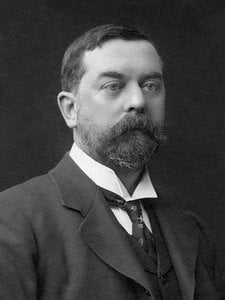
John Singer Sargent, nimi joka on synonyymi Gilded Age’lle ja sen loistokkaille muotokuville eleganssista, oli yhdysvaltalainen taidemaalari, joka vietti suurimman osan elämästään kehittäen taitojaan eurooppalaisten taiteilijoiden maailmassa. Hän syntyi Firenzessä, Italiassa, vuonna 1856 amerikkalaisten ulkomaalaistensa Fitzwilliam ja Mary Newbold Sargentin poikana, ja hänen lapsuutensa oli mitä muakaan kuin perinteinen. Perheen nomadihenkinen elämä – jatkuvat matkat Ranskan, Saksan, Italian ja Sveitsin läpi – antoivat nuorelle Johnille kosmopoliittisen asenteen ja varhaisen altistumisen Euroopan taiteellisten aarteiden maailmalle. Sen sijaan että hän olisi saanut perinteistä koulutusta, hänen opintonsa kukoistivat museoissa ja muinaisissa kirkoissa, luoden visuaalisen lukutaidon, joka muokkasi syvästi hänen taiteellista näkemystään. Tämä nomadihenkinen lapsuus, vaikka se puuttui perinteisestä rakenteesta, tarjosi rikkaita kulttuurielämyksiä, jotka ruokivat hänen kehittyvää lahjakkuuttaan. Hänen isänsä, lääkäri, ja äitinsä, harrastelija taiteilija, kannustivat hänen intohimoaan, tunnistaen varhain pojan huomattavan havaintokyvyn. Oli selvää jo nuoresta iästä lähtien, että Johnin polku ei johtaisi lääketieteeseen tai muihin perinteisiin urille, vaan taiteen pariin.
From Parisian Atelier to Portrait Master
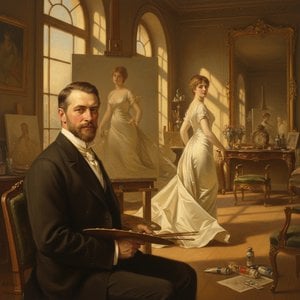
Vuonna 1874, ollessaan kahdeksantoista vuotta vanha, Sargent aloitti merkittävän vaiheen taiteellisessa kehityksessään siirtymällä Carolus-Duranin Pariisin atelieriin. Tämä valmentajuus osoittautui mullistavaksi. Duranin korostama *suora maalaustekniikka* – tekniikka, joka jätti esitöiden piirustukset vähemmälle ja keskitti huomion välittömään maalipinnan levitykseen – hioivat Sargentin jo vaikuttavaa teknistä taitoa ja antoivat hänelle hämmästyttävän kyvyn vangita muotokuvien samankaltaisuudet nopeasti ja tarkasti. Se oli vallankumouksellinen lähestymistapa, joka kannusti rohkeutta ja spontaanisuutta, ja se tuli Sargentin tyylin tunnusmerkiksi. Hän omaksui opettajansa opetukset täysin, mestaroiden taidon vangita ei vain fyysinen samankaltaisuus vaan myös muotokuvien henkilöiden olemus. Samanaikaisesti hän ilmoittautui École des Beaux-Artsiin, mikä paranteli hänen taitojaan piirtämisessä valulähteistä ja malleista. Kuitenkin espanjalaisten mestarien, kuten Velázqúen, vaikutus matkalla Espanjaan vuonna 1879 sytytti Sargentin taiteellisen mielikuvituksen tulipaloon. Hän ihaili Velázqúen mestarillista valon, siveltimen ja psykologisen näkökulman hallintaa – piirteitä, joita hän pyrki jäljittelemään koko uransa ajan. Hänestä tuli kiinnostunut hänen tyylinsä kehittämisestä, joka yhdisti Velázqúen dramaattisen valon käyttöä ja tarkkaa havaintoa.
Navigating Fame, Scandal, and Artistic Evolution
Sargent sai nopeasti suuren suosion muotokuvamaalarina Pariisin piireissä ja houkutteli komissioita kaupungin eliittien keskuudesta. Kuitenkin hänen nousunsa ei ollut ilman haasteita. *Madame X*:n (Pierre Gautreaun rouva) esittely Salonissa vuonna 1884 aiheutti skandaalin, joka uhkasi horjuttaa hänen kohoavaa uraansa. Maalauksen rohkea kuvaus Virginie Amélie Avegno Gautreaun, aikansa kuuluisan seurapiirikauniin naisen, paljas asento ja pudonnut nauha olivat liian provosoivia Pariisin yhteiskunnan mielestä. Vaikka Sargent maalasi nauhan uudelleen myöhemmin, vahinko oli jo tehty. Hämmentyneenä skandaalista hän muutti Lontooseen vuonna 1886, jossa löysi vastaanottavamman yleisön taiteilleen. Lontoossa hän jatkoi muotokuvien maalaamista varakkaiden ja vaikutusvaltaisten ihmisten keskuudessa, vangiten Edwardian aikakauden sosiaalisen dynamiikan ja loisteliaan ilmeen poikkeuksellisen taitavasti. Kuitenkin Sargentin taiteelliset pyrkimykset ulottuivat muotokuvien rajojen ulkopuolelle. Hän kaipasi luovuutta ja omisti yhä enemmän aikaa maisemamaalauksiin ja ulkotöihin, omaksuttaen impressionistisen tyylin, joka oli tunnusomaista löysälle siveltimelle, eloisille väreille ja valon ja tunnelman vangitsemiseen hetkessä. Nämä maisemat paljastavat toisen puolen Sargentista – sellaisen, joka ei ollut kiinnostunut sosiaalisesta asemasta vaan oli herkempi luonnon kauneudelle.
A Lasting Legacy: Beyond Portraiture
Vaikka hän on tunnettu "vuosikymmenen merkittävimpänä muotokuvamaalarina", John Singer Sargentin taiteellinen perintö ulottuu paljon hänen mestarillisten kuvauksien ulkopuolelle. Hänen merkittävänsä teoksensa, kuten *El Jaleo*, dynaaminen kuva espanjalaisista flamencodanssareista ja *Carnation, Lily, Lily, Rose*, rauhallinen kuva kahdesta nuoresta tytöstä englantilaisessa puutarhassa, osoittavat hänen monipuolisuutensa ja teknistä lahjakkuuttaan. Myöhemmin elämässään hän aloitti kunnianhimokkaita seinämaalausprojekteja, mukaan lukien Bostonin julkisen kirjaston monumentaalinen sarja, joka osoitti hänen kykyään muuntaa taiteellinen näkemys suurelle mittakaavalle. Hänen vaikutuksensa voidaan nähdä myöhemmän sukupolven taiteilijoiden töissä, jotka ihailevat hänen teknistä taitoaan, rohkeaa siveltintä ja kykyään vangita sekä fyysinen samankaltaisuus että psykologinen syvyys. Hänen aiemmin huomionarvoisista miesnäkymistä paljastettiin 1980-luvulla, mikä laajensi ymmärrystämme Sargentin taiteellisesta laajuudesta ja paljasti monimutkaisemman ja vivahteikkaamman taiteilijan kuin aiemmin ajateltu. *Hänen maalauksensa jatkavat kiinnostavansa yleisöjä ympäri maailmaa*, tarjoamalla kiehtovan näkymän menneeseen aikaan samalla kun ne ylittävät ajan taiteellisen kauneuden ja teknisen mestaruuden avulla. Hän on epäilemättä yksi merkittävimmistä amerikkalaisista taiteilijoista hänen sukupolmansa aikana, jonka työ inspiroi ja provosoi ihailua edelleen.
Influences and Artistic Kinships
- Carolus-Duran: Hänen opettajansa, joka opetti hänelle suora maalaustekniikkaa ja kannusti spontaanisuuteen.
- Diego Velázquez: Sargent ihaili Velázqúen mestarillista valon, siveltimen ja psykologisen näkökulman hallintaa erityisesti espanjalaisissa teoksissaan.
- Impressionismi: Impressionistien korostus hetkaisten hetkien vangitsemisessa ja tunnelman luomisessa vaikutti syvästi hänen maisemamaalauksiinsa, mikä johti löysempään ja ilmaisuvoimakkaampaan tyyliin.
- James Abbott McNeill Whistler: Sargent jakoi Whistlerin kanssa kiinnostuksen estetiikkaan ja taiteen "taiteensa puolesta" -periaatteeseen, mikä vaikutti hänen lähestymiseensä komposiitioihin ja väreihin.



 Esikatselu
 Vaihda tulosteeseen
 Jaa
Jaa Jaa
Jaa
 Tarkemmat tiedot

 Lataa
Lataa
 Samanlaisia
 Röntgenkuva
 Diaesitys
 Tilastot

 Näytä lisää






































 Lasivaihtoehto on saatavilla vain alle 110 cm kokoisina teoksina