Esikatselu Esikatsele AR-tilassa Osta käsinmaalattu taideteos Siirry digitaaliseen kuvaan Jaa teos
Tiedot Opas Lisää suosikkeihin Lataa kuva Samanlaisia kohteita Röntgenkuvaus Diaesitys Q&A Tilastot

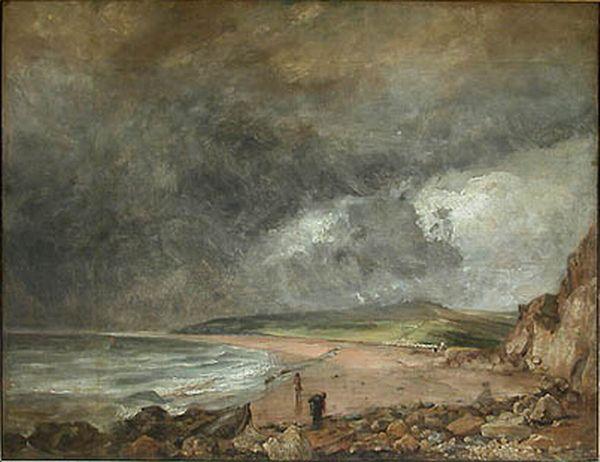
Weymouth Bay with Approaching Storm

Experience the raw power of a gathering tempest in John Constable's Weymouth Bay with Approaching Storm, a Romantic masterpiece capturing nature's untamed beauty, now available to bring dramatic elegance to your collection.

John Constable (1776–1837) oli brittiläinen maalaustaideilija, joka loi tunnettuja englantilaisia maisemia ja kuvasi luonnon tunteita. Tutustu ikonisiin teoksiin!

Giclée- ja taideprintit

Museolaatuisia giclée- tai kankaitaulun tulosteita nopealla tuotannolla ja joustavilla viimeistelyvaihtoehdoilla. ( Osta käsinmaalattu taideteos Siirry digitaaliseen kuvaan)

Corner sample of the P118B picture frame: valettu polystyreeni, 5 cm wide and 3 cm thick
P118B €10
Corner sample of the P118H picture frame: valettu polystyreeni, 5 cm wide and 3 cm thick
P118H €10
Corner sample of the P118W picture frame: valettu polystyreeni, 5 cm wide and 3 cm thick
P118W €10
Corner sample of the P438Z picture frame: valettu polystyreeni, 5.5 cm wide and 3.5 cm thick
P438Z €10
Corner sample of the P508JH picture frame: valettu polystyreeni, 7 cm wide and 3.5 cm thick
P508JH €12
Corner sample of the P508YH picture frame: valettu polystyreeni, 7 cm wide and 3.5 cm thick
P508YH €12
Corner sample of the P805H picture frame: valettu polystyreeni, 5 cm wide and 3.5 cm thick
P805H €10
Corner sample of the P805Z picture frame: valettu polystyreeni, 5 cm wide and 3.5 cm thick
P805Z €10
Corner sample of the P919BZ picture frame: valettu polystyreeni, 7 cm wide and 3.5 cm thick
P919BZ €10
Corner sample of the P919G picture frame: valettu polystyreeni, 7 cm wide and 3.5 cm thick
P919G €10
Corner sample of the P919XJ picture frame: valettu polystyreeni, 7 cm wide and 3.5 cm thick
P919XJ €10
Corner sample of the P959ZH picture frame: valettu polystyreeni, 5 cm wide and 3 cm thick
P959ZH €10
Corner sample of the P968JZ picture frame: valettu polystyreeni, 6 cm wide and 4 cm thick
P968JZ €12
Corner sample of the W106C picture frame: massiivipuu, 5 cm wide and 3 cm thick
W106C €8
Corner sample of the W218G picture frame: massiivipuu, 5 cm wide and 3 cm thick
W218G €10
Corner sample of the W218JH picture frame: massiivipuu, 5 cm wide and 3 cm thick
W218JH €8
Corner sample of the W218Y picture frame: massiivipuu, 5 cm wide and 3 cm thick
W218Y €10
Corner sample of the W307PJ picture frame: massiivipuu, 6 cm wide and 3 cm thick
W307PJ €10
Corner sample of the W316G picture frame: massiivipuu, 6 cm wide and 3 cm thick
W316G €10
Corner sample of the W316PJ picture frame: massiivipuu, 6 cm wide and 3 cm thick
W316PJ €8
Corner sample of the W316Y picture frame: massiivipuu, 6 cm wide and 3 cm thick
W316Y €10
Corner sample of the W398PJ picture frame: massiivipuu, 5 cm wide and 3 cm thick
W398PJ €8
Corner sample of the W4111J picture frame: massiivipuu, 6.5 cm wide and 3.5 cm thick
W4111J €10
Corner sample of the W500HY picture frame: massiivipuu, 7 cm wide and 5 cm thick
W500HY €15
Corner sample of the W500JH picture frame: massiivipuu, 7 cm wide and 5 cm thick
W500JH €15
Corner sample of the W692G picture frame: massiivipuu, 8 cm wide and 4 cm thick
W692G €12
Corner sample of the W849H picture frame: massiivipuu, 5 cm wide and 3 cm thick
W849H €8
Corner sample of the W940BG picture frame: massiivipuu, 7.5 cm wide and 4.5 cm thick
W940BG €15
Corner sample of the W953PJ picture frame: massiivipuu, 6 cm wide and 3.5 cm thick
W953PJ €8

Vakiokoko
räätälöity
CM
INCH

Valitse valmiista mitoistamme sellaiset, jotka vastaavat teoksen alkuperäisiä mittasuhteita.

leveys
korkeus

Syötä tarvitsemasi leveys ja korkeus, jotta tuloste sopii kehyksiisi tai seinällesi. Tulostetta voidaan vain leikata, sitä ei voida koskaan suurentaa alkuperäistä kuvaa suuremmaksi, joten eri muotoinen koko aiheuttaa osan kuvasta katoamisen. Lähetämme sinulle digitaalisen mallikuvan hyväksyttäväksi ennen kuin aloitamme tulostuksen. Tällä sivulla näkyvä kuva ei näytä lopullista rajausta — vain mallikuva näyttää sen.

Maailmanlaajuinen toimitus () 2 viikossa tavallisen 4–5 viikon sijaan. (30 lokakuu)

Ilmainen pikatoimitus ympäri maailman
Korkealaatuinen pellavakangas
Kattava kuljetusvakuutus
Tulliveron palautustakuu
Takuu täydellisestä värien vastaavuudesta
100 päivän palautusoikeus (vain valmistusvirheet)
100% rahat takaisin -takuu
Määräalennus tarjolla

Kokonaishinta

€ 60

Weymouth Bay with Approaching Storm

Giclée- ja taideprintit

Replikaatin koko

-

Kokonaishinta

€ 60

Pikaista tietoa

  • notable elements: Turbulent water, crashing waves, dark clouds, chiaroscuro
  • style: Landscape painting, Seascape
  • location: Louvre, Paris (one version); National Gallery, London (another version)
  • movement: Romanticism
  • subject: Seascape, approaching storm, coastal view

Taidevisat

Jokaisessa kysymyksessä on vain yksi oikea vastaus.

Kysymys 1:
John Constable is most renowned for his paintings of what type of scenery?
Kysymys 2:
What artistic technique does the description highlight as being prominently used in 'Weymouth Bay with Approaching Storm' to create depth and drama?
Kysymys 3:
To what art movement is John Constable generally associated?
Kysymys 4:
The painting depicts a scene with an approaching storm. What mood or feeling does the artist evoke through this depiction?
Kysymys 5:
According to the provided information, where can versions of 'Weymouth Bay with Approaching Storm' be found?

A Tempestuous Vision: Unveiling John Constable’s ‘Weymouth Bay with Approaching Storm’

John Constable stands as a titan of Romantic landscape painting, celebrated for his deeply personal and evocative depictions of the English countryside. While often associated with the tranquil scenes of Suffolk, *‘Weymouth Bay with Approaching Storm’* reveals another facet of his genius – a masterful ability to capture the raw power and dramatic beauty of the sea. This work isn't merely a seascape; it is an emotional experience rendered in oil paint.

Decoding the Scene: Subject & Composition

The painting presents a dynamic view of Weymouth Bay, Dorset, as a storm gathers on the horizon. Unlike idealized depictions of calm seas, Constable confronts us with nature’s untamed energy. The composition is skillfully balanced between the expansive sky dominating the upper portion and the turbulent waters below. Figures populate the beach – small in scale relative to the vastness of their surroundings – suggesting both humanity's connection to, and vulnerability before, the forces of nature. A distant boat adds a sense of scale and hints at the perils faced by those who venture onto the water.

Constable’s Technique: Brushwork & Palette

Constable’s signature technique is brilliantly on display here. His brushwork is loose, expressive, and remarkably fluid, particularly in his rendering of the waves and clouds. He doesn't strive for photographic realism but rather seeks to convey *the feeling* of a storm brewing. The artist employs a nuanced palette, dominated by greys, blues, and whites, punctuated by darker tones that foreshadow the approaching tempest. This masterful use of chiaroscuro – the dramatic contrast between light and dark – creates depth, atmosphere, and heightens the emotional impact of the scene.

Historical Context & Romantic Sensibilities

Painted between 1816-1817 during his honeymoon in Osmington, near Weymouth, this work reflects the core tenets of the Romantic movement. Rejecting the Neoclassical emphasis on order and reason, Romantics prioritized emotion, intuition, and the sublime power of nature. Constable’s painting embodies these ideals; it's not simply a representation of a coastal scene but an exploration of awe, fear, and the overwhelming grandeur of the natural world. It also demonstrates his departure from traditional marine painting conventions, focusing on atmospheric effects rather than precise topographical detail.

Symbolism & Emotional Resonance

The approaching storm can be interpreted as symbolic of life’s inevitable challenges and uncertainties. The small figures on the beach represent humanity's resilience in the face of adversity. Constable doesn’t offer a comforting or idyllic vision; instead, he presents an honest portrayal of nature’s ambivalent power – beautiful yet potentially destructive. *‘Weymouth Bay with Approaching Storm’* evokes feelings of both trepidation and exhilaration, reminding us of our place within the larger cosmic order.

A Timeless Masterpiece for Today's Spaces

This painting is more than just a historical artifact; it’s a powerful work of art that continues to resonate with contemporary audiences. Its dramatic composition and evocative atmosphere make it an ideal focal point for any interior space. The cool tones and dynamic energy would complement modern or traditional décor, adding depth and sophistication. A high-quality reproduction from WahooArt allows you to bring the emotional power and artistic brilliance of Constable’s masterpiece into your home.
  • Ideal for living rooms, studies, or hallways seeking a touch of dramatic elegance.
  • Complements both contemporary and traditional interior design styles.
  • A conversation starter that invites contemplation and appreciation of the natural world.

Kysymykset ja vastaukset

Onko John Constable:n "Weymouth Bay with Approaching Storm" tunnettu teos?

"Weymouth Bay with Approaching Storm" on luokiteltu kategoriaan Iconic.

Mikä hallitseva sävy lävistää teoksen John Constable:n "Weymouth Bay with Approaching Storm"?

Teoksen John Constable:n "Weymouth Bay with Approaching Storm" hallitseva sävy on Green to Violet Spectrum. Tämä sävy toimii paletin perusvärinä.

Mistä maasta Romantic Landscape Painting-tyylinen teos "Weymouth Bay with Approaching Storm" on peräisin?

Weymouth Bay with Approaching Storm on John Constable tekemä teos, joka on syntynyt Romantic Landscape Painting-suuntauksen vaikutuksesta; taiteilija on kotoisin Iso-Britannia. Taiteilijan alkuperä yhdistää teoksen Romantic Landscape Painting-tyyliin, jota Iso-Britannia-maasta kotoisin olevat taiteilijat edustavat.


Taiteilijan elämäkerta

A Life Rooted in the English Landscape

John Constable, syntynyt vuonna 1776 idyllisessä Suffolkin kylässä East Bergholtiin, ei ollut pelkästään maisemapeilaaja; hän oli maan runoilija, kääntäen sen hienovaraiset tunnelmat ja ikuisen kauneuden maalipinnoille ennennäkemättömällä tunteellisuudella. Hänen isänsä, menestyvä maataloustuottaja, joka omisti sekä Dedham Valea että joita Stour-joen varrella sijaitsevia myllyjä, ei ainoastaan tarjonnut taloudellista turvaa vaan myös itse aihetta, josta Constable määrittelisi taiteellisen elämänsä. Tämä varhainen sukellus maaseudun maailmaan – hitaan rytmin maatalouden elämälle, muuttuvan valon kentille ja veteen, luonnon intiimien yksityiskohtien – oli syvästi kaiverrettu hänen aivokuvansa sisään. Vaikka hänet oli alun perin määrätty seuraamaan isänsä liiketoimintaa, intohimo taiteeseen, joka oli ruuktuutunut paikallisten suojelijoiden, kuten George Beaumontin, kautta – joka esitteli hänelle Clauden Lorrainin teoksia – ohjasi lopulta hänet eri polulle. Constablen taiteellinen matka ei ollut välitön; se oli hidas ja asteittainen kehitys, muotoiltu huolellisella tarkkailulla ja jatkuvalla halulla vangita ei *mitä* hän näki, vaan *kuinka* siitä tuntui olevan läsnä maaseudussa.

Breaking with Convention: A New Vision of Nature

Constablen taiteellinen kehitys oli merkittävää harkitun hylkäyksen suhteen vallitseviin akateemisiin konventioihin. Hän oli pettynyt idealisoituihin ja usein teatraalisiin maisemiin, joita suositti Royal Academy, ja etsi sen sijaan totuudenmukaisen esityksen luonnosta, täynnä henkilökohtaista tunnetta. Häntä ei kiinnostanut suurikokoiset historialliset tarinat tai myyttiset kohtaukset; hänen keskittymisensä pysyi lujasti tuttujen maaseutojen ympärillä. Tämä sitoutuminen tavallisten aiheiden kuvaamiseen – heinänkärryt, maatilat, kyläelämä – kohosi aluksi kritiikin kohteeksi, koska ihmiset katsoivat hänen työnsä olevan liian arkista ja puuttuvaa kunnianhimoa. Silti Constable kesti, ohjautuen vakaumuksella, että kauneus löytyy jokapäiväisestä elämästä. Hän pioneeroi *plein air* -maalaustekniikan, lähtien ulos suoraan tarkkailemaan ja vangitsemaan valon ja sään hetkellisiä vaikutuksia. Tämä suora vuorovaikutus luonnon kanssa mahdollisti hänelle maalattujen pintojen täyttämisen välittömyydellä ja eloisuudella, joka oli aiemmin näkemätöntä brittiläisessä maisemamaalauksessa. Hänen siveltimenkäyttönsä muuttui yhä löysäksi ja ekspressiivisemmaksi, käyttäen *impasto*a – paksuja kerroksia maalia – luomaan tekstuurin ja välittämään tunteen liikkeestä ja tunnelmasta. Hän ei ainoastaan tallentanut sitä, mitä hän näki; hän muutti oman tunteensa maan sisään pääsystä visuaaliseksi muodoksi.

Iconic Works and Lasting Influence

Constablen ikonisin teokset ovat todiste hänen ainutlaatuisesta visiostaan. The Hay Wain (1821), ehkä hänen kuuluisimman maalauksensa, kuvaa quintessential rural -näkyä Stour-joen varrella, vangiten maatalouden elämän rauhan ja harmoniaa. Hadleigh Castle (1829) esittelee hänen dramaattista valon ja tunnelmien käyttöään, muuttaen rapistuneen linnan voimakkaaksi symboliksi ajan kulumisesta. Salisbury Cathedral -sarja (1831), jossa kuvataan katedraalia luonnollisen maiseman osana, demonstroi hänen taitoaan herättää erilaisia mielialoja ja aikoja vuorokaudessa. Netley Abbey (1824), jossa esitetään ihmisen luomuksen ja villin kauneuden yhdistelmää, on esimerkki hänen taidoistaan yhdistää arkkitehtoninen loisto luonnon ympärille. Vaikka Constable kohtasi aluksi vastustusta Englannissa, hän saavutti merkittävää arvostusta Ranskassa, jossa hänen innovatiiviset tekniikkansa ja henkilökohtainen tunteellisuus resonoi syvästi taiteilijoiden kanssa, jotka etsivät luonnollisempaa lähestymistapaa maisemamaalaukseen. Hän vaikutti merkittävästi Barbizon-kouluun, ryhmään ranskalaisia taiteilijoita, jotka jakavat hänen sitoutumisensa *plein air* -maalaustekniikkaan ja luonnon suoraan tarkkailuun.

Personal Life & Final Years

Constablen henkilökohtainen elämä oli merkittävää sekä iloa että surua. Hän avioliitti Maria Bicknellin kanssa vuonna 1816, ja heillä oli seitsemän lasta, vaikka useampi kuoli varhain. Hänen avioliitonsa tarjosi hänelle tunnetta, mutta myös taloudellista rasitusta. Hänet valittiin Royal Academyn jäseneksi vuonna 1829, ja hän kohtasi edelleen kritiikkiä joiltakin osapuolilta, erityisesti hänen epätavanomaisista tekniikoistaan. Hänen myöhemmät vuotensa varjoivat Mariaa, jonka terveys heikkeni ja kuoli vuonna 1828, tapahtuma, joka vaikutti häneen syvästi. Vaikka hän kohtasi näitä vaikeuksia, Constable pysyi omistautuneena taiteelleen, jatkaen maalaamista kuolemaansa marraskuussa 31, 1837. Hän jätti jälkeensä rikkaasti taiteellisen perinnön – todisteen hänen väsymättömästä sitoutumisestaan ​​englannin kauniin ja tunteellisesti resonanssin luonnon kuvaamiseen. Hänen maalauksensa ovat edelleen voimakkaita evästajoja menneestä ajasta, kutsuen katsojia kokemaan maiseman hänen ainutlaatuisen herkkyytensä kautta.
John Constable

John Constable

1776 - 1837 , Iso-Britannia

Pähkinänkuoressa

  • Artistic Movement Or Style: Romantiikka
  • Artists Or Movements Influenced By This Artist: ['Barbizon School']
  • Artists Who Influenced This Artist:
    • Claude Lorrain
    • Ruisdael
  • Date Of Birth: 11. kesäkuuta 1776
  • Date Of Death: 31. maaliskuuta 1837
  • Full Name: John Constable
  • Nationality: Brittiläinen
  • Notable Artworks:
    • Näköala Highgate Hillistä
    • Pilviasutus, Hampden
    • Salisbury Cathedral
  • Place Of Birth: East Bergholt, UK
Tutustu teoksiin, jotka on järjestetty aiheiden, tyylien ja ominaisuuksien mukaan.