Taiteilijan elämäkerta
A Life Rooted in the English Landscape
John Constable, syntynyt vuonna 1776 idyllisessä Suffolkin kylässä East Bergholtiin, ei ollut pelkästään maisemapeilaaja; hän oli maan runoilija, kääntäen sen hienovaraiset tunnelmat ja ikuisen kauneuden maalipinnoille ennennäkemättömällä tunteellisuudella. Hänen isänsä, menestyvä maataloustuottaja, joka omisti sekä Dedham Valea että joita Stour-joen varrella sijaitsevia myllyjä, ei ainoastaan tarjonnut taloudellista turvaa vaan myös itse aihetta, josta Constable määrittelisi taiteellisen elämänsä. Tämä varhainen sukellus maaseudun maailmaan – hitaan rytmin maatalouden elämälle, muuttuvan valon kentille ja veteen, luonnon intiimien yksityiskohtien – oli syvästi kaiverrettu hänen aivokuvansa sisään. Vaikka hänet oli alun perin määrätty seuraamaan isänsä liiketoimintaa, intohimo taiteeseen, joka oli ruuktuutunut paikallisten suojelijoiden, kuten George Beaumontin, kautta – joka esitteli hänelle Clauden Lorrainin teoksia – ohjasi lopulta hänet eri polulle. Constablen taiteellinen matka ei ollut välitön; se oli hidas ja asteittainen kehitys, muotoiltu huolellisella tarkkailulla ja jatkuvalla halulla vangita ei *mitä* hän näki, vaan *kuinka* siitä tuntui olevan läsnä maaseudussa.
Breaking with Convention: A New Vision of Nature
Constablen taiteellinen kehitys oli merkittävää harkitun hylkäyksen suhteen vallitseviin akateemisiin konventioihin. Hän oli pettynyt idealisoituihin ja usein teatraalisiin maisemiin, joita suositti Royal Academy, ja etsi sen sijaan totuudenmukaisen esityksen luonnosta, täynnä henkilökohtaista tunnetta. Häntä ei kiinnostanut suurikokoiset historialliset tarinat tai myyttiset kohtaukset; hänen keskittymisensä pysyi lujasti tuttujen maaseutojen ympärillä. Tämä sitoutuminen tavallisten aiheiden kuvaamiseen – heinänkärryt, maatilat, kyläelämä – kohosi aluksi kritiikin kohteeksi, koska ihmiset katsoivat hänen työnsä olevan liian arkista ja puuttuvaa kunnianhimoa. Silti Constable kesti, ohjautuen vakaumuksella, että kauneus löytyy jokapäiväisestä elämästä. Hän pioneeroi *plein air* -maalaustekniikan, lähtien ulos suoraan tarkkailemaan ja vangitsemaan valon ja sään hetkellisiä vaikutuksia. Tämä suora vuorovaikutus luonnon kanssa mahdollisti hänelle maalattujen pintojen täyttämisen välittömyydellä ja eloisuudella, joka oli aiemmin näkemätöntä brittiläisessä maisemamaalauksessa. Hänen siveltimenkäyttönsä muuttui yhä löysäksi ja ekspressiivisemmaksi, käyttäen *impasto*a – paksuja kerroksia maalia – luomaan tekstuurin ja välittämään tunteen liikkeestä ja tunnelmasta. Hän ei ainoastaan tallentanut sitä, mitä hän näki; hän muutti oman tunteensa maan sisään pääsystä visuaaliseksi muodoksi.
Iconic Works and Lasting Influence
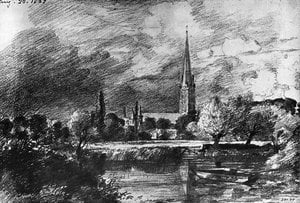
Constablen ikonisin teokset ovat todiste hänen ainutlaatuisesta visiostaan. The Hay Wain (1821), ehkä hänen kuuluisimman maalauksensa, kuvaa quintessential rural -näkyä Stour-joen varrella, vangiten maatalouden elämän rauhan ja harmoniaa. Hadleigh Castle (1829) esittelee hänen dramaattista valon ja tunnelmien käyttöään, muuttaen rapistuneen linnan voimakkaaksi symboliksi ajan kulumisesta. Salisbury Cathedral -sarja (1831), jossa kuvataan katedraalia luonnollisen maiseman osana, demonstroi hänen taitoaan herättää erilaisia mielialoja ja aikoja vuorokaudessa. Netley Abbey (1824), jossa esitetään ihmisen luomuksen ja villin kauneuden yhdistelmää, on esimerkki hänen taidoistaan yhdistää arkkitehtoninen loisto luonnon ympärille. Vaikka Constable kohtasi aluksi vastustusta Englannissa, hän saavutti merkittävää arvostusta Ranskassa, jossa hänen innovatiiviset tekniikkansa ja henkilökohtainen tunteellisuus resonoi syvästi taiteilijoiden kanssa, jotka etsivät luonnollisempaa lähestymistapaa maisemamaalaukseen. Hän vaikutti merkittävästi Barbizon-kouluun, ryhmään ranskalaisia taiteilijoita, jotka jakavat hänen sitoutumisensa *plein air* -maalaustekniikkaan ja luonnon suoraan tarkkailuun.
Personal Life & Final Years
Constablen henkilökohtainen elämä oli merkittävää sekä iloa että surua. Hän avioliitti Maria Bicknellin kanssa vuonna 1816, ja heillä oli seitsemän lasta, vaikka useampi kuoli varhain. Hänen avioliitonsa tarjosi hänelle tunnetta, mutta myös taloudellista rasitusta. Hänet valittiin Royal Academyn jäseneksi vuonna 1829, ja hän kohtasi edelleen kritiikkiä joiltakin osapuolilta, erityisesti hänen epätavanomaisista tekniikoistaan. Hänen myöhemmät vuotensa varjoivat Mariaa, jonka terveys heikkeni ja kuoli vuonna 1828, tapahtuma, joka vaikutti häneen syvästi. Vaikka hän kohtasi näitä vaikeuksia, Constable pysyi omistautuneena taiteelleen, jatkaen maalaamista kuolemaansa marraskuussa 31, 1837. Hän jätti jälkeensä rikkaasti taiteellisen perinnön – todisteen hänen väsymättömästä sitoutumisestaan englannin kauniin ja tunteellisesti resonanssin luonnon kuvaamiseen. Hänen maalauksensa ovat edelleen voimakkaita evästajoja menneestä ajasta, kutsuen katsojia kokemaan maiseman hänen ainutlaatuisen herkkyytensä kautta.



 Esikatselu
 Switch to Print
 Jaa
Jaa Jaa
Jaa
 Tarkemmat tiedot

 Lataa
Lataa
 Samanlaisia
 Röntgenkuva
 Diaesitys
 Stats
Stats


 Näytä lisää






































 Lasivaihtoehto on saatavilla vain alle 110 cm kokoisina teoksina