Jean-Baptiste Greuze: Elämä ja Taide Sentimentin Aikakaudella
Jean-Baptiste Greuze, syntynyt Tournuksen rauhallisessa Burgundian kylässä vuonna 1725, nousi merkittäväksi hahmoon 1700-luvun ranskalaisessa taiteessa. Hänen tarinansa on ihmeellinen nousu, joka perustuu luontaisen kyvyn tuntea ihmisten tunteita ja ymmärryksen kasvavasta sentimentaalisen maun aikakaudesta. Aluksi hänen isänsä, kattoasentaja, vastusti poikansa taiteen pyrkimyksiä, mutta riitojen jälkeen Greuze sai luvan seurata isänsä jalanjälkiä ja opiskella taidetta. Ensimmäinen mentorinsa oli Lyonissa asuva Grandon, joka tunnisti nuoren miehen lahjakkuuden ja kannusti häntä kehittämään sitä. Tämä ohjaus osoittautui ratkaisevaksi, sillä Greuze pääsi opiskelemaan ensin Lyonnaiseessa ja sitten Pariisin akatemiassa Charles-Joseph Natoiren johdolla. Juuri näissä kunniakkaissa saleissa Greuze alkoi hioa taitojaan, vaikka hän myös poikkesi akatemian yleisestä painotuksesta historiallisten ja mytologisten aiheiden suhteen.
Genre-maalauksen Synty
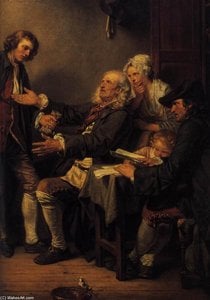
Greuzen läpimurto tapahtui vuonna 1755 maalauksella *Le Père de famille expliquant la Bible à ses enfants* (Isä selittää Raamattua lapsilleen). Tämä teos ei ollut pelkästään kodin elämän kuvausta; se oli valistuksen aikakauden ihanteiden ilmentymä, joka kuvasi perheen pylyvyyttä ja moraalioppia. Maalaus resonoi syvästi aikansa yleisön kanssa, vangiten porvarillisen rehellisyyden henkeä, joka oli saanut yhä enemmän jalansijaa. Teos hankittiin keräilijän Ange-Laurent de La Live de Jullyn hienoon kokoelmaan, mikä nosti Greuzen maineeseen. Hän jatkoi menestykseänsä tekemällä genre-maalauksia – intiimejä kuvauksia arkielämästä, jotka olivat täynnä tunteita ja moraalisia pohdintoja. Italiaan matka vuonna 1755, jonka hän teki abbin Louis Gougenotin kanssa, laajensi hänen taiteellisia horisonttejaan, vaikka hän lopulta löysi enemmän inspiraatiota Ranskan yhteiskunnan todellisuudesta kuin klassisen antiikin ihanteista. Hänen kykynsä herättää aitoja tunteita – iloa, surua, katumusta – erotti hänet monista aikalaistensa keskuudessa ja vakiinnutti hänen asemansa johtavana hahmona nousevassa Rokoko-tyylissä, vaikka hänellä oli myös selkeä moraalisesti ohjattu näkökulma.
Tunneiden Maalaaminen ja Moraalinen Tarinankerronta
Greuzen taiteellinen vahvuus piirtyi kykyynsä kertoa tarinoita maalauksilla. Teokset, kuten *La Jeune Fille qui pleure son oiseau mort* (Nuori tyttö itkee kuolleen lintun puolesta) ja *Savoyard with a Dancing Doll* eivät ole pelkästään lapsen kuvauksia; ne ovat ihmiskokemusten tutkimuksia, jotka käsittelevät tunteita ja moraalisia pohdintoja. Hänellä oli poikkeuksellinen lahjakkuus vangita hienovaraisia ilmeitä, välittää sisäistä kamppailua huomattavalla herkkyydellä. Teostensa kompositiot olivat usein huolellisesti suunniteltuja, hyödyntäen dramaattista valaistusta ja tunteellisesti ilmaisuvoimaisia eleitä tunteiden voimistamiseksi. Denis Diderot, Valistuksen aikakauden merkittävä filosofi ja taiteilija, kannusti Greuzen teoksia innokkaasti, kehuen hänen kykyään kuvata "moraalia maalauksessa". Tämä menestys kuitenkin loi artistille dilemman. Hän pyrki tunnistamaan itsensä historian maalaajaksi – arvostetuin luokitus akatemiassa – ja yritti siirtyä tähän suuntaan teoksella *Septimius Severus Reproaching Caracalla*. Tämä kunnianhimoinen työ kohtasi kovaa kritiikkiä, ja Greuze hyväksyttiin lopulta akatemian jäseneksi vain genre-maalareksi, päätös, joka syövytti hänen ylpeyttään.
Myöhemmät Vuodet ja Jälleenjääneet Perinnöt
Akateemisen hylkäämisen merkitsi Greuzen uran käännekohtaa. Hän vetäytyi pois Salon-näyttelyistä monien vuosien ajaksi, muuttuen yhä eristäytyvämmäksi ja vihaiseksi. Hänen myöhemmät teoksensa käsittelivät usein houkuttelua ja moraalisia rikkomuksia, joskus jopa selkeästi aistillisia aiheita. Nämä maalaukset olivat teknisesti taitavia, mutta niissä ei ollut samaa tunteellista resonanssia kuin hänen varhaisimmillaan tekemissään mestariteoksissa. Taloudelliset vaikeudet vaivattivat häntä viimeisinä vuosinaan, mikä vastasi täysin aiemman kunnian menetykseen. Hän kuoli köyhyydessä itse Louvren sisällä vuonna 1805. Vaikka hänen taiteensa oli tuottanut merkittävää omaisuutta, se oli tuhlailevan elämäntyylin seurauksena hukattu. Jean-Baptiste Greuze jätti jälkeensä teoksen, joka vangitsee edelleen katsojien huomion tunteellisen voimansa, teknisen loiston ja ajattoman merkityksensä.
Merkittävät Teokset ja Niiden Merkitys
- Le Père de famille expliquant la Bible à ses enfants (1755): Varhainen menestys, joka kuvastaa valistuksen aikakauden ihanteita perheen pylyvyydestä.
- La Jeune Fille qui pleure son oiseau mort (c. 1765): Näyttö Greuzen kyvystä ilmaista tunteita ja kertoa koskettavia tarinoita.
- Savoyard with a Dancing Doll (c. 1763): Lapsetyypin kuvaus, joka osoittaa hänen taitojaan lapsikuvan tekemisessä.
- Septimius Severus Reproaching Caracalla (1769): Epäonnistunut yritys historiallisena maalauksena, joka korosti hänen vahvuuksiaan muissa aloilla.
- The Broken Pitcher (c. 1770s): Siirtymä selkeämpiin ja moraalisesti epävarmempiin aiheisiin myöhemmissä teoksissaan.



 Esikatselu
 Vaihda tulosteeseen
 Jaa
Jaa Jaa
Jaa
 Tarkemmat tiedot

 Lataa
Lataa
 Samanlaisia
 Röntgenkuva
 Diaesitys
 Tilastot


 Näytä lisää






































 Lasivaihtoehto on saatavilla vain alle 110 cm kokoisina teoksina