Sell

Sell Your Art
x
PreviewPreview Tilaa painos Tilaa painosTilaa maalaus Tilaa maalaus JaaJaa
Tarkemmat tiedotTarkemmat tiedot Lisää suosikkeihin Lisää suosikkeihin LataaLataa SamanlaisiaSamanlaisia RöntgenkuvaRöntgenkuva DiaesitysDiaesitys

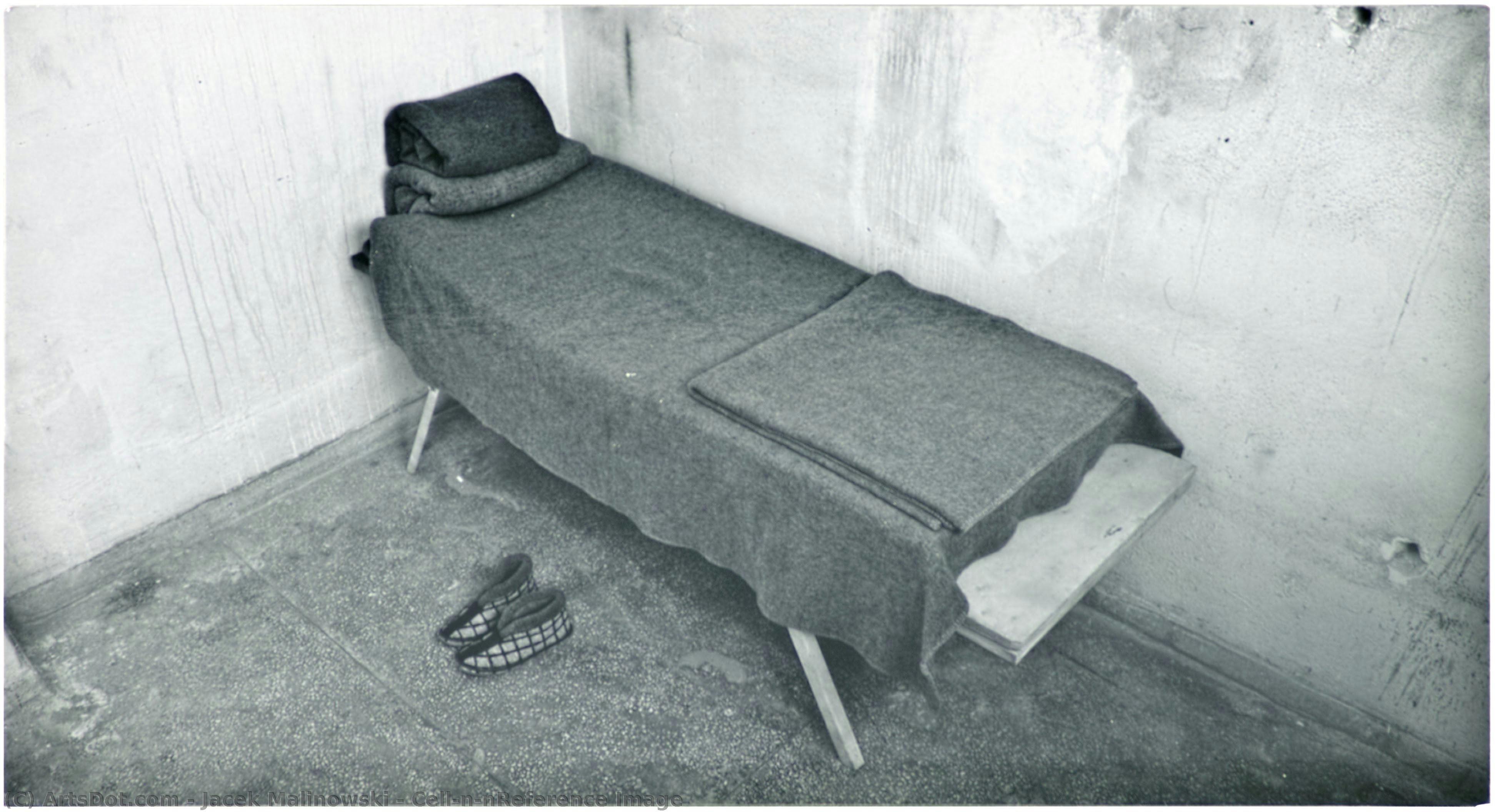
Cell\n\nReference Image

Explore the evocative art of Jacek Malinowski – a Polish visual artist known for film, installations & photography. Discover his unique style & impactful work.

Osta korkearesoluutioinen, parannettu digitaalikuva, joka on laadultaan huomattavasti parempi kuin verkkosivuston esikatselu.

Jokainen tiedosto valmistellaan huolellisesti omien asiantuntijoidemme toimesta käyttäen edistyneitä työkaluja ja ammattitaitoista manuaalista retusointia. Varmistamme, että jokaisessa kuvassa on poikkeuksellinen selkeys, tarkka värintoisto ja hienovaraiset yksityiskohdat.

Lopputiedosto toimitetaan sähköpostitse 72 tunnin kuluessa, ja se on optimoitu välittömään käyttöön ammattimaisissa, toimituksellisissa ja painoympäristöissä. Laatu on sama, johon huipputason suunnittelustudiot, kustantajat ja galleriat luottavat.

Digitaalinen kuva

Lataa korkearesoluutioinen tiedosto henkilökohtaiseen näyttelyyn, tulostamiseen ja luoviin projekteihin.

Kokonaishinta

$9.99

Sisältyy jokaiseen digitaalisen kuvan tilaukseen

Asiantunteva digitaalinen toimitus, taattuun laatuun

Kun valitset WahooArt.com-palvelun, et saa vain kuvaa – saat ammattimaisesti parannetun digitaalisen taideteoksen, joka on luotu tarkkuudella ja jonka takaa tulee tyytyväisyystakuu. Tässä on kaikki, mitä tilauksesi sisältää, automaattisesti:

shipping_icon
Nopea digitaalinen toimitus

Korkearesoluutioinen digitaalinen kuvatiedostosi lähetetään sähköpostiisi 72 tunnin kuluessa tilauksesta – valmiina käytettäväksi välittömästi.

canvas_icon
Tekoälyllä parannettu digitaalinen tiedosto

Taiteilijasi teos on optimoitu ammattimaisesti edistyneiden tekoälytyökalujen ja manuaalisen muokkauksen avulla, mikä takaa maksimaalisen yksityiskohtaisuuden, selkeyden ja väritarkkuuden.

insurance_icon
Ilmainen elinikäinen uudelleenlähetyspalvelu

Oletko vahingossa poistanut tai kadottanut tiedostosi? Ei hätää – lähetämme sen sinulle uudelleen milloin tahansa täysin maksutta.

tax_icon
Ei tuontimaksuja – koskaan

Nauti taiteestasi välittömästi ilman tulleja, veroja tai toimitusmaksuja – digitaaliset lataukset ovat aina verovapaita.

color_icon
Värintoiston tarkkuustakuu

Varmistamme, että digitaalinen kuvasi vastaa alkuperäisiä värejä mahdollisimman tarkasti käyttämällä ammattilaistason työkaluja ja värinhallintaa.

return_icon
60 päivän tyytyväisyystakuu

Jos et ole tyytyväinen digitaaliseen kuvaasi, muokkaamme sitä tai palautamme 100% takaisin 60 päivän kuluessa – ilman kysymyksiä.

guarantee_icon
100% Rahat takaisin -takuu

Etkö ole tyytyväinen? Saat täyden hyvityksen 60 päivän kuluessa digitaalisen tiedostosi vastaanottamisesta – ilman kyselyitä.

discount_icon
Suurtilaaja-alennukset

Osta 3 kuvaa, säästä 10% - Osta 5, säästä 15% - Osta 10+, säästä 20%. Erinomainen valinta luoviin projekteihin, gallerioille ja toimistoille.

Keräilykohteen kuvaus

The work of Jacek Malinowski is a collection of nine small black-and-white photographs mounted on glass. The pictures present the reconstruction of Adolf Eichmann’s cell in a prison in Ramla (Israel), where the Nazi criminal spent the last nine months of his life. Careful reconstruction of the prison facilities was based on images from the “Life” weekly, made and published in 1961 during the trial of the criminal. In Malinowski’s photographs, one can see a severe, very austere interior, where there is only a bed, a stool and a sink. There are both frames showing the full view of the cell, as well as close-ups of various details and items, which can be found there. [P. Lisowski]The work of Jacek Malinowski is a collection of nine small black-and-white photographs mounted on glass. The pictures present the reconstruction of Adolf Eichmann’s cell in a prison in Ramla (Israel), where the Nazi criminal spent the last nine months of his life. Careful reconstruction of the prison facilities was based on images from the “Life” weekly, made and published in 1961 during the trial of the criminal. In Malinowski’s photographs, one can see a severe, very austere interior, where there is only a bed, a stool and a sink. There are both frames showing the full view of the cell, as well as close-ups of various details and items, which can be found there.The reproduced cell was employed by the artist as a scenography for the film Nosferatu. The fear dictator (2011), and it simultaneously becomes the documentation relating to the process of making the film, as well as an independent work of art, which can be considered as an integral part of it. The film itself is a two-part story (Berlin, Warschau) inspired by two famous adaptations of Bram Stoker

Taiteilijan elämäkerta

Jacek Malinowski: Echoes of History and the Unseen

Born in Warsaw, Poland, in 1964, Jacek Malinowski is a visual artist whose work delves into the unsettling intersections of history, memory, and the human psyche. His oeuvre—spanning film, installations, sculpture, and photography—is characterized by a meticulous attention to detail, often employing archival materials and reconstructed spaces to confront viewers with uncomfortable truths about the past. Malinowski’s art isn't merely historical documentation; it’s an active engagement with the lingering shadows of events, prompting reflection on their enduring impact.

Initially trained at the Faculty of Fine Arts at the Mason Gross School of the Arts at Rutgers University, Malinowski’s artistic trajectory shifted dramatically after his studies. He began to explore themes rooted in Polish history and its complex relationship with the 20th century—a period marked by occupation, resistance, and profound loss. This early focus shaped a core aesthetic: a deliberate layering of evidence, creating environments that feel both familiar and profoundly alien.

The Cell: Confronting Eichmann’s Legacy

Perhaps the most iconic work in Malinowski's oeuvre is “Cell” (2012), a series of nine black-and-white photographs meticulously documenting the reconstruction of Adolf Eichmann’s prison cell in Ramla, Israel. This project began with images from the 1961 “Life” magazine article detailing the trial and subsequent imprisonment of the Nazi war criminal. Malinowski didn't simply reproduce these archival photographs; he painstakingly recreated the cell itself, creating a stark, almost claustrophobic space that embodies the horror of Eichmann’s actions.

The significance of “Cell” extends beyond its subject matter. It functions as both a historical record and an artistic statement. The artist deliberately employs a documentary style, utilizing elements reminiscent of news photography to lend the work an air of authenticity. However, this apparent objectivity is undermined by the unsettling details—the bare bed, the single stool, the meager sink—which amplify the sense of isolation and despair within the confined space. As Malinowski himself has stated, he aims to evoke a “horror” that one should seek in reality, history, and tradition, simultaneously acknowledging the potential for evil inherent in these domains.

Film as a Medium for Historical Excavation

Beyond photography, Malinowski’s work extends into film. His 2011 film, "Nosferatu. The Fear Dictator," is a compelling example of his approach to cinematic storytelling. Drawing inspiration from both Murnau's original “Nosferatu” and Herzog’s adaptation, the film reimagines Bram Stoker’s Dracula as a chilling allegory for totalitarianism. Malinowski utilizes the reconstructed Eichmann cell as a key scenography, creating a haunting atmosphere that underscores the film’s themes of paranoia and oppression.

Crucially, Malinowski employs a documentary style within his films, blurring the lines between fiction and reality. This technique serves to heighten the sense of unease and invites viewers to question the nature of historical representation. The “Cell” itself becomes an integral part of the narrative, functioning as a visual metaphor for the enduring legacy of evil.

A Contemporary Voice Rooted in the Past

Jacek Malinowski’s art is not simply about recreating the past; it's about engaging with its complexities and confronting its uncomfortable truths. His meticulous research, combined with his distinctive aesthetic—characterized by stark imagery, unsettling spaces, and a deliberate use of archival materials—has established him as a significant voice in contemporary visual culture. He invites us to contemplate the enduring power of history and the importance of remembering – not just recording – the events that have shaped our world.

His work continues to be exhibited internationally, solidifying his position as a leading Polish artist exploring the darker corners of human experience.

jacek malinowski

jacek malinowski

1964 - , Poland

Lyhyesti esiteltynä

  • Artistic Movement Or Style: Visual art, Film installations, Photography art
  • Date Of Birth: 1964
  • Full Name: Jacek Malinowski
  • Nationality: Polish
  • Notable Artworks:
    • Cell
    • Nosferatu. Berlin, Warschau
  • Place Of Birth: Warsaw, Poland