Ilmainen taidekonsultointi

x
Tilaa painos Tilaa painosTilaa maalaus Tilaa maalaus JaaJaa
TiedotTiedot Lisää suosikkeihin Lisää suosikkeihin LataaLataa SamanlaisiaSamanlaisia X-lähikuvaX-lähikuva DiaesitysDiaesitys

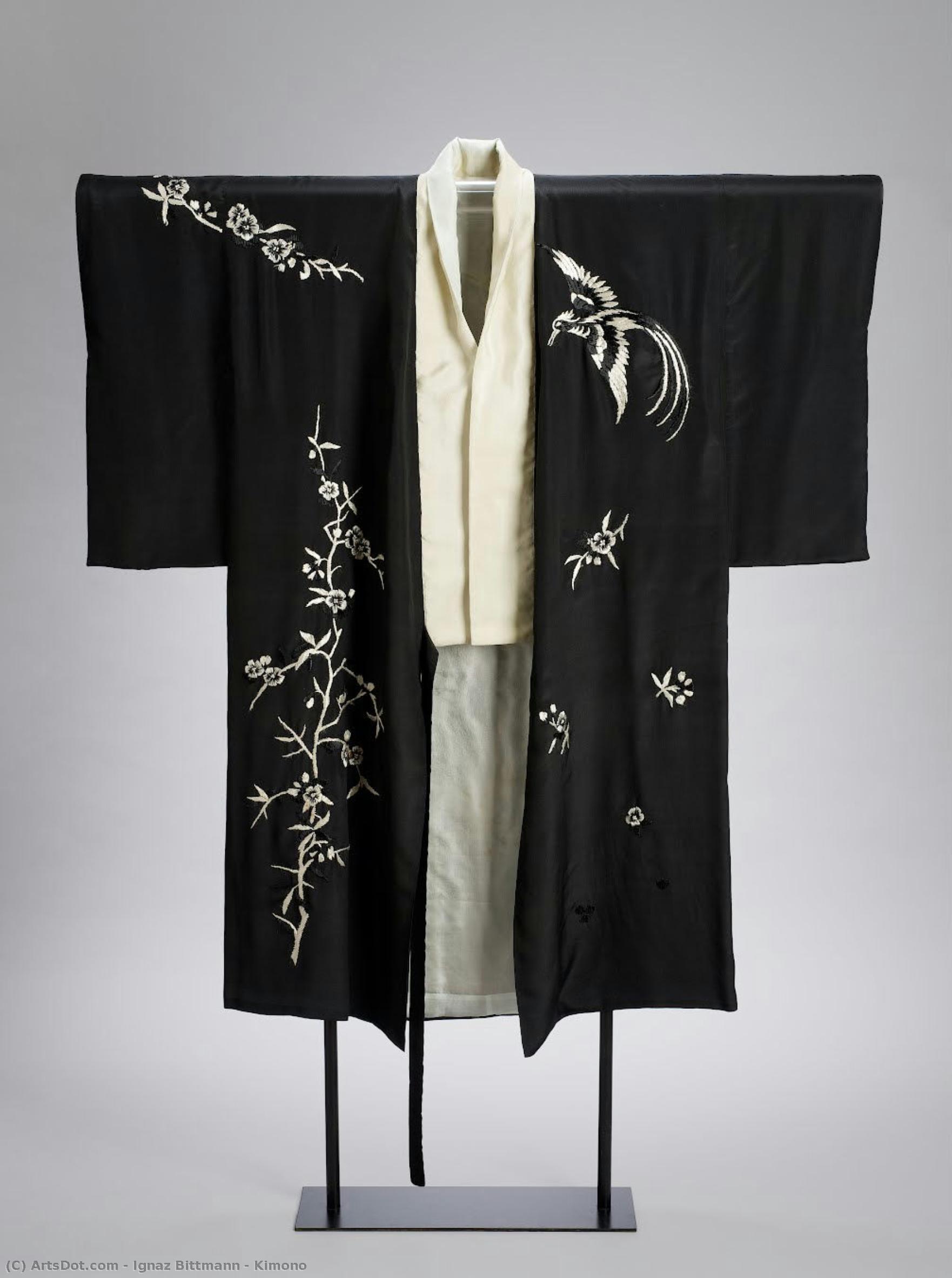
Kimono

Discover Ignaz Bittmann's exquisite kimonos & Austrian textile designs! Explore his innovative approach to fashion during the Austro-Hungarian Empire – a unique artistic legacy.

Osta korkearesoluutioinen, parannettu digitaalikuva, joka on laadultaan huomattavasti parempi kuin verkkosivuston esikatselu.

Jokainen tiedosto valmistellaan huolellisesti omien asiantuntijoidemme toimesta käyttäen edistyneitä työkaluja ja ammattitaitoista manuaalista retusointia. Varmistamme, että jokaisessa kuvassa on poikkeuksellinen selkeys, tarkka värintoisto ja hienovaraiset yksityiskohdat.

Lopputiedosto toimitetaan sähköpostitse 72 tunnin kuluessa, ja se on optimoitu välittömään käyttöön ammattimaisissa, toimituksellisissa ja painoympäristöissä. Laatu on sama, johon huipputason suunnittelustudiot, kustantajat ja galleriat luottavat.

Digitaalinen kuva

Lataa korkearesoluutioinen tiedosto henkilökohtaiseen näyttelyyn, tulostamiseen ja luoviin projekteihin.

Kokonaishinta

$9.99

Sisältyy jokaiseen digitaalisen kuvan tilaukseen

Asiantunteva digitaalinen toimitus, taattuun laatuun

Kun valitset WahooArt.com-palvelun, et saa vain kuvaa – saat ammattimaisesti parannetun digitaalisen taideteoksen, joka on luotu tarkkuudella ja jonka takaa tulee tyytyväisyystakuu. Tässä on kaikki, mitä tilauksesi sisältää, automaattisesti:

shipping_icon
Nopea digitaalinen toimitus

Korkearesoluutioinen digitaalinen kuvatiedostosi lähetetään sähköpostiisi 72 tunnin kuluessa tilauksesta – valmiina käytettäväksi välittömästi.

canvas_icon
Tekoälyllä parannettu digitaalinen tiedosto

Taiteilijasi teos on optimoitu ammattimaisesti edistyneiden tekoälytyökalujen ja manuaalisen muokkauksen avulla, mikä takaa maksimaalisen yksityiskohtaisuuden, selkeyden ja väritarkkuuden.

insurance_icon
Ilmainen elinikäinen uudelleenlähetyspalvelu

Oletko vahingossa poistanut tai kadottanut tiedostosi? Ei hätää – lähetämme sen sinulle uudelleen milloin tahansa täysin maksutta.

tax_icon
Ei tuontimaksuja – koskaan

Nauti taiteestasi välittömästi ilman tulleja, veroja tai toimitusmaksuja – digitaaliset lataukset ovat aina verovapaita.

color_icon
Värintoiston tarkkuustakuu

Varmistamme, että digitaalinen kuvasi vastaa alkuperäisiä värejä mahdollisimman tarkasti käyttämällä ammattilaistason työkaluja ja värinhallintaa.

return_icon
60 päivän tyytyväisyystakuu

Jos et ole tyytyväinen digitaaliseen kuvaasi, muokkaamme sitä tai palautamme 100% takaisin 60 päivän kuluessa – ilman kysymyksiä.

guarantee_icon
100% Rahat takaisin -takuu

Etkö ole tyytyväinen? Saat täyden hyvityksen 60 päivän kuluessa digitaalisen tiedostosi vastaanottamisesta – ilman kyselyitä.

discount_icon
Suurtilaaja-alennukset

Osta 3 kuvaa, säästä 10% - Osta 5, säästä 15% - Osta 10+, säästä 20%. Erinomainen valinta luoviin projekteihin, gallerioille ja toimistoille.

Keräilykohteen kuvaus

Made of black silk with a light blue lining, and embroidered with Japanese motifs in black and white silk thread, this kimono was once in the wardrobe of Countess Klára Hadik-Barkóczy, née Zichy (1875–1946). It has the label of Ignaz Bittmann (1851–1913) sewn into the lining; the Viennese textile manufacturer was one of the largest producers of children’s clothing in Austria-Hungary, a manufacturer of lingerie, and a purveyor to the court.The colourful silks and kimonos displayed in the Japanese pavilion of the 1900 Exposition Universelle of Paris made a strong impression on the fashion scene of Paris and, subsequently, of Europe. Several companies exported original Japanese kimonos, photos and drawings of them appeared in fashion magazines, and this Japanese garment became popular in Europe.

Samankaltaisia teoksia


Taiteilijan elämäkerta

Ignaz Bittmann – A Pioneer of Austrian Textile Art

Ignaz Bittmann (1851-1913) stands as a singular figure in the annals of Austro-Hungarian art and design, recognized primarily for his transformative role in elevating Austrian textile production to international prominence. Born in Vienna, Austria, he emerged from humble beginnings—a modest draper’s shop—to become a visionary entrepreneur who fundamentally reshaped the aesthetic landscape of his era. His legacy extends far beyond mere commerce; Bittmann championed innovation and artistic excellence, establishing himself as a pivotal catalyst for cultural advancement.
  • Early Life & Education: Bittmann pursued his formal education diligently at Benedictine Grammar School in Merano, honing his intellectual prowess before embarking on studies at the University of Vienna’s Faculty of Medicine. While initially focused on medicine, his artistic inclinations quickly surfaced, foreshadowing a lifelong fascination with design and craftsmanship.
  • The Birth of Bittmann Textilfabrik: Recognizing the burgeoning demand for fashionable fabrics—particularly jersey—Bittmann established Bittmann Textilfabrik in 1879. This venture wasn’t simply about profit; it was driven by a genuine desire to elevate Austrian textile manufacturing standards and introduce cutting-edge techniques into Viennese ateliers.
  • Revolutionizing Textile Production: Bittmann's brilliance lay in his understanding of the zeitgeist—the spirit of the age—and his ability to translate this awareness into tangible artistic breakthroughs. He spearheaded the adoption of mechanized weaving looms, dramatically increasing output and fostering a collaborative environment between artisans and engineers. This pioneering approach fundamentally altered Viennese textile production, establishing it as a benchmark for Europe.
  • The Jersey Fabric & Its Impact: The introduction of jersey fabric—a revolutionary knitwear material—marked a watershed moment in fashion history. Bittmann’s astute observation of Parisian trends propelled this innovative textile into widespread acceptance, transforming menswear and subsequently influencing women's attire. His foresight cemented his reputation as an artistic innovator who anticipated future stylistic developments.
  • Legacy & Recognition: Bittmann’s influence resonated throughout the Austro-Hungarian Empire and beyond. He fostered a vibrant artistic community in Vienna, nurturing talent and championing experimentation—a testament to his unwavering belief in the transformative power of creativity. Today, Ignaz Bittmann is remembered not merely as a textile manufacturer but as an artist who irrevocably shaped Viennese culture and elevated Austrian design to unparalleled heights.

Exploring Bittmann’s Artistic Vision

Bittmann's artistic sensibilities extended beyond the realm of textiles; he possessed a profound appreciation for landscape painting, particularly Alpine vistas—a passion that would inform his stylistic choices throughout his career. His canvases captured the grandeur and serenity of the Austrian Alps with remarkable precision and sensitivity, reflecting an aesthetic rooted in Romantic ideals. He skillfully blended meticulous observation with expressive brushwork, conveying both topographical accuracy and emotional depth.
  • Alpine Landscapes: Bittmann’s landscapes exemplify a commitment to capturing the sublime—the awe-inspiring beauty of nature—with unwavering fidelity. His compositions prioritize atmospheric perspective and tonal gradation, creating immersive vistas that evoke feelings of tranquility and grandeur.
  • Still Lifes: Similarly, Bittmann's still lifes showcased his mastery of form and color, presenting meticulously arranged objects with understated elegance. He employed subtle shading techniques to sculpt the contours of his subjects, emphasizing texture and materiality.
  • Influence & Style: Bittmann’s artistic style drew inspiration from Academic Classicism—a dominant aesthetic movement during his time—characterized by idealized forms and harmonious compositions. However, he infused this tradition with a distinctly personal vision, resulting in artworks that are both technically proficient and emotionally resonant.

Notable Works

Bittmann produced several notable paintings that exemplify his artistic prowess and capture the spirit of the Austro-Hungarian era. Among these masterpieces are:
  • “The Alpine Lake” (circa 1890): This panoramic landscape portrays a crystalline alpine lake nestled amidst towering peaks, bathed in soft sunlight—a quintessential depiction of Austrian Alpine scenery.
  • “Fruit Basket” (circa 1895): Bittmann’s still life presents an assortment of luscious fruits arranged on a rustic wooden table—a testament to his meticulous attention to detail and masterful use of color.
  • “Portrait of Franziska Preisler” (circa 1897): This portrait captures the serene beauty of Franziska Preisler, Bittmann’s wife, conveying her grace and dignity with understated elegance.

Historical Context & Significance

Ignaz Bittmann's artistic career unfolded against the backdrop of a transformative period in European history—the Austro-Hungarian Empire—characterized by rapid industrialization, social upheaval, and burgeoning artistic experimentation. His embrace of Academic Classicism reflected the prevailing cultural sensibilities of his time, yet he simultaneously championed innovation and pursued stylistic refinements that distinguished him from his contemporaries. Bittmann's legacy endures as a symbol of Austrian artistic tradition and a testament to the enduring power of beauty and craftsmanship. He remains an important figure in the history of textile art and fashion design, whose contributions continue to inspire artists and designers today.
ignaz bittmann

ignaz bittmann

1851 - 1913 , Austria

Lyhyesti esiteltynä

  • Artistic Movement Or Style: Textile Art
  • Date Of Birth: February 23, 1851
  • Full Name: Ignaz Bittmann
  • Nationality: Austrian
  • Notable Artworks: ['Kimono']
  • Place Of Birth: Vienna, Austria