


 Öljyväri kankaalleSeinätaideImpressionist Realism
 1870luku
 20.0 x 27.0 cm
 Metropolitanin museo
Museolaatuisia giclée- tai kankaitaulun tulosteita nopealla tuotannolla ja joustavilla viimeistelyvaihtoehdoilla. ( Osta käsintehty maalaus Osta kuva)





























Valitse valmiista mitoistamme sellaiset, jotka vastaavat teoksen alkuperäisiä mittasuhteita.

Voit syöttää omat mitat sopiaksesi tiettyyn kehykseen tai tilaan. Jos valittu koko ei vastaa alkuperäisen kuvan mittasuhteita, rajaamme teosta tai laajennamme kuvaa peilatulla tai yhtenäisellä reunalla. Digitaalinen mallikuva lähetetään hyväksyttäväksi ennen tuotannon aloittamista.
Huomaathan, että näytöllä näkyvä esikatselu ei vastaa lopullista rajausta tai laajennusta. Vain mallikuva näyttää lopullisen sommittelun tarkasti.
Vaikka räätälöityjä kokoja on saatavilla, suosittelemme valitsemaan mitat valmiista listasta alkuperäisten mittasuhteiden säilyttämiseksi.
Toimitus maailmanlaajuisesti () kahdessa viikossa tavallisen 4–5 viikon sijaan. (6 syyskuu)


The Dancing Class
Replikaatin koko
Edgar Degas’s “The Dancing Class,” completed around 1870, stands as a cornerstone of Impressionist art and offers an unparalleled glimpse into the world of ballet practice during Paris’s vibrant Belle Époque. More than just a depiction of dancers; it's a carefully crafted tableau that encapsulates a specific moment in time—a quiet rehearsal session within Degas’s studio—and speaks volumes about his artistic vision.
The painting portrays approximately two dozen ballerinas engaged in various activities – tying their shoes, stretching, meticulously rehearsing steps, or simply observing. Unlike grand theatrical productions, Degas eschewed staged poses, opting instead for a candid snapshot that reflects the Impressionist preoccupation with capturing fleeting moments of everyday life. The studio setting itself—characterized by simple furniture like chairs and tables—contributes to this sense of realism, grounding the scene in an authentic environment.
Degas’s masterful technique exemplifies Impressionism's core principles. He employed loose brushstrokes – visible and textured – to convey movement and luminosity. The color palette is dominated by warm browns and ochres, creating a muted atmosphere reminiscent of the dim lighting found in rehearsal rooms. Careful layering of paint builds up form without striving for photographic accuracy; instead, Degas prioritized capturing the subtle nuances of light and shadow, mirroring the Impressionists’ fascination with optical perception.
Painted during a period of significant social transformation in Paris, “The Dancing Class” coincided with ballet’s resurgence as both an art form and a symbol of Parisian elegance. Degas’s decision to depict the preparatory stages of performance—the quiet dedication required for mastering technique—represented a bold departure from traditional academic painting, which favored idealized representations. This focus on realism aligns with broader artistic trends of the era, reflecting a desire to portray life as it truly is.
"The Dancing Class" transcends mere visual representation; it embodies themes of perseverance, discipline, and the unwavering pursuit of artistic excellence. Degas’s portrayal captures not only the physical activity involved in ballet training but also the psychological state of young women striving for success—a poignant reflection on ambition and aspiration. Ultimately, the painting evokes a feeling of quiet intimacy and nostalgic charm, inviting viewers to contemplate the beauty found within everyday moments and celebrating the transformative power of art.

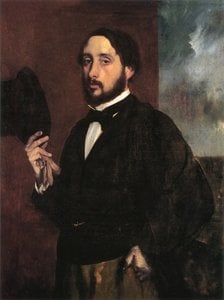
1834 - 1917 , Ranska

Explore the captivating history of detail in art, from Realism's tangible world to Degas' ballet scenes. Discover how specificity shapes narrative & value. Expert insights for discerning collectors.

Explore 10 defining masterpieces of Romantic Realism! Discover Courbet, Millet & Daumier's powerful paintings—capturing emotion and social realities. Find museum-quality reproductions for your home at WahooArt.com.

Explore the captivating world of Edgar Degas! Discover his innovative techniques, iconic ballet paintings, and unique portrayal of Parisian life in this insightful art history study.

Tutustu Paul Cézannen 25 vaikuttavinta mestariteosta! Postimpressionismin huipputeoksia, still life -maalauksia ja ikonisia maisemia. Löydä taiteen tarinat ja inspiroi kotisi sisustusta WahooArt.com:ssa. Tutki kokoelma verkossa!

Tutustu 10 impressionismin mestariteokseen – Monet'n vesiliilat, Renoir'n tanssijat ja muut ikonit! Taidemaalausten tarinat, tekniikat & inspiraatio kotiisi. Laadukkaat taideprintit WahooArt.com.

 Esikatselu
 Jaa
Jaa Jaa
Jaa
 Tarkemmat tiedot

 Lataa
Lataa
 Samanlaisia
 Röntgenkuva
 Diaesitys
 Näytä lisää







 Lasivaihtoehto on saatavilla vain alle 110 cm kokoisina teoksina


