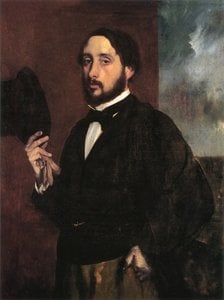
Taiteilijan elämäkerta
A Life Immersed in Movement
Edgar Degas, syntynyt Hilaire-Germain-Edgar De Gas vuonna 1834 Pariisissa, oli taiteilijaelämä, joka täynnä vastakohtia. Vaikka hänet usein luokitellaan Impressionistien pariin – Monet’n, Renoir’n ja muiden, jotka mullistivat maalaustekniikkaa 1800-luvun lopulla – hän itse vastusti tätä nimitystä, identifioiden itsensä realistiksi. Tämä sitoutuminen perustui hänen tarkkaan havaintoonsa maailmasta ja omistautumiseensa sen kuvaamiseen rehellisesti. Degasin varhainen elämä oli mukava bourgeois-elämä; isänsä oli pankki, ja äitinsä perhe oli kreikkiläinen New Orleansista. Tämä tausta tarjosi hänelle pääsyn koulutukseen ja taidekoulutukseen, vaikka hän usein vastusti akateemisia rajoitteita. Hän ilmoittautui alun perin Lycée Louis-le-Grandiin, mutta hänen todellinen koulutuksensa alkoi, kun hän alkoi kopioida teoksia Louvressa, hioen taitojaan ja sytyttäen elinikäisen intohimon klassiseen taiteeseen. Kuitenkin Degasin tie ei ollut pelkkää perinteiden noudattamista; se oli merkitty jatkuvalla kyseenalaistamisella ja taiteellisten normien uudelleenarvioinnilla. Hänellä oli itsenäinen henki, joka määrittelisi koko uransa.
Impressionismista Poikkeava Taiteellinen Visio
Vaikka hänen ikäisensä, kuten Monet, tavoittelivat valon hetkellisiä vaikutuksia ulkona, Degas työskenteli pääasiassa studioissaan, rakentaen tarkasti kohtauksia havaintojen ja muistojen pohjalta. Hänen aiheensa olivat selvästi moderneja – poikkeus historiallisten tai mytologisten teemojen suhteen, joita suosivat monet akateemiset maalarit. Hän löysi inspiraatiota Pariisin tavallisten ihmisten elämään: pesimiehet, kabaree-laulajat, hattujen tekijät ja, mikä tärkeintä, tanssijat. Tämä tanssiin liittyvä intohimo määrittelee hänen teoksiaan suurelta osin. Degas ei maalannut vain kauniita balettitanssijoita; hän vangitsi heidän työn raskaan todellisuuden – loputtomat harjoitukset, fyysinen rasitus, ohikiitävät hetket eleganssin keskellä vaikeaa työtä. Hänen kompositiot ovat usein epätavallisia, esittäen hahmoja odottamattomilla tavoilla ja käyttämällä epäsymmetrisiä järjestelyjä luomaan dynaamisuuden ja välittömyyden tunnetta. Hän oli mestari vangitsemaan liikettä, ei sumeiden linjojen tai hämärän efektien kautta, vaan tarkkaan havaintojen ja muotojen huolellisen esittämisen avulla. *Tanssija tamburiinin kanssa*, *Baletttiluokka* ja *Degas vihreässä kaulahuivissa* ovat hyviä esimerkkejä tästä omistautumisesta ihmisfiguuren kuvaamiseen liikkeessä ja modernin elämän monimutkaisuuksien paljastamisessa. Hän ei ollut kiinnostunut pinnallisesta kauneudesta; hän etsi totuutta pinnan alla.
Vaikutukset ja Taiteellinen Kehitys
Degasin taiteellinen matka muotoutui monipuolisten vaikutteiden pohjalta. Varhaiset koulutuksensa korosti klassisia periaatteita, erityisesti Jean-Auguste-Dominique Ingresin työtä, jonka linjakkuuden ja tarkkaan esitettyjen periaatteiden painotus jätti pysyvän jälkivaikutuksen. Kuitenkin Degas ihaillut myös Realisteja, kuten Gustave Courbetia, jotka haastoivat akateemisia normeja ja edustivat nykyelämän kuvaamista. Merkittävä hetki hänen kehityksessään oli hänen yhteytensä Camille Pissarro’hun, johtavaan Impressionistiin, joka esitteli hänet muiden taiteilijoiden pariin ja rohkaisi häntä kokeilemaan uusia tekniikoita. Hän oli lumoutunut japanilaisten painokuvien vaikutuksesta – Ukiyo-e – jotka vaikuttivat hänen epäsymmetristen komposiittien käyttöön, tasoitetuihin näkökulmiin ja rohkeisiin kuvioihin. Hän omaksui myös valokuvausta, tunnistaen sen potentiaalin liikkeen tutkimisessa ja ohikiitävien hetkien vangitsemisessa. Tämä halukkuus sisällyttää erilaisia vaikutteita teoksiinsa on se, mikä erottaa Degasin ja edistää hänen taiteensa ainutlaatuista luonnetta. Hän ei pelännyt lainata eri lähteitä, yhdistäen ne johonkin täysin uuteen.
Saavutukset ja Perinnön Jättö
Edgar Degas kuoli Pariisissa vuonna 1917, jättäen jälkeensä teosten kokoelman, joka vangitsee edelleen yleisön huomion. Hänen innovatiivinen lähestymistapansa komposiittien luomiseen, hänen mestarillinen draftsaamisen taitonsa ja ihmisten elämän rehellinen kuvaus ovat vaikuttaneet taiteen historian kulkuun syvästi. Hän avasi tietä tuleville sukupolville taiteilijoille, jotka halusivat irtautua perinteisistä normeista ja tutkia uusia tapoja maailman esittämiseen. Hänen vaikutuksensa voidaan nähdä Pablo Picasson ja Henri Matissen teoksissa sekä monissa muissa. Teokset säilytetään laajalti museoissa ympäri maailmaa – Musée d’Orsayssa ja Musée de l’Orangeriessa Pariisissa – varmistaen, että hänen perintönsä kestää sukupolvien ajan. Degas ei ollut pelkästään tanssijoiden tai ratsastajien maalari; hän oli tarkkanäköinen havaintoeläjä, muotojen ja liikkeen mestari ja todellinen innovaattori, joka uudensi taiteen mahdollisuuksia.



 Esikatselu
 Switch to Print
 Jaa
Jaa Jaa
Jaa
 Tarkemmat tiedot

 Lataa
Lataa
 Samanlaisia
 Röntgenkuva
 Diaesitys
 Stats
Stats


 Näytä lisää






































 Lasivaihtoehto on saatavilla vain alle 110 cm kokoisina teoksina