


Käsinmaalattu öljyväri kankaalle haluamassasi koossa ja kehyksissä, taiteilijoidemme valmistamana tilauksesta. ( Osta printti Osta kuva)





























Valitse valmiista mitoistamme sellaiset, jotka vastaavat teoksen alkuperäisiä mittasuhteita.

Voit syöttää omat mitat sopimaan tiettyyn kehykseen tai tilaan. Jos valitsemasi koko ei vastaa alkuperäisen kuvan mittasuhteita, rajaamme taideteoksen tai jatkamme maalausta käsin maalatuilla elementeillä. Digitaalinen esikatselu lähetetään hyväksyttäväksi ennen tuotannon aloittamista.
Huomioithan, että näytöllä oleva esikatselu ei vastaa todellista rajausta tai jatkamista. Vain digitaalinen mallikuva näyttää lopullisen sommittelun tarkasti.
Vaikka mittatilaustyöt ovat mahdollisia, suosittelemme valitsemaan mitan ennalta määritetystä listasta alkuperäisten mittasuhteiden säilyttämiseksi.
Maailmanlaajuinen toimitus () 3–4 viikossa tavallisen 5 viikon sijaan. (6 syyskuu). Laadusta ei tingitä.


Flight into Egypt
Replikaatin koko
Henry Ossawa Tanner's "Flight into Egypt," painted in 1899, isn’t merely a depiction of a biblical scene; it’s a profound meditation on faith, family, and the enduring struggle for safety. This oil-on-canvas masterpiece, now housed within the Detroit Institute of Arts, transports us to a frigid winter landscape—a stark contrast to the warmth and security sought by Mary, Joseph, and the infant Jesus as they flee persecution in Herod’s kingdom. Tanner masterfully captures the urgency of their flight, imbuing the scene with an atmosphere of quiet desperation mingled with unwavering hope. The painting immediately draws the eye to the central figures, rendered not as idealized saints but as ordinary people—a family seeking refuge, relatable and deeply human.
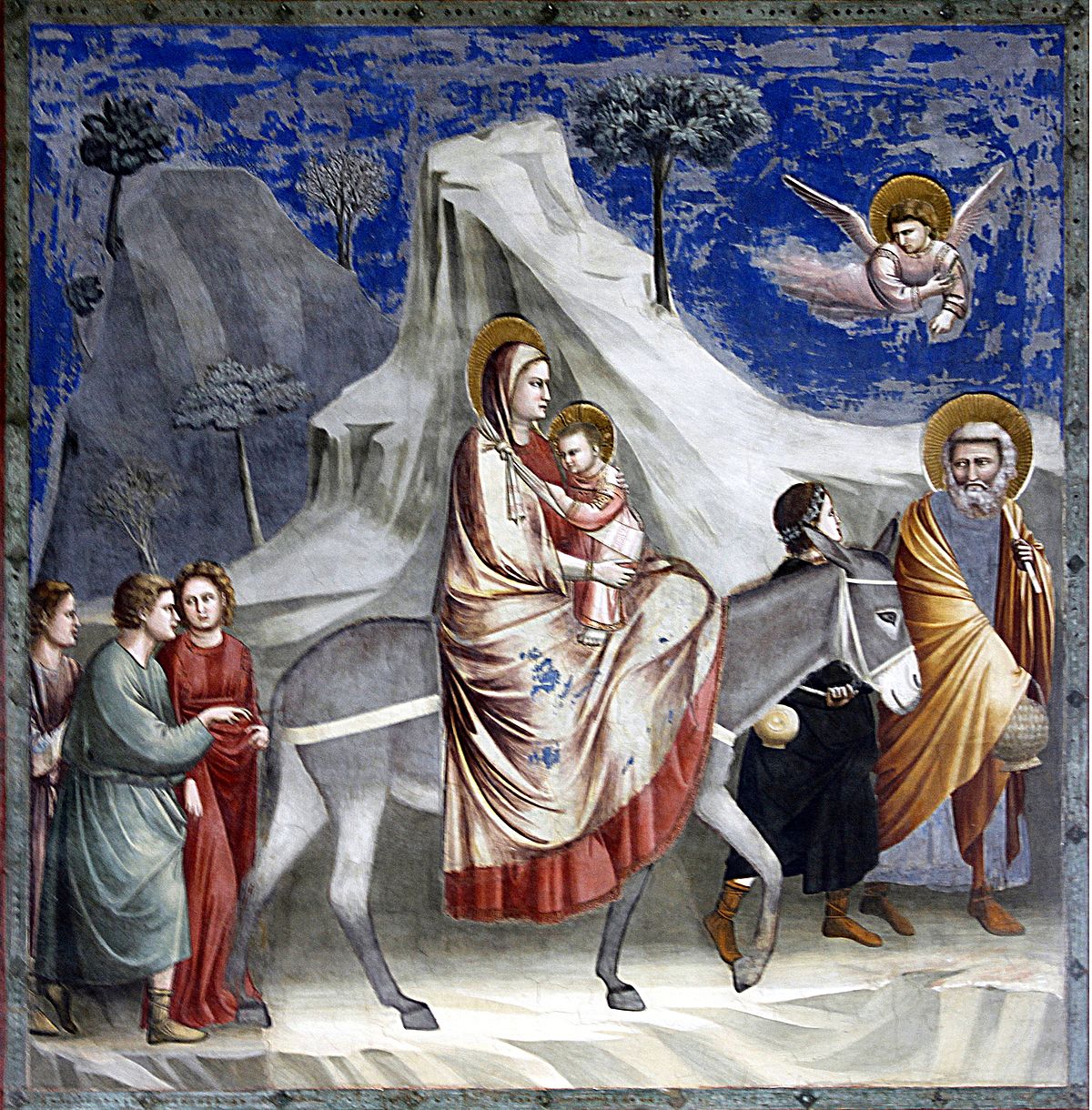
Tanner's artistic style is immediately recognizable—a bold departure from the prevailing academic traditions of his time. He employs a distinctive technique characterized by loose, expressive brushstrokes and a masterful manipulation of light and shadow, or *chiaroscuro*. The painting is dominated by cool blues and grays, evoking the biting cold of the winter landscape and mirroring the uncertainty faced by the holy family. Yet, within this somber palette, Tanner introduces subtle highlights—a glimmer of warmth emanating from the figures themselves, suggesting their inner resilience and faith. The use of perspective creates a sense of depth, drawing the viewer into the scene and emphasizing the vastness of the journey ahead. The two horses, strategically placed on the right side of the composition, add a dynamic element, symbolizing both the arduousness of their travel and the divine protection they receive.
Understanding Henry Ossawa Tanner requires acknowledging his deeply rooted background. Born in Pittsburgh, Pennsylvania, to Reverend Benjamin Tucker Tanner—a prominent figure within the African Methodist Episcopal Church—and Sarah Elizabeth Tanner, who had escaped slavery via the Underground Railroad, Tanner's life was profoundly shaped by faith and a commitment to social justice. His father’s activism instilled in him a strong sense of identity and purpose, which he channeled into his art. Tanner’s early exposure to Philadelphia’s vibrant cultural landscape, coupled with formal training at the Pennsylvania Academy of the Fine Arts, allowed him to develop his unique artistic voice—one that seamlessly blended realism with spiritual depth. The painting reflects this complex heritage, subtly incorporating African and Middle Eastern influences in the clothing and architecture of the background, suggesting a universal message of refuge and hope.
Beyond its visual beauty, “Flight into Egypt” is rich in symbolism. The painting’s depiction of a family fleeing persecution resonates with ancient narratives of exile and redemption. The journey itself represents the challenges faced by marginalized communities throughout history—a testament to the enduring human spirit's capacity for resilience. Tanner’s choice to portray the holy family as ordinary people, rather than idealized figures, underscores the universality of their experience. The painting invites viewers to contemplate themes of faith, family, and the search for safety in a world often marked by uncertainty and danger. It is a powerful reminder that even in the darkest of times, hope—and divine protection—can be found.

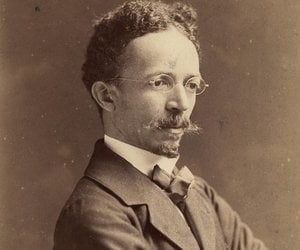
1859 - 1937 , Yhdysvallat

Tutustu Henri Matissen 25 mestariteokseen – värien ja muodon lumoava maailma! Lue taiteen historiaa, fauvismin syntyä ja löydä inspiraatiota sisustukseesi. Korkealaatuiset taideprintit WahooArt.com:ssa.

Explore the life and groundbreaking work of Henry Ossawa Tanner, a pioneering African American artist who achieved international acclaim with his deeply spiritual and realistic paintings. Discover his legacy at WahooArt.

Tutustu fauvismin 10 mestariteokseen! Uppoudu Henri Matissen, André Derainin ja muiden taiteilijoiden värien vallankumoukseen. Löydä inspiraatiota kotiisi – korkealaatuiset taideprintit WahooArt.comista. Tutustu kokoelmaan verkossa!

Explore the life & legacy of Robert Henri, a pivotal figure in American Realism. Discover his captivating portraits, influence on the Ashcan School, and enduring impact on art history. Learn more at WahooArt.

Explore the rich history of biblical art from Giotto to the Renaissance masters with WahooArt. Discover symbolism, techniques & enduring legacies. Museum-quality reproductions & expert insights.

 Esikatselu
 Jaa
Jaa Jaa
Jaa
 Tarkemmat tiedot

 Lataa
Lataa
 Samanlaisia
 Röntgenkuva
 Diaesitys


 Näytä lisää







 Lasivaihtoehto on saatavilla vain alle 110 cm kokoisina teoksina


