


Käsinmaalattu öljyväri kankaalle haluamassasi koossa ja kehyksissä, taiteilijoidemme valmistamana tilauksesta. ( Osta printti Osta kuva)





























Valitse valmiista mitoistamme sellaiset, jotka vastaavat teoksen alkuperäisiä mittasuhteita.

Voit syöttää omat mitat sopimaan tiettyyn kehykseen tai tilaan. Jos valitsemasi koko ei vastaa alkuperäisen kuvan mittasuhteita, rajaamme taideteoksen tai jatkamme maalausta käsin maalatuilla elementeillä. Digitaalinen esikatselu lähetetään hyväksyttäväksi ennen tuotannon aloittamista.
Huomioithan, että näytöllä oleva esikatselu ei vastaa todellista rajausta tai jatkamista. Vain digitaalinen mallikuva näyttää lopullisen sommittelun tarkasti.
Vaikka mittatilaustyöt ovat mahdollisia, suosittelemme valitsemaan mitan ennalta määritetystä listasta alkuperäisten mittasuhteiden säilyttämiseksi.
Maailmanlaajuinen toimitus () 3–4 viikossa tavallisen 5 viikon sijaan. (6 syyskuu). Laadusta ei tingitä.


the dream
Replikaatin koko
Henri Matisse’s “The Dream,” painted circa 1940, is more than just a depiction of repose; it's an embodiment of Fauvist principles distilled into a single, arresting image. This artwork transports viewers to a realm where color reigns supreme—a deliberate rejection of Impressionistic subtlety in favor of expressive hues that prioritize emotional impact over precise representation.
Born in Le Cateau-Cambrésis, France, Henri Émile Benoît Matisse (1869-1954) embarked on a legal career initially, but fate intervened when an appendicitis attack redirected him toward the liberating force of painting. Influenced by Impressionist masters like Monet and Renoir, yet profoundly dissatisfied with their muted palettes, Matisse spearheaded Fauvism—a movement that championed unrestrained color as its primary expressive tool.
The painting’s dominant red background serves as a canvas for the woman’s figure, rendered in shades of ochre and pale pink. Matisse employed loose brushstrokes—characteristic of Fauvist style—to convey movement and vibrancy without resorting to meticulous detail. The careful placement of the handbag beside the sleeping woman adds a touch of realism, grounding the fantastical element of the dreamscape. Notably, a bird perched atop the left shoulder subtly introduces an element of observation and perhaps symbolizes hope or vigilance.
"The Dream" speaks to themes of introspection and serenity—a desire to escape into a world untouched by anxieties. Matisse’s masterful simplification of form contributes to this effect, allowing the color itself to dominate the narrative. The woman's posture exudes comfort and vulnerability, inviting contemplation on the subconscious mind and the restorative power of sleep.
Matisse’s groundbreaking approach to color irrevocably altered the course of modern art. His influence can be seen in subsequent generations of artists who embraced bold hues and expressive brushwork, solidifying his position as one of the most celebrated painters of the 20th century. Reproductions of “The Dream” offer a captivating glimpse into Matisse’s artistic genius—a timeless testament to the transformative potential of color.


1869 - 1954 , Ranska
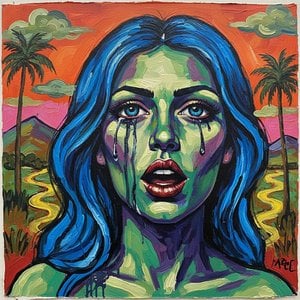
Embark on a journey through the vibrant world of Fauvism. Discover how masters like Henri Matisse revolutionized art through bold colors and raw emotion in this expert-led guide to one of modern art's most powerful movements.

 Esikatselu
 Jaa
Jaa Jaa
Jaa
 Tarkemmat tiedot

 Lataa
Lataa
 Samanlaisia
 Röntgenkuva
 Diaesitys

 Näytä lisää







 Lasivaihtoehto on saatavilla vain alle 110 cm kokoisina teoksina


