


 Acrylic On CanvasWallArtFauvist Expressionism
 1950
1950 20.0 x 12.0 cm
Käsinmaalattu öljyväri kankaalle haluamassasi koossa ja kehyksissä, taiteilijoidemme valmistamana tilauksesta. ( Osta printti Osta kuva)





























Valitse valmiista mitoistamme sellaiset, jotka vastaavat teoksen alkuperäisiä mittasuhteita.

Voit syöttää omat mitat sopimaan tiettyyn kehykseen tai tilaan. Jos valitsemasi koko ei vastaa alkuperäisen kuvan mittasuhteita, rajaamme taideteoksen tai jatkamme maalausta käsin maalatuilla elementeillä. Digitaalinen esikatselu lähetetään hyväksyttäväksi ennen tuotannon aloittamista.
Huomioithan, että näytöllä oleva esikatselu ei vastaa todellista rajausta tai jatkamista. Vain digitaalinen mallikuva näyttää lopullisen sommittelun tarkasti.
Vaikka mittatilaustyöt ovat mahdollisia, suosittelemme valitsemaan mitan ennalta määritetystä listasta alkuperäisten mittasuhteiden säilyttämiseksi.
Maailmanlaajuinen toimitus () 3–4 viikossa tavallisen 5 viikon sijaan. (6 syyskuu). Laadusta ei tingitä.


Creole Dancer
Replikaatin koko
Henri Matisse's “Creole Dancer,” completed in 1950, stands as a testament to the enduring power of Fauvist aesthetics—a movement that championed unrestrained color and simplified forms as radical departures from Impressionism. This captivating gouache painting on cut paper resides within the Musée Matisse in Nice, offering visitors an intimate glimpse into Matisse’s artistic vision during his prolific later years.
Born in 1869 in Le Cateau-Cambrésis, Henri Émile Benoît Matisse initially pursued a legal career before discovering the transformative influence of painting. Following an illness that sidelined him from law, he embraced art with fervor—a passion nurtured by his mother’s generous gift of artistic supplies. This serendipitous encounter ignited a lifelong dedication to color and form, propelling him toward a path that would redefine modern art.
Matisse's Fauvist style wasn’t merely about applying pigment; it was about rejecting academic conventions in favor of emotional expression. Artists like Matisse deliberately eschewed naturalistic representation, prioritizing vibrant hues—often jarringly juxtaposed—to convey mood and feeling directly to the viewer. “Creole Dancer” exemplifies this ethos perfectly, abandoning photographic accuracy for a bold declaration of color.
The painting’s palette is dominated by reds, blues, and yellows – colors deliberately chosen not for their descriptive qualities but for their emotive impact. Matisse skillfully layered gouache onto cut paper, creating a textured surface that enhances the vibrancy of the hues. The artist's meticulous attention to detail—particularly in capturing the delicate folds of the dancer’s dress and the luminous glow of the flowers—demonstrates his mastery of technique.
"Creole Dancer" transcends mere visual beauty; it carries symbolic weight. The dancer herself embodies grace, movement, and vitality – qualities Matisse sought to convey through reductive simplification. The flowers adorning her head symbolize femininity, joy, and perhaps even a connection to the natural world. Scattered stars contribute to an ethereal atmosphere, hinting at dreams and aspirations.
Ultimately, “Creole Dancer” succeeds in capturing a moment of serene contemplation amidst exuberant color. Matisse’s masterful use of pigment and form invites viewers into a realm where emotion triumphs over representation. It's a painting that speaks to the fundamental human desire for beauty and harmony—a timeless masterpiece that continues to inspire admiration and intrigue.


1869 - 1954 , Ranska
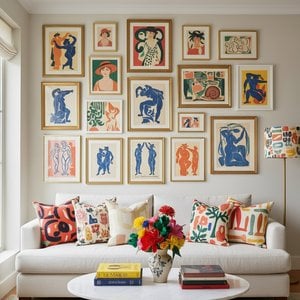
Tutustu Henri Matissen 25 mestariteokseen – värien ja muodon lumoava maailma! Lue taiteen historiaa, fauvismin syntyä ja löydä inspiraatiota sisustukseesi. Korkealaatuiset taideprintit WahooArt.com:ssa.
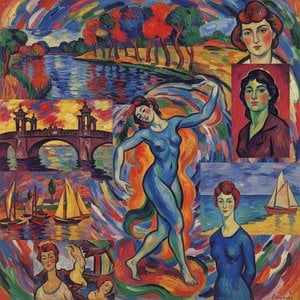
Tutustu fauvismin 10 mestariteokseen! Uppoudu Henri Matissen, André Derainin ja muiden taiteilijoiden värien vallankumoukseen. Löydä inspiraatiota kotiisi – korkealaatuiset taideprintit WahooArt.comista. Tutustu kokoelmaan verkossa!
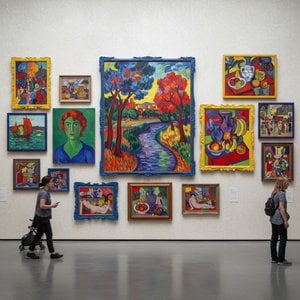
Tutustu fauvismin 10 ikonista mestariteosta! Uppoudu Henri Matissen, André Derainin ja muiden taiteilijoiden värikylläiseen maailmaan. Löydä inspiraatiota kotiisi WahooArt.com:sta – laadukkaat taidekopiokset ja sisustusideat odottavat!

Tutustu abstraktin ekspressionismin 10 mestariteokseen! Jackson Pollock, Mark Rothko ja muut taiteilijat inspiroivat tunteellisuudellaan. Löydä upeita taidemaalauksia kotiisi WahooArt.comista – museolaatuista laatua ja sisustusehdotuksia.

Tutustu Wassily Kandinskin 25 vaikuttavinta teosta! Uppoudu abstraktin taiteen maailmaan, värien symboliikkaan ja modernin ekspressionismin historiaan. Löydä inspiraatiota kodin sisustukseen WahooArt.com:ista – laadukkaat taideprintit ja reproduktiot.

 Esikatselu
 Jaa
Jaa Jaa
Jaa
 Tarkemmat tiedot

 Lataa
Lataa
 Samanlaisia
 Röntgenkuva
 Diaesitys
 Näytä lisää







 Lasivaihtoehto on saatavilla vain alle 110 cm kokoisina teoksina


