

 Acrylic On CanvasWallArtNorthern Renaissance
 1527
1527 55.0 x 38.0 cm
Käsinmaalattu öljyväri kankaalle haluamassasi koossa ja kehyksissä, taiteilijoidemme valmistamana tilauksesta. ( Vaihda tulosteeseen Siirry digitaaliseen kuvaan)





























Valitse valmiista mitoistamme sellaiset, jotka vastaavat teoksen alkuperäisiä mittasuhteita.

Voit syöttää omat mitat sopimaan tiettyyn kehykseen tai tilaan. Jos valitsemasi koko ei vastaa alkuperäisen kuvan mittasuhteita, rajaamme taideteoksen tai jatkamme maalausta käsin maalatuilla elementeillä. Digitaalinen esikatselu lähetetään hyväksyttäväksi ennen tuotannon aloittamista.
Huomioithan, että näytöllä oleva esikatselu ei vastaa todellista rajausta tai jatkamista. Vain digitaalinen mallikuva näyttää lopullisen sommittelun tarkasti.
Vaikka mittatilaustyöt ovat mahdollisia, suosittelemme valitsemaan mitan ennalta määritetystä listasta alkuperäisten mittasuhteiden säilyttämiseksi.
Maailmanlaajuinen toimitus () 3–4 viikossa tavallisen 5 viikon sijaan. (22 syyskuu). Laadusta ei tingitä.


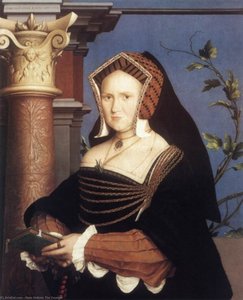
Portrait of Lady Guildford
Replikaatin koko
Hans Holbein the Younger's “Portrait of Lady Guildford,” painted in 1527, stands as a cornerstone of Northern Renaissance portraiture—a captivating glimpse into the opulent world of Henry VIII’s court and an enduring testament to Holbein’s unparalleled ability to capture both physical likeness and psychological nuance. Currently residing at the Kupferstichkabinett in Germany, this oil on panel masterpiece transcends mere representation; it embodies a carefully crafted narrative of status, piety, and refined intellect.
Beyond its striking visual qualities lies a rich tapestry of symbolism. Lady Guildford’s book symbolizes erudition and piety—qualities highly valued during the Tudor period, reflecting her noble upbringing and adherence to religious faith. The pillar serves as a visual anchor, representing stability and authority – mirroring the power structure of Henry VIII's court.
Painted amidst the turbulent backdrop of Reformation England, “Portrait of Lady Guildford” reflects the broader intellectual currents of the Renaissance. Holbein’s work aligns seamlessly with humanist ideals—a fascination for human anatomy and psychology—demonstrating a profound understanding of his subject's inner world alongside her outward presentation. This painting exemplifies the artistic ambition to portray not just what is seen but also what is felt.
"Portrait of Lady Guildford" continues to captivate viewers centuries later, offering an intimate portrait of a woman who embodies grace and intelligence within a pivotal moment in English history. Like Holbein’s other celebrated portraits—Sir Henry Guildford, Sir Thomas More, and the Portrait of a Lady with a Squirrel and a Starling—this artwork stands as a beacon of artistic excellence, securing its place among the most iconic images of the Northern Renaissance.


1497 - 1543 , Saksa

Explore the dramatic evolution of Northern Mannerism. Discover how masters like Bosch and Grünewald transitioned from Renaissance harmony to profound, elegant distortion through an expert analysis of symbolism, emotional intensity, and artistic innovation.
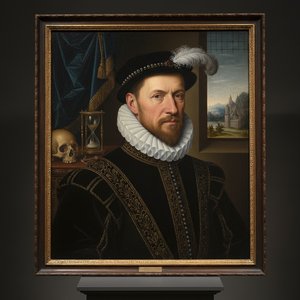
Explore the breathtaking precision of Hans Holbein the Younger. From Tudor royal portraits to intricate Northern Renaissance details, discover the mastery behind his legendary works and learn how to bring this historical grandeur into your collection with museum-quality reproductions.

Unveil the intricate mastery of Northern Renaissance Art. Explore the luminous oil techniques, hidden symbolism, and breathtaking realism of Flemish masters through an expert lens of art history and technical precision.

 Katso seinällä
 Lähetä
 Jaa
Jaa
 Tarkemmat tiedot
 Opas
Opas

 Lataa kuva
 Samanlaisia kohteita
 Röntgenkuvaus
 Diaesitys
 Tilastot
 Lue lisää







 Lasivaihtoehto on saatavilla vain alle 110 cm kokoisille teoksille




![Jean de Dintevillen ja Georges de Selven kaksoismuotokuva (tunnetaan myös nimellä Suurlähetystöt) [yksityiskohta]](/media/artworks/images-thumb/42/81/42813dc49b2f72bce897aaf8b747ad5b.jpg)


