EsikatseluEsikatselu Esikatsele AR-tilassaEsikatsele AR-tilassa Switch to Print Switch to PrintSwitch to Digital Image Switch to Digital Image JaaJaa
Tarkemmat tiedotTarkemmat tiedot Lisää suosikkeihin Lisää suosikkeihin LataaLataa SamanlaisiaSamanlaisia RöntgenkuvaRöntgenkuva DiaesitysDiaesitys StatsStats

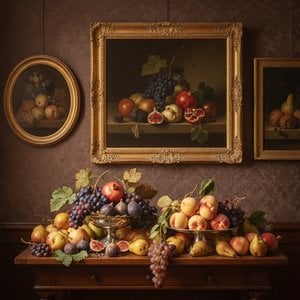
Three Red Apples

Gustave Courbet's 'Three Red Apples' (1871) is a seminal Realist masterpiece, capturing the beauty of simple fruit with bold brushstrokes and symbolic depth. Explore its legacy & artistic significance.

Gustave Courbet (1819-1877): Realismin pioneeri. Tutustu maalauksiin tavallisen ihmisen elämästä ja työelämästä, kuten 'Kylän hautajaisiin Ornansissa'. Löydä hänen vallankumouksellinen vaikutuksensa 1800-luvun taiteeseen.

Käsinmaalattu öljykopio

Käsinmaalattu öljyväri kankaalle haluamassasi koossa ja kehyksissä, taiteilijoidemme valmistamana tilauksesta. (Switch to Print Switch to PrintSwitch to Digital Image Switch to Digital Image)

P118B $10
P118H $10
P118W $10
P438Z $10
P508JH $12
P508YH $12
P805H $10
P805Z $10
P919BZ $10
P919G $10
P919XJ $10
P959ZH $10
P968JZ $12
W106C $8
W218G $10
W218JH $8
W218Y $10
W307PJ $10
W316G $10
W316PJ $8
W316Y $10
W398PJ $8
W4111J $10
W500HY $15
W500JH $15
W692G $12
W849H $8
W940BG $15
W953PJ $8

Vakiokoko
räätälöity
CM
INCH

Valitse valmiista mitoistamme sellaiset, jotka vastaavat teoksen alkuperäisiä mittasuhteita.

leveys
korkeus

Voit syöttää omat mitat sopimaan tiettyyn kehykseen tai tilaan. Jos valitsemasi koko ei vastaa alkuperäisen kuvan mittasuhteita, rajaamme taideteoksen tai jatkamme maalausta käsin maalatuilla elementeillä. Digitaalinen esikatselu lähetetään hyväksyttäväksi ennen tuotannon aloittamista.
Huomioithan, että näytöllä oleva esikatselu ei vastaa todellista rajausta tai jatkamista. Vain digitaalinen mallikuva näyttää lopullisen sommittelun tarkasti.
Vaikka mittatilaustyöt ovat mahdollisia, suosittelemme valitsemaan mitan ennalta määritetystä listasta alkuperäisten mittasuhteiden säilyttämiseksi.

Esimerkkejä muutettavissa olevista asioista: Vaihda kasvot asiakkaan omaan valokuvaan; Lisää lemmikki (esim. korvaa kissa koiralla); Lisää piilotettu viesti taustaan; Muuta taustan maisemaa tai elementtejä.
Tilauksen jälkeen WahooArt.com -tiimi lähettää asiakkaalle ohjeet ja esikatselukuvan.

Maailmanlaajuinen toimitus () 3–4 viikossa tavallisen 5 viikon sijaan. (9 syyskuu). Laadusta ei tingitä.

why_choose_icon
Ilmainen pikatoimitus ympäri maailman
why_choose_icon
Korkealaatuinen pellavakangas
why_choose_icon
Kattava kuljetusvakuutus
why_choose_icon
Tulliveron palautustakuu
why_choose_icon
Täydellinen värien vastaavuustakuu
why_choose_icon
100 päivän palautusoikeus (vain valmistusvirheet)
why_choose_icon
100% rahat takaisin -takuu
why_choose_icon
Määräalennus tarjous

Kokonaishinta

$ 272

reproduction

Three Red Apples

Reproduktiotekniikka

Replikaatin koko

-

Kokonaishinta

$ 272

Pikaista tietoa

  • Medium: Oil on canvas
  • Year: 1871
  • Title: Three Red Apples
  • Notable elements: Bold brushwork
  • Influences:
    • Romanticism
    • Dutch Masters
  • Movement: Realism
  • Dimensions: 195 x 315 cm

Taidevisa

Jokaisessa kysymyksessä on vain yksi oikea vastaus.

Kysymys 1:
What artistic movement is Gustave Courbet primarily associated with?
Kysymys 2:
The painting 'Three Red Apples' prominently features which of the following symbolic elements?
Kysymys 3:
What is a key characteristic of Courbet's brushwork in 'Three Red Apples'?
Kysymys 4:
In what year was 'Three Red Apples' painted?
Kysymys 5:
Where is ‘Three Red Apples’ currently housed?

Gustave Courbet’s Still Life of Red Apples: A Revolutionary Moment in Art

In 1871, at a pivotal moment in the history of art, Gustave Courbet presented the world with “Three Red Apples,” a deceptively simple composition that belies its profound significance. More than just a depiction of fruit on a table, this painting represents a radical shift in artistic practice – a deliberate rejection of academic conventions and a passionate embrace of Realism’s commitment to portraying everyday life with unflinching honesty. Housed within the esteemed Musée d'Orsay in Paris, this work stands as a testament to Courbet’s revolutionary vision and his enduring influence on subsequent generations of artists.

The Essence of Realism: Observation and Truth

Courbet’s Realism wasn’t merely about painting what one saw; it was about capturing the *truth* of that observation. He deliberately eschewed romantic idealization, historical grandiosity, or mythological narratives – subjects typically favored by the established art academies. Instead, he focused on the ordinary: a table, three apples, and the play of light upon their surfaces. This seemingly modest subject matter became a powerful statement in itself, asserting the validity of depicting the world as it truly was, without embellishment or judgment. The painting’s power lies precisely in its simplicity – a deliberate choice to strip away artifice and confront the viewer with the raw reality of the scene.

Symbolism Within Simplicity: Apples, Temptation, and Mortality

The apple itself is laden with symbolic weight, drawing upon centuries of artistic and cultural associations. In the biblical story of Adam and Eve, the forbidden fruit represents temptation, knowledge, and ultimately, humanity’s fall from grace. Throughout Western art history, apples have served as potent symbols – in Renaissance paintings they often signify beauty, love, and even mortality. Courbet masterfully utilizes this pre-existing symbolism, inviting viewers to contemplate the deeper meanings embedded within the seemingly straightforward arrangement of fruit. The vibrant red color further intensifies these associations, evoking both pleasure and a subtle sense of foreboding.

Technique and Composition: A Masterclass in Observation

Courbet’s technique is characterized by bold, expressive brushstrokes that capture the texture and form of the apples with remarkable accuracy. He employed a loose, painterly style – avoiding meticulous detail and instead focusing on conveying the essence of the subject matter. The composition is remarkably balanced, with the three apples arranged in a triangular formation that draws the eye across the canvas. The dark background serves to accentuate the brilliance of the fruit, creating a dramatic contrast of light and shadow. The subtle variations in color and tone – from the deep crimson of the apples to the muted browns and grays of the table – demonstrate Courbet’s keen observational skills and his ability to capture the nuances of everyday life.

Legacy and Influence: A Bridge to Modern Art

“Three Red Apples” is considered a pivotal work in the development of modern art. It paved the way for Impressionism, Cubism, and other movements that challenged traditional artistic conventions. Courbet’s commitment to depicting reality without idealization profoundly influenced artists like Paul Cézanne, who sought to capture the underlying structure of objects rather than their superficial appearance. The painting's directness and its focus on ordinary subjects resonated with a growing desire for art to reflect the experiences of everyday people – a sentiment that continues to inform artistic practice today. It remains a powerful reminder of Courbet’s revolutionary vision and his enduring legacy as one of the most important artists of the 19th century.


Taiteilijan elämäkerta

A Rebel’s Brush: The Life and Legacy of Gustave Courbet

Jean Désiré Gustave Courbet (1819-1877) was a transformative figure in the history of art, recognized as one of the foremost champions of Realism and an uncompromising voice for artistic liberty. His journey from humble beginnings in Ornans, France, to international acclaim wasn’t merely about mastering brushstrokes; it was fueled by a profound conviction that art should reflect the realities of everyday life – unidealized, honest, and imbued with social significance. Growing up amidst a burgeoning bourgeois family instilled in him a certain appreciation for material comfort, yet his artistic spirit demanded something more substantial: an unflinching gaze upon the world as it truly existed.

Early Influences and Artistic Training

Courbet’s formative years were marked by encouragement from his mother to pursue his passions for drawing and painting – a nurturing that would prove pivotal in shaping his artistic trajectory. Unlike many artists of his time who received aristocratic patronage, Courbet benefited from modest familial support, allowing him to enroll at the École des Beaux-Arts in Paris in 1839. However, he quickly recognized the limitations imposed by the academy’s rigid academic conventions and Romantic idealism. While acknowledging influences from Eugène Delacroix and Théodore Géricault – artists who explored dramatic narratives and emotional intensity – Courbet deliberately distanced himself from these approaches, prioritizing observation over imagination and striving for accuracy above all else. He sought to capture the essence of his subjects with meticulous detail, rejecting the embellishments characteristic of earlier artistic traditions.

The Birth of Realism: Challenging Artistic Conventions

Courbet’s artistic breakthrough arrived through a rejection of prevailing aesthetic standards. He wasn't captivated by mythological tales or heroic portrayals; instead, he turned his attention to the lives of ordinary people – laborers, peasants, and rural artisans – subjects largely ignored by the art establishment. This decision wasn’t merely stylistic; it represented a fundamental assertion about the dignity inherent in these marginalized communities. His early canvases explored landscapes and portraits, but soon focused on scenes depicting working-class life on an ambitious scale previously reserved for monumental historical paintings. Critics initially scorned his uncompromising realism, perceiving it as vulgar and lacking in artistic merit. Yet, Courbet steadfastly defended his vision, arguing that art should serve as a mirror to society – reflecting its complexities and contradictions without resorting to sentimental illusions. The Stone Breakers (1849), tragically destroyed during World War II, stands as an enduring emblem of this commitment to portraying the harsh realities of labor with unflinching honesty.

Major Works and Artistic Philosophy

Courbet’s artistic philosophy extended beyond subject matter to encompass technique. He championed a direct approach – applying paint thickly onto the canvas (impasto) – that emphasized the materiality of the medium itself. This method allowed him to convey texture and depth, capturing the physicality of his subjects with remarkable precision. His monumental canvases like A Burial at Ornans (1850-51), depicting a solemn funeral procession in his hometown, provoked considerable controversy due to their sheer size and lack of emotional grandeur. Courbet deliberately eschewed idealized representations, presenting the mourners as ordinary individuals grappling with grief – a bold departure from prevailing artistic conventions. He famously declared that he wanted “to paint what I see,” rejecting the notion that art should strive for beauty or moral upliftment. The Painter’s Studio (1855), an allegorical depiction of his own creative process, further solidified his conviction that art should reflect the artist's inner world and engage with broader social concerns.

Legacy and Influence

Gustave Courbet’s impact on subsequent artistic movements is undeniable. He profoundly influenced Impressionists and Post-Impressionists by liberating them from academic constraints and encouraging experimentation with new visual languages. His unwavering dedication to realism paved the way for artists who sought to depict the world authentically, prioritizing observation over imagination. Though initially dismissed as a provocateur, Courbet’s legacy endures as a testament to the transformative power of art – its ability to challenge conventions, provoke debate, and ultimately enrich our understanding of human experience. He died in 1877, leaving behind an unparalleled body of work that continues to inspire artists and scholars alike—a cornerstone of Realism and a beacon for artistic integrity.
Gustave Courbet

Gustave Courbet

1819 - 1877 , Ranska

Pikatiedot

  • Artistic Movement Or Style: Realismi
  • Artists Or Movements Influenced By This Artist:
    • Impressionismi
    • Postimpressionismi
  • Artists Who Influenced This Artist:
    • Eugène Delacroix
    • Théodore Géricault
    • Caravaggio
  • Date Of Birth: 31. heinäkuuta 1819
  • Date Of Death: 29. huhtikuuta 1877
  • Full Name: Gustave Courbet
  • Nationality: Ranskalainen
  • Notable Artworks:
    • Kivenhakkaajat
    • Kuolinmessu Ornansissa
  • Place Of Birth: Ornans, Ranska
Tutustu teoksiin, jotka on järjestetty aiheiden, tyylien ja ominaisuuksien mukaan.