Varhaiset Vuodet ja Taiteellinen Herääminen
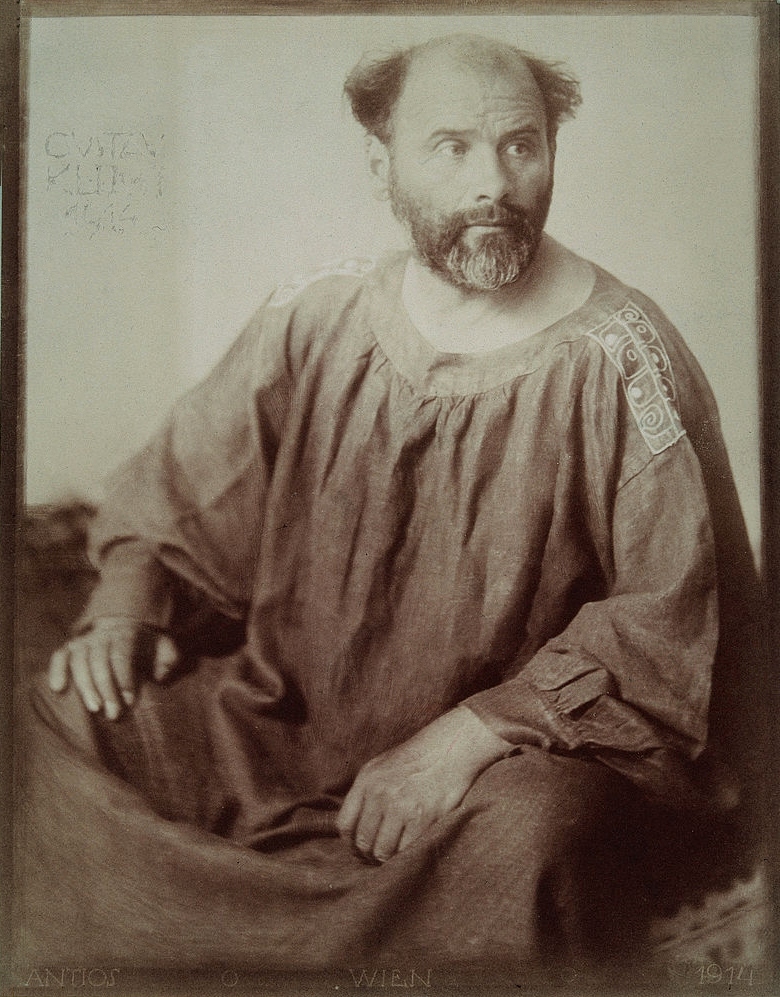
Gustav Klimt syntyi 14. heinäkuuta 1862 Baumgartenissa Wienin lähellä, perheeseen joka oli sekä taiteen että taloudellisten haasteiden värittämä. Hänen isänsä, Ernst Klimt, oli kultaseppä, ammatti joka hienovaraisesti mutta syvällisesti vaikutti nuoren Gustavin esteettiseen herkkyyteen – kullan lumo, tarkka yksityiskohtaisuus ja ylellisyys itsessään. Perheen kamppailut merkitsivät useita muutoksia Wienissä, levoton kasvuympäristö joka ehkä edisti Klimtin kykyä havainnoida ympäristöään ja herkkyyttä ihmiskokemukselle. Jo lapsena hänen piirustustaitonsa olivat poikkeukselliset, isän ammatin tukemat ja synnynnäinen lahjakkuus joka nopeasti tuli ilmeiseksi. Vuonna 1876 hän pääsi Wienin Kunstgewerbeschuleen (soveltavan taiteen koulu), aloittaen muodollisen koulutuksen arkkitehtoniseen maalaukseen Ferdinand Laufbergerin johdolla. Tämä antoi hänelle vankan teknisen pohjan, mutta altisti hänet myös vallitseville akateemisille tyyleille – tyyleille jotka Klimt lopulta haastaisi ja ylittäisi. Juuri täällä hän solmi tärkeän taiteellisen kumppanuuden veljensä Ernstin ja Franz von Matschin kanssa, yhteistyö joka turvasi varhaiset tilaukset koristeellisista seinämaalauksista ja katoista, luoden pohjan hänen tulevalle menestykselleen.
Wieniläisen Secessionin Nousu
1890-luvulla Klimt oli yhä pettyneempi Wienin konservatiiviseen taideyhteisöön. Hän janosi suurempaa luovaa vapautta, tilaa jossa innovaatio voisi kukoistaa ilman perinteiden rajoituksia. Tämä pyrkimys huipentui Wieniläisen Secessionin perustamiseen vuonna 1897, ratkaiseva hetki Itävallan taiteenhistorissa. Klimt valittiin sen ensimmäiseksi presidentiksi, tullen liikkeen johtohahmoksi joka pyrki irtautumaan jäykistä akateemisista normeista ja omaksumaan uusia taidesuuntauksia jotka pyyhkivät Euroopan ylitse – jugendtyyli, symbolismi ja japanilainen vaikutus. Secessionin oma näyttelyrakennus, Joseph Maria Olbrichin suunnittelema, tuli tämän kapinan symboliksi, temppeliksi omistautunut modernille taiteelle. Klimtin työ oli keskeistä Secessionin hengessä, ruumiillistaen sen hylkäystä tavanomaisesta estetiikasta ja sen omaksumista koristeellisista elementeistä, rohkeista väreistä ja symbolisesta kuvastosta. Hänen maalauksensa alkoivat tutkia rakkauden, kuoleman ja seksuaalisuuden teemoja ennennäkemättömällä avoimuudella, haastaen yhteiskunnallisia normeja ja herättäen sekä ihailua että paheksuntaa.
Kultainen Kaari ja Taiteellinen Kypsyys
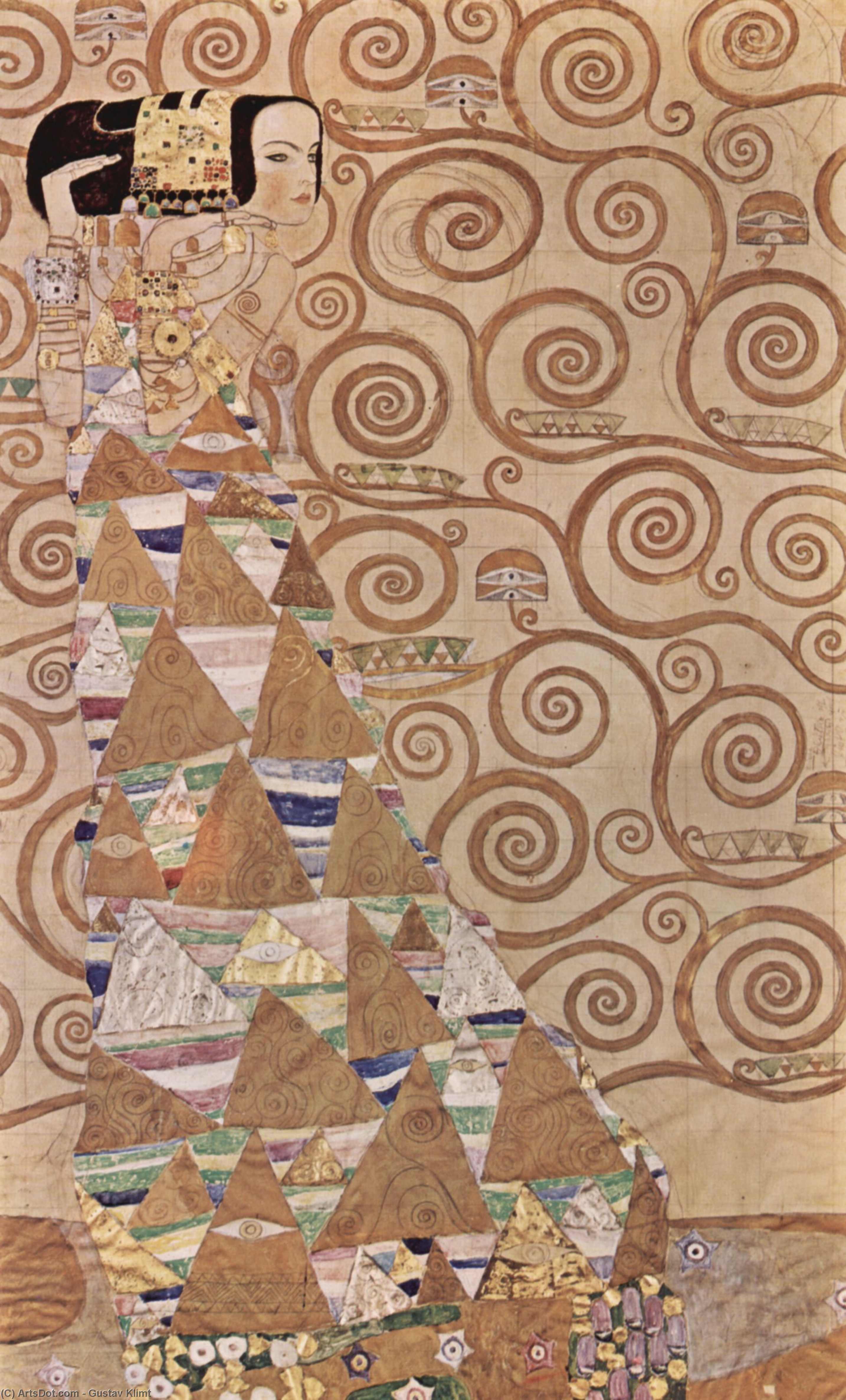
Noin vuonna 1900 Klimt astui siihen, mikä tunnetaan hänen “kultaisena kaaren”aan, ajanjaksoon jolle on ominaista kullan runsaasti käyttö bysanttilaisen mosaiikin ja keskiaikaisten valaistujen käsikirjoitusten inspiroimana. Tämä tekniikka muutti hänen maalauksensa kimalteleviksi, toisesta maailmasta tuleviksi visioiksi, jotka olivat täynnä henkistä syvyyttä ja aistillista viehätystä.
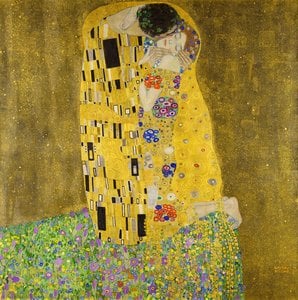
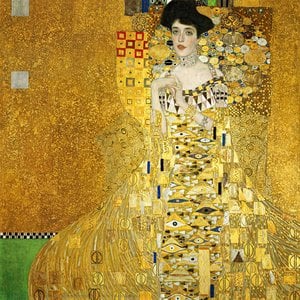
Suudelma (1907-1908), ehkä hänen tunnetuin työnsä, on esimerkki tästä tyylistä – pari lukittuna syleilyyn, kiedottu kultaiseen auraan, heidän vartalonsa koristeltu monimutkaisilla kuvioilla. Tänä aikana Klimt tuotti myös upeita muotokuvia, mukaan lukien *Adele Bloch-Bauerin muotokuva I* (1907), joka osoitti hänen kykynsä vangita paitsi fyysinen ulkonäkö myös kohteidensa psykologista monimutkaisuutta. Hän hämärsi yhä enemmän maalauksen ja koristelun rajat, integroimalla koristeellisia elementtejä sävellyksiinsä luodakseen harmonisen fuusion muodosta ja sisällöstä. Japanilaisen taiteen vaikutus – japanismi – oli erityisesti nähtävissä hänen litistyneessä perspektiivissään, viivan korostamisessa ja koristeellisten kuvioiden käytössä.
Kiistoja, Vaikutteita ja Kestävä Perintö
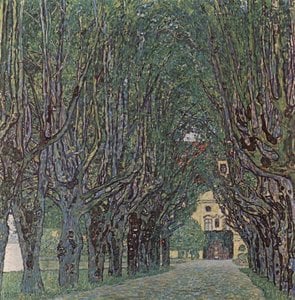
Klimtin ura ei ollut ilman kiistoja. Vuonna 1900 hän sai arvostetun tilauksen maalata kattomaalauksia Wienin yliopiston Suuressa salissa, edustaen filosofiaa, oikeustiedettä ja teologiaa. Nämä työt – erityisesti *Filosofia* – kuitenkin leimattiin provosoiviksi ja jopa pornografisiksi konservatiivisten kriitikoiden toimesta, mikä johti julkiseen kohuun ja lopulta sai Klimtin kieltäytymään lisätilauksista. Tämä tapaus oli käännekohta hänen urallaan, työntäen hänet kohti yksityistä suojeluspatronointia ja antaen hänelle suuremman luovan vapauden. Elämänsä aikana Klimt vaikutti monipuolisesti eri taiteilijoista ja tyyleistä – Hans Makartin historiallisista maalauksista Bysantin ja Japanin koristeelliseen taiteeseen. Hän sai inspiraationsa myös symbolistiliikkeestä, tutkien mytologian, allegorian ja tiedostamattoman teemoja. Gustav Klimt jatkoi ahkerasti maalaamista kuolemaansa asti 6. helmikuuta 1918 espanjalaisen influenssan aivohalvauksen vuoksi. Hänen myöhemmät työnsä tutkivat abstraktimpia muotoja ja maisemia, osoittaen jatkuvaa taiteellista kehitystä. Hänet tunnustetaan nyt yhtenä Itävallan taiteenhistorian tärkeimmistä hahmoista, Wieniläisen Secessionin johtavana edustajana ja jugendtyylin eleganssin kestäväksi symboliksi.
Hänen maalauksensa saavuttavat korkeita hintoja huutokaupoissa, ja hänen vaikutuksensa resonoi edelleen nykytaiteessa ja -suunnittelussa.
Keskeiset Ominaisuudet & Taiteellinen Tyyli
- Symbolismi: Klimtin työ on syvästi symbolista, tutkien usein rakkauden, kuoleman, seksuaalisuuden ja ihmisen olemassaolon teemoja.
- Jugendtyyli: Hän oli johtava jugendtyyliliikkeen hahmo, jolle on tunnusomaista sen orgaaniset linjat, koristeelliset kuviot ja kauneuden korostaminen.
- Kultainen Kaari: Kullan käyttö loi kimaltelevia, ylellisiä pintoja jotka tulivat hänen tunnusomaisiksi tyylikeinoikseen.
- Koristeelliset Elementit: Klimt integroi koristeellisia elementtejä sävellyksiinsä, hämärtäen maalauksen ja koristelun rajat.
- Naisen Muoto: Naisen vartalo oli keskeinen aihe hänen työssään, usein kuvattuna aistillisuudella ja psykologisella syvyydellä.



 Esikatselu
 Osta käsintehty maalaus
 Jaa
Jaa Jaa
Jaa
 Tarkemmat tiedot

 Lataa
Lataa
 Samanlaisia
 Röntgenkuva
 Diaesitys


 Näytä lisää






































 Lasivaihtoehto on saatavilla vain alle 110 cm kokoisina teoksina