

Museolaatuisia giclée- tai kankaitaulun tulosteita nopealla tuotannolla ja joustavilla viimeistelyvaihtoehdoilla. ( Osta käsinmaalattu taideteos Siirry digitaaliseen kuvaan)





























Valitse valmiista mitoistamme sellaiset, jotka vastaavat teoksen alkuperäisiä mittasuhteita.

Syötä tarvitsemasi leveys ja korkeus, jotta tuloste sopii kehyksiisi tai seinällesi. Tulostetta voidaan vain leikata, sitä ei voida koskaan suurentaa alkuperäistä kuvaa suuremmaksi, joten eri muotoinen koko aiheuttaa osan kuvasta katoamisen. Lähetämme sinulle digitaalisen mallikuvan hyväksyttäväksi ennen kuin aloitamme tulostuksen. Tällä sivulla näkyvä kuva ei näytä lopullista rajausta — vain mallikuva näyttää sen.
Maailmanlaajuinen toimitus () 2 viikossa tavallisen 4–5 viikon sijaan. (2 marraskuu)
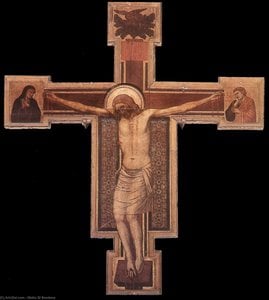
Crucifix (Florence)
Replikaatin koko
Teoksen Giotto di Bondone:n "Crucifix (Florence)" värien kylläisyys on Clear Color Presence. Kylläisyys kuvaa sitä, kuinka voimakkaita tai himmeitä värit ovat.
Tekijänoikeuksien osalta teos "Crucifix (Florence)" on vapaasti käytettävissä – tekijänoikeussuoja on päättynyt.
Teoksessa Giotto di Bondone:n "Crucifix (Florence)" on Gentle kontrasti vaaleiden ja tummien alueiden välillä.

Giotto di Bondone, syntynyt noin vuonna 1267 Firenzen lähellä Vespignanossa, on yksi kaikkien aikojen merkittävimmistä taiteilijoista. Hänen lapsuudestaan kiertää lukuisia legendoja, joissa kerrotaan nuoren Giotton piirtäneen eläväisiä lampaita kallioihin ja kiviin paimentaessaan laumojaan. Tarinat kertovat mestari Cimabuen huomanneen pojan lahjakkuuden ja ottaneen hänet oppilaakseen. Vaikka tarinan todenperäisyydestä kiistellään, se kuvaa osuvasti Giotton luontaisen kyvyn havainnoida ja kuvata maailmaa realistisesti – taitoa, joka mullisti tuolloisen taidemaailman.
Tuon ajan hallitseva bysanttilainen tyyli korosti litteitä kuvia, kultaa ja hengellistä symboliikkaa. Giotto kuitenkin pyrki kuvaamaan ihmisiä yksilöinä, tunteineen ja elämänkokemuksineen, sijoittaen heidät konkreettiseen tilaan. Cimabuen oppipoikana hän omaksui teknisiä taitoja, mutta alkoi nopeasti kehittää omaa ainutlaatuista tyyliään, joka poikkesi radikaalisti vallitsevasta perinteestä.
Giotton taiteellinen vallankumous ei ollut äkillinen muutos, vaan asteittainen kehitys. Hänen varhaiset teoksensa viittaavat jo tulevaan muutokseen, osoittaen kasvavaa painotusta volyymiin, painoon ja uskottavaan anatomiaan. Hän alkoi tarkkailla valoa ja varjoa ei pelkästään koristeellisina elementteinä, vaan välineinä muodon veistämiseen ja syvyyden luomiseen. Tämä orastava naturalismi näkyy hänen osallistumisessaan Assisin yläbasilikan freskoihin – vaikka tekijyyttä on kiistelty, monet tutkijat tunnistavat Giotton käden kohtauksissa, jotka poikkeavat selvästi vallitsevasta bysanttilaisesta estetiikasta.
Giotto ei hylännyt perinteitä kokonaan; hän rakensi niiden päälle, rikastuttaen niitä uudella inhimillisyyden ja tunteiden syvyydellä. Hän ymmärsi narratiivin voiman, luoden sommitelmia, jotka kertoivat tarinoita ei jäykän symboliikan kautta, vaan ilmeikkäiden eleiden, uskottavien vuorovaikutusten ja huolellisesti rakennettujen ympäristöjen avulla.
Giotton mestariteos, ja yksi länsimaisen taiteen historian tärkeimmistä teoksista, on Scrovegnin kappelin (tunnetaan myös Arena Chapelina) freskokokonaisuus Padovassa. Vuonna 1305 valmistunut hengästyttävä sarja kuvaa Kristuksen ja Neitsyt Marian elämää ennennäkemättömällä realismilla ja tunteiden voimalla. Jokainen kohtaus avautuu kuin huolellisesti lavastettu näytelmä, jossa hahmot eivät ole pelkästään uskonnollisten arkkityyppien esityksiä, vaan täysiverisiä ihmisiä kokemassa iloa, surua, pelkoa ja toivoa.
Viimeinen Tuomio, joka hallitsee koko seinää, on voimakas todiste Giotton taidosta välittää sekä jumalallista majesteettisuutta että ihmiskunnan haavoittuvuutta viimeisessä tuomiossa. Perspektiivin käyttö, vaikka se ei olekaan matemaattisesti täydellistä myöhempien renessanssimaalareiden standardeilla, luo vakuuttavan illuusion syvyydestä ja vetää katsojan osaksi tarinaa. Hahmot ovat maadoitettuja, niiden vartaloilla on painoa ja volyymiä, ja niiden ilmeet välittävät tunteita, joita ei aiemmin oltu nähty uskonnollisessa taiteessa.
Giotton lahjakkuudet eivät rajoittuneet maalaamiseen; hän oli myös arvostettu arkkitehti. Vuonna 1334 hänet kutsuttiin suunnittelemaan Firenzen tuomiokirkon kellotapulin, projektin, joka osoitti hänen innovatiivista lähestymistapaansa arkkitehtoniseen muotoiluun. Vaikka hän kuoli ennen sen valmistumista, hänen suunnitelmansa loivat pohjan tälle ikoniselle Firenzen maamerkille.
Hänen vaikutuksensa myöhempiin taidesukupolviin on mittaamaton. Hän silmoitti keskiajan ja renessanssin maailman välisen kuilun, luoden pohjan mestareille kuten Masacciolle, Leonardolle da Vincille ja Michelangelolle. Vasari mainitsi Taiteilijaelämäkertoja-teoksessaan Giotton “antaneen maalaukselle suuren taidon tehdä asioita elävästä”, mikä on todiste hänen syvällisestä vaikutuksestaan länsimaisen taiteen kulkuun. Giotto ei pelkästään kuvannut maailmaa; hän pyrki ymmärtämään sitä, vangitsemaan sen olemuksen ja välittämään tämän ymmärryksen visuaalisen tarinankerronnan voiman kautta. Hänen perintönsä inspiroi edelleen ihmetystä ja kunnioitusta vuosisatojen kuluttua hänen kuolemastaan, vahvistaen paikkansa yhtenä historian suurimmista taiteellisista uudistajista.

1267 - 1337 , Italia

Explore the profound transition from Medieval to Renaissance art. Discover how Giotto’s revolutionary emotional realism and innovative frescoes redefined Western art history during the Proto-Renaissance era.

Embark on a scholarly journey through the sacred beauty of High Medieval art. Discover the profound symbolism, luminous iconography, and spiritual depth of Gothic masterpieces in this expert guide for classical art enthusiasts.

Embark on a profound journey through art history with our exploration of Saint Francis's most iconic works. Discover Giotto’s revolutionary frescoes and the spiritual depth of Proto-Renaissance masterpieces through an expert lens for the true classic art enthusiast.
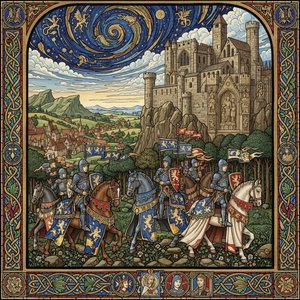
Explore the profound beauty of medieval art through the lens of history. Discover the symbolism of knights, the divine frescoes of Giotto, and how legendary masterpieces continue to inspire modern collectors and lovers of chivalric heritage.

Embark on a visual journey through Early Medieval art. Explore the profound beauty of illuminated manuscripts, sacred symbols, and golden light through an expert historical lens, celebrating the enduring legacy of medieval craftsmanship and divine artistry.
 Esikatselu
 Jaa teos
 Jaa
Jaa
 Tiedot
 Opas
Opas

 Lataa kuva
 Samanlaisia kohteita
 Röntgenkuvaus
 Diaesitys
 Q&A
Q&A Tilastot

 Lue lisää









 Lasivaihtoehto on saatavilla vain alle 110 cm kokoisille teoksille



![Legend Of St Francis - [08] - Vision Of The Flaming Chariot — Giotto Di Bondone, Gothic And Proto-renaissance](/media/artworks/images-thumb/65/6e/656e345ff55e49ce2e4377a050b85aa1.jpg)


![Legend Of St Francis - [21] - Apparition To Fra Agostino And To Bishop Guido Of Arezzo — Giotto Di Bondone, Proto-renaissance](/media/artworks/images-thumb/8a/06/8a0632ef03ba49f12919faa78718a88b.jpg)


![Scrovegnin - Jäähyvä (yksityiskohta) [03]](/media/artworks/images-thumb/7d/a9/7da93e3737abc9f37453cee26f9f9796.jpg)
