Esikatselu Esikatsele AR-tilassa Vaihda tulosteeseen Osta käsintehty maalaus Jaa
Tarkemmat tiedot Lisää suosikkeihin Lataa Samanlaisia Röntgenkuva Diaesitys Tilastot

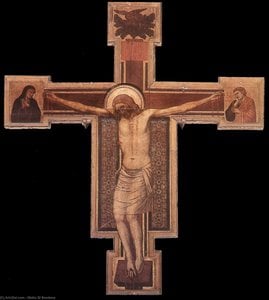
Altar Cross

Marvel at Gian Lorenzo Bernini's 'Altar Cross,' a breathtaking Baroque masterpiece showcasing intricate detail and divine artistry from 1657, now available as a hand-painted reproduction.

Gian Lorenzo Bernini (1598–1680): Barokki-veistäjä ja arkkitehti, jonka dramaattiset teokset, kuten Pyhän Teresian Ekstaasi, inspiroivat edelleen.

Osta korkearesoluutioinen, parannettu digitaalikuva, joka on laadultaan huomattavasti parempi kuin verkkosivuston esikatselu.

Jokainen tiedosto valmistellaan huolellisesti omien asiantuntijoidemme toimesta käyttäen edistyneitä työkaluja ja ammattitaitoista manuaalista retusointia. Varmistamme, että jokaisessa kuvassa on poikkeuksellinen selkeys, tarkka värintoisto ja hienovaraiset yksityiskohdat.

Lopputiedosto toimitetaan sähköpostitse 72 tunnin kuluessa, ja se on optimoitu välittömään käyttöön ammattimaisissa, toimituksellisissa ja painoympäristöissä. Laatu on sama, johon huipputason suunnittelustudiot, kustantajat ja galleriat luottavat.

Digitaalinen kuva

Lataa korkearesoluutioinen tiedosto henkilökohtaiseen näyttelyyn, tulostamiseen ja luoviin projekteihin. ( Vaihda tulosteeseen Osta käsintehty maalaus)

Kokonaishinta

$ 24,90

Sisältyy jokaiseen digitaalisen kuvan tilaukseen

Asiantunteva digitaalinen toimitus, taattuun laatuun

Kun valitset WahooArt.com-palvelun, et saa vain kuvaa – saat ammattimaisesti parannetun digitaalisen taideteoksen, joka on luotu tarkkuudella ja jonka takaa tulee tyytyväisyystakuu. Tässä on kaikki, mitä tilauksesi sisältää, automaattisesti:

shipping_icon
Nopea digitaalinen toimitus

Korkearesoluutioinen digitaalinen kuvatiedostosi lähetetään sähköpostiisi 72 tunnin kuluessa tilauksesta – valmiina käytettäväksi välittömästi.

canvas_icon
Tekoälyllä parannettu digitaalinen tiedosto

Taiteilijasi teos on optimoitu ammattimaisesti edistyneiden tekoälytyökalujen ja manuaalisen muokkauksen avulla, mikä takaa maksimaalisen yksityiskohtaisuuden, selkeyden ja väritarkkuuden.

insurance_icon
Ilmainen elinikäinen uudelleenlähetyspalvelu

Oletko vahingossa poistanut tai kadottanut tiedostosi? Ei hätää – lähetämme sen sinulle uudelleen milloin tahansa täysin maksutta.

tax_icon
Ei tuontimaksuja – koskaan

Nauti taiteestasi välittömästi ilman tulleja, veroja tai toimitusmaksuja – digitaaliset lataukset ovat aina verovapaita.

color_icon
Värintoiston tarkkuustakuu

Varmistamme, että digitaalinen kuvasi vastaa alkuperäisiä värejä mahdollisimman tarkasti käyttämällä ammattilaistason työkaluja ja värinhallintaa.

return_icon
100 päivän tyytyväisyystakuu

Jos et ole tyytyväinen digitaaliseen kuvaasi, muokkaamme sitä tai palautamme 100% hinnan 100 päivän kuluessa – kysymystä ei esitetä.

guarantee_icon
100% Rahat takaisin -takuu

Et ole tyytyväinen? Saat täyden hyvityksen 100 päivän kuluessa digitaalisen tiedostosi vastaanottamisesta – kysymystä ei esitetä.

discount_icon
Suurtilaaja-alennukset

Osta 3 kuvaa, säästä 10% - Osta 5, säästä 15% - Osta 10+, säästä 20%. Erinomainen valinta luoviin projekteihin, gallerioille ja toimistoille.

Pikaista tietoa

  • Year: 1657-1661
  • Artist: Gian Lorenzo Bernini
  • Dimensions: Height: 185 cm
  • Influences: Michelangelo
  • Medium: Bronze (corpus)
  • Movement: Baroque
  • Subject or theme: Christianity, Crucifixion

Taidevisa

Jokaisessa kysymyksessä on vain yksi oikea vastaus.

Kysymys 1:
What is the primary subject depicted in the image of the ‘Altar Cross’?
Kysymys 2:
Who is the artist credited with creating the ‘Altar Cross’?
Kysymys 3:
According to the description, what is a notable feature of the cross's arms?
Kysymys 4:
In what historical period was the ‘Altar Cross’ created?
Kysymys 5:
What artistic style is most closely associated with the ‘Altar Cross’?

The Altar Cross by Gian Lorenzo Bernini: A Testament to Baroque Drama

Gian Lorenzo Bernini’s “Altar Cross,” crafted in 1657-61 and currently residing within the Treasury of St. Peter's Basilica, is more than just a religious object; it’s a breathtaking embodiment of the High Renaissance’s dramatic shift into the Baroque era. This magnificent bronze sculpture transcends its functional purpose as an altar piece, transforming into a dynamic tableau of faith, suffering, and divine grace. Bernini, already establishing himself as Rome's foremost sculptor, masterfully utilizes texture, movement, and emotional intensity to create a work that continues to captivate viewers centuries after its creation.

The sculpture depicts the crucified Christ, rendered with an unprecedented level of realism and pathos. The figure’s body, sculpted from gleaming bronze, is not idealized but rather imbued with the raw physicality of pain. Bernini meticulously captures the subtle details – the clenched muscles, the contorted limbs, the downward gaze – conveying a profound sense of agony while simultaneously radiating an aura of serene acceptance. Crucially, he avoids the static representation often found in earlier Christian art; Christ’s body appears to be caught mid-movement, as if enduring his final moments with agonizing intensity. This dynamism is further emphasized by the dramatic lighting within the Treasury, which casts long shadows and highlights the contours of the sculpture, intensifying its emotional impact.

A Masterclass in Baroque Technique

Bernini’s skill as a sculptor is immediately apparent in the sheer virtuosity displayed throughout the “Altar Cross.” He employs a technique known as *terrecotta*, using a clay-based material that he then fired to create a durable bronze. This method allowed him to achieve an astonishing level of detail and surface texture, particularly evident in the folds of Christ’s drapery and the intricate carvings on the cross's arms. The use of *lost wax casting* – a process where a wax model is created and then melted out to leave a mold into which molten bronze is poured – ensured that every curve and contour was perfectly rendered. Bernini wasn’t simply sculpting; he was manipulating metal with an almost alchemical precision, transforming cold, hard material into a vessel for profound emotion.

Furthermore, the sculpture's composition is brilliantly conceived. The cross itself isn’t merely a structural element but becomes an integral part of Christ’s body, visually merging with his limbs and torso. The small figures adorning the arms – angels or cherubs – are not static additions but seem to be caught in moments of empathetic sorrow, mirroring Christ's suffering. This interwoven design creates a powerful sense of unity and reinforces the sculpture’s central theme: the shared experience of pain and redemption.

Historical Context and Patronage

Bernini’s “Altar Cross” was commissioned during a period of immense artistic and political upheaval in Rome. The papacy, under Pope Alexander VII (and later Urban VIII), was actively engaged in commissioning monumental works of art to glorify the Church and assert its power. Bernini, as the papal sculptor, was at the heart of this artistic renaissance. His work served not only as religious iconography but also as a potent symbol of Rome’s enduring legacy and spiritual authority. The commission itself reflects the growing emphasis on emotional engagement within Christian art – a departure from the more austere styles of the preceding era.

The sculpture's placement within St. Peter's Basilica, specifically in the Treasury, further underscores its significance. The Treasury, traditionally used to store the Church’s wealth and sacred objects, provided an ideal setting for this dramatic centerpiece. It speaks to the intersection of faith, power, and artistic expression that defined Baroque Rome.

Symbolism and Emotional Resonance

Beyond its technical brilliance, the “Altar Cross” is rich in symbolic meaning. The crucifixion itself represents Christ’s sacrifice for humanity's sins – a central tenet of Christian belief. The downward gaze of Christ symbolizes humility and acceptance of his fate. The outstretched arms evoke the image of a loving embrace, offering salvation to all who believe. The angels or cherubs represent divine compassion and support. Bernini doesn’t simply depict a historical event; he conveys an emotional truth – the profound sorrow and ultimate hope associated with Christ's sacrifice. The sculpture invites contemplation on themes of suffering, redemption, and the enduring power of faith, making it a timeless masterpiece that continues to resonate with viewers today.


Taiteilijan elämäkerta

A Roman Genius: The Life and Legacy of Gian Lorenzo Bernini

Gian Lorenzo Bernini’s name is inextricably linked to the heart of Rome, a city he profoundly shaped through his extraordinary talent as a sculptor, architect, and artist. Born in Naples in 1598, he arrived in the Eternal City as a young boy, inheriting not only his father Pietro’s sculpting skills but also a deep reverence for the classical heritage that permeated Roman life. From these early influences blossomed an artistic vision unlike any seen before – one characterized by intense emotion, dramatic movement, and a masterful command of marble that would forever redefine Baroque art. Bernini wasn't merely a craftsman; he was a true *uomo universale*, a Renaissance man who seamlessly blended disciplines to create experiences that captivated the senses and stirred the soul.

Sculpting Emotion: The Birth of Baroque Drama

Bernini’s genius lay in his ability to imbue stone with life, transforming inert marble into expressions of profound psychological depth. He rejected the static beauty favored by the Renaissance, embracing instead a dynamic, theatrical style that became the hallmark of the Baroque period. His sculptures weren't simply representations of figures; they were moments captured in time – frozen expressions of intense emotion, dramatic narratives, and spiritual ecstasy. Consider *The Ecstasy of Saint Teresa*, housed within the Cornaro Chapel. The swirling composition, with its luminous marble clouds and the saint’s rapturous expression, is a testament to Bernini's skill in conveying not just physical form but also the very essence of a mystical experience. Similarly, *Apollo and Daphne* captures the fleeting moment before Daphne transforms into a laurel tree, showcasing Bernini’s mastery of texture – the flowing hair, the delicate skin, the rustling leaves – all rendered with breathtaking realism. This wasn't simply sculpting; it was breathing life into stone, inviting viewers to become participants in the drama unfolding before their eyes.

Beyond Sculpture: Architecture and Urban Visions

Bernini’s artistic ambition extended far beyond the confines of sculpture. He possessed a remarkable versatility as an architect and urban planner, fundamentally reshaping the cityscape of Rome. His designs weren't conceived in isolation but were always integrated with his sculptural work, creating unified artistic experiences that blurred the boundaries between disciplines. The monumental Baldacchino above the high altar of St. Peter’s Basilica stands as the most striking example of this holistic approach – a soaring bronze canopy that dominates the space and draws the eye upwards in awe. Bernini also played a pivotal role in redesigning several Roman piazzas, transforming them into vibrant public spaces filled with fountains, statues, and architectural grandeur. The *Fountain of the Four Rivers* in Piazza Navona is particularly noteworthy, its allegorical figures representing major rivers from different continents – a testament to Bernini’s ability to create dynamic and engaging urban environments that celebrated both Roman power and global connection.

A Lasting Influence: Bernini’s Historical Significance

Gian Lorenzo Bernini's impact on Western art is immeasurable. His innovative approach to sculpture established the Baroque style as a dominant force in European art for over a century, influencing generations of artists with his dramatic compositions and technical virtuosity. He wasn’t merely an imitator of classical forms; he synthesized them with a new sense of dynamism and emotional intensity, creating something entirely original. His integration of sculpture, architecture, and painting into unified artistic experiences set a new standard for artistic expression, demonstrating the power of art to engage all the senses and evoke profound emotions. As Howard Hibbard eloquently noted, “What Shakespeare is to drama, Bernini may be to sculpture: the first pan-European sculptor whose name is instantaneously identifiable with a particular manner and vision, and whose influence was inordinately powerful.” His works continue to inspire awe and admiration, solidifying his place as one of history’s most important artists – a true *uomo universale* whose legacy continues to resonate today.

Family & Further Achievements

  • Pietro Bernini: Gian Lorenzo’s father, a sculptor who provided early training and guidance.
  • Cardinal Scipione Borghese: An early patron whose commissions allowed Bernini to develop his signature style.
  • Pope Urban VIII: Bernini's most significant patron, providing extensive opportunities for architectural and sculptural projects in Rome.
  • Architectural Projects: Beyond St. Peter’s Basilica, Bernini designed churches like Sant’Andrea al Quirinale and contributed to the design of Palazzo Barberini.
  • Theatrical Designs: He was also a playwright and stage designer, creating elaborate sets and machinery for theatrical productions.
Gian Lorenzo Bernini

Gian Lorenzo Bernini

1598 - 1680 , Italia

Lyhyesti esiteltynä

  • Artistic Movement Or Style: Barokki
  • Artists Or Movements Influenced By This Artist:
    • Barokkiskulptur
    • Euroopan taide
  • Artists Who Influenced This Artist:
    • Pietro Bernini
    • Michelangelo
  • Date Of Birth: 7. joulukuuta 1598
  • Date Of Death: 28. marraskuuta 1680
  • Full Name: Gian Lorenzo Bernini
  • Nationality: Italian
  • Notable Artworks:
    • Ecstasy Teresa
    • Apollo Daphne
    • David
  • Place Of Birth: Napoli, Italia