
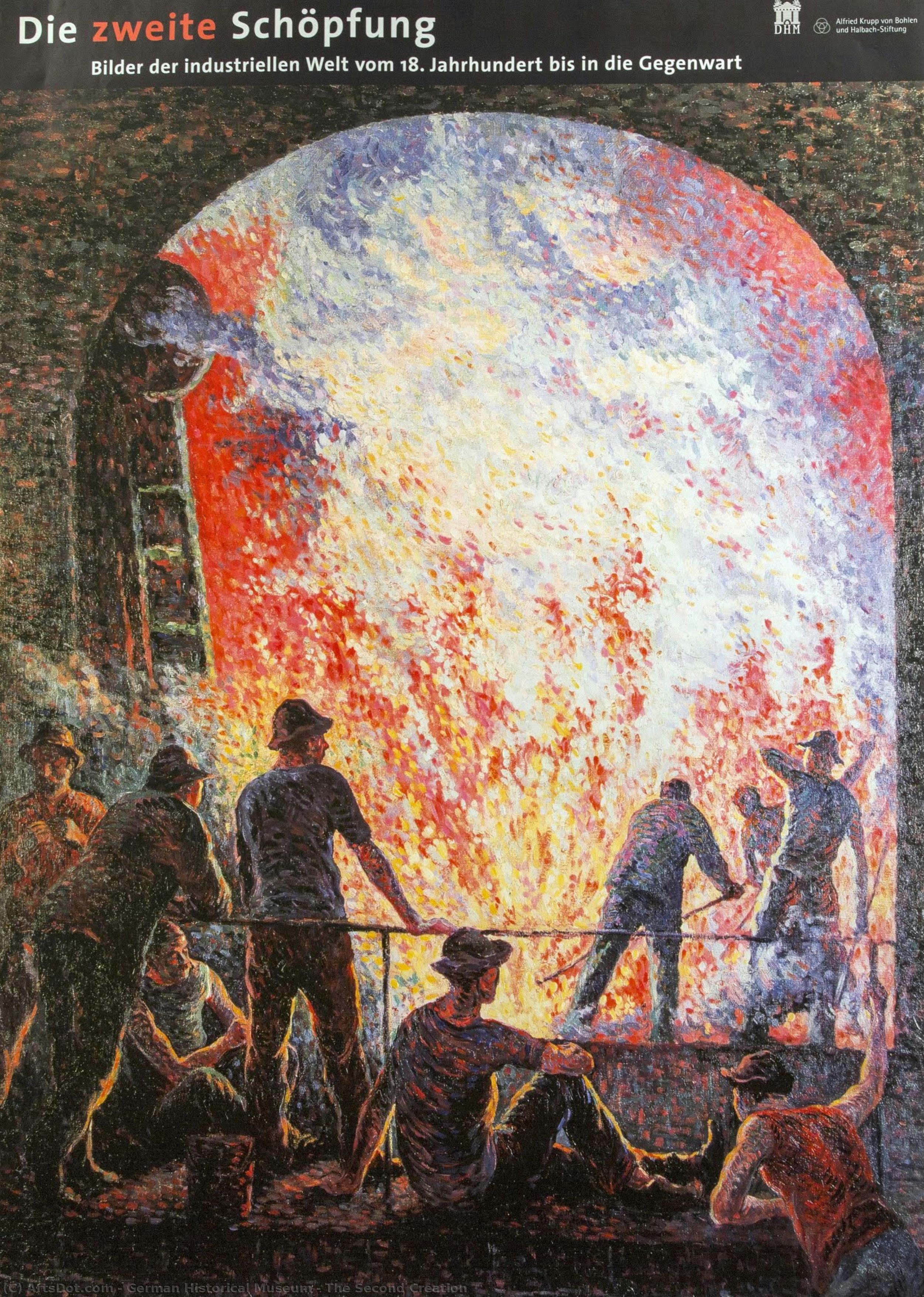
Tällä sivulla esitettyä taideteosta suojaa tekijänoikeuslaki, mikä tarkoittaa, ettemme voi laillisesti luoda tai myydä täsmälleen samanlaista jäljennöstä. Tämä suoja toteutetaan kansainvälisten sopimusten, kuten esimerkiksi Berne-konventio ja kansallisilla laeilla, mukaan lukien niillä määritellyt Yhdysvaltain tekijänoikeuslaki – Luku 17. Kaikki oikeudet pidätetään. Luvaton kopiointi tai jäljittely on kielletty.
Tämä menetelmä noudattaa täysin tekijänoikeussäännöksiä, sillä se ei sisällä suojatun taideteoksen kopioimista tai jäljentämistä. Sen sijaan kyseessä on luova uudelleentulkinta – uusi maalaus, joka ammentaa vaikutteita alkuperäisestä, mutta ei ole sen identtinen kopio.
Museolaatuisia giclée- tai kankaitaulun tulosteita nopealla tuotannolla ja joustavilla viimeistelyvaihtoehdoilla. ( Osta käsinmaalattu taideteos Siirry digitaaliseen kuvaan)
Valitse valmiista mitoistamme sellaiset, jotka vastaavat teoksen alkuperäisiä mittasuhteita.

Syötä tarvitsemasi leveys ja korkeus, jotta tuloste sopii kehyksiisi tai seinällesi. Tulostetta voidaan vain leikata, sitä ei voida koskaan suurentaa alkuperäistä kuvaa suuremmaksi, joten eri muotoinen koko aiheuttaa osan kuvasta katoamisen. Lähetämme sinulle digitaalisen mallikuvan hyväksyttäväksi ennen kuin aloitamme tulostuksen. Tällä sivulla näkyvä kuva ei näytä lopullista rajausta — vain mallikuva näyttää sen.
Maailmanlaajuinen toimitus () 2 viikossa tavallisen 4–5 viikon sijaan. (16 marraskuu)
The Second Creation
Replikaatin koko

In the heart of Berlin, where the echoes of imperial grandeur meet the transparent promise of modernity, stands the Deutsches Historisches Museum (DHM). It is not merely a repository for relics but a living, breathing dialogue between the past and the present. Situated within the historic Zeughaus—a formidable 17th-century armoury that once pulsed with the military ambition of Prussia—the museum offers a profound architectural juxtaposition. Here, the heavy, weathered brickwork of the old world finds its counterpart in the luminous, contemporary additions designed by the visionary I. M. Pei, creating a space where history is not just stored, but actively interpreted.
The museum serves as a vital sanctuary for German and European identity, acting as a place of enlightenment and understanding. Its collections are meticulously integrated into three distinct museum areas, arranged in a chronological journey that allows visitors to trace the evolution of a nation. From the formidable arsenal of the Zeughaus to the specialized Museum für Deutsche Geschichte, every exhibit serves as a testimony to the complex, often tumultuous, shared history of Germans and Europeans. It is a site where the weight of tradition meets the clarity of modern scholarship.
To walk through the halls of the German Historical Museum is to navigate a landscape shaped by both conflict and reconstruction. The museum’s location on the Unter den Linden, just across the Spree from the legendary Museum Island, places it at the very epicenter of Berlin's cultural soul. The Zeughaus itself, once an arsenal for Prussian military might, provides a rugged, historical foundation that grounds the collection in the physical reality of power and defense. This historic structure is seamlessly connected to a modern exhibition hall, a feat of architectural brilliance that symbolizes the transition from a closed, imperial past to an open, democratic future.
The museum’s mission extends far beyond the mere display of objects; it seeks to foster a deeper connection to the shared heritage of a continent. Through its curated exhibitions, the DHM explores themes of:
The significance of the German Historical Museum lies in its ability to act as a bridge across time. By housing artifacts that range from medieval armaments to contemporary political documents, it provides the necessary context for understanding the modern world. The museum does not shy away from the difficult chapters of history; rather, it uses them as essential components of a larger narrative of resilience and change. It remains one of the most important and frequently visited institutions in Berlin, standing as a testament to the enduring power of historical memory.
As a cornerstone of Berlin's cultural landscape, the DHM continues to evolve, ensuring that the stories of the past remain relevant to the generations of the future. It remains a place where every artifact tells a story, and every visitor becomes a participant in the ongoing process of historical discovery.

Germany

Explore the cultural significance of fine art reproduction & its appeal to discerning collectors. Discover how reproductions enhance aesthetics, build collections, and signal status. Expert insights & museum-quality artistry.
 Esikatselu

 Jaa teos
 Jaa
 Tiedot
 Opas


 Lataa kuva
 Samanlaisia kohteita
 Röntgenkuvaus
 Diaesitys
 Kysymykset ja vastaukset

 Tilastot


 Lue lisää






































 Lasivaihtoehto on saatavilla vain alle 110 cm kokoisille teoksille


