Taiteilijan elämäkerta
A Life Shaped by Division: The Early Years and Artistic Formation of Gerhard Richter
Gerhard Richterin tarina on tiiviisti yhteydessä 20-luvun Saksalaisen historian jakautuneeseen historiaan. Hän syntyi Dresdenissä vuonna 1932, ja hänen lapsuutensa kului nousseman Neuvostoliiton vaikutuksen alla. Tämä varhainen ajanjakso, jota leimasi siirtymä – perhe muutti useita kertoja sodan aikana – loi hänelle syvän epävarmuuden tunteen ja kyseenalaistavan mielen, joka läpäisi hänen taiteellista käytäntöään vuosikymmenten ajan. Varhaisten lapsuusympäristönsä idylliset maisemat Reichenaussa ja Waltersdorfissa häirittiin pian konfliktilla, jättäen jäljen hänen psykologiaan. Hänen isänsä, vaikka hän ei ollutkaan vahva tukija Natsijohtajalle, navigoi elämän monimutkaisuudet autoritaarisen vallan alla opettajana, kun taas äitinsä edisti kirjallisuuden ja musiikin rakkautta perheessä. Tämä dynaaminen – käytännöllinen hyväksyntä tilanteelle yhdistettynä kulttuurilliseen ilmaisun kaipaukseen – muotosi Richterin oman taiteellisen lähestymistavan. Hän aloitti virallisella koulutuksellaan Dresdenin Taideakatemian kautta vuonna 1951, upottaen itsensä aluksi sosialistisen realismin perinteeseen, jonka Itä-Saksa vaati. Vaikka tämä rajoittava ympäristö oli olemassa, taiteellisen vapauden himo kiehtoi pinnan alla, vahvistettuna kasvavana tyytymättömyyden tunteena ideologisiin rajoituksiin ja haluun tutkia laajempia luovia mahdollisuuksia.
Pääseminen Rajoitusten Ulkopuolelle: Düsseldorf ja Tyylin Tutkiminen
Vuosi 1961 osoittautui ratkaisevaksi. Richter, yhdessä vaimonsa Marianne Eufingerin kanssa, teki rohkean päätöksen paeta Itä-Saksaa etsien turvaa Düsseldorfin vilkkaassa taideskenessä. Tämä siirtymä merkitsi hänentaiteellisen polkunsa radikaalia muutosta. Länsisaksan maisema tarjosi vapauttavan ympäristön, jossa kokeilu ja innovaatio eivät ainoastaan olleet sallittuja vaan myös aktiivisesti kannustettuja. Düsseldorfiläisten taiteilijoiden yhteisössä heitä kiinnosti kysymykset identiteetistä, esityksestä ja historian perinnöstä. Hän alkoi nopeasti hajottaa sosialistisen realismin jäykkää tyylillistä konventiota ja aloitti intensiivisen tutkimusjakson, joka määrittelisi hänen varhaista aikuisiän taidettaan. Tänä aikana hän kiersi näennäisesti erilaisia lähestymistapoja – valokuvauksen pohjittelemasta realismista abstraktteihin komposiitioihin, joissa oli rohkeita värejä ja liikkuvia siveltimiä. Yhteistyö Sigmar Polken kanssa johti termin ‘Kapitalistinen Realismi’ keksimiseen, joka heidän yhteisvaikutuksessaan kuvasi epämääräistä suhtautumistaan perinteisiin taiteellisiin normeihin ja massamediassa käytettyjen kuvien hyödyntämistä. Tämä aikakausi ei ollut tarkoitettu löytämään *yhtä* tyyliä, vaan kyseenalaistamaan itse ajatuksen tyylillisen johdonmukaisuuden olemuksesta, omaksumalla vastakohtaamista perustavanlaatuisena periaatteena.
Rajojen Hämärtäminen: Valokuvauksen, Abstraktion ja Onnen Voiman Tutkiminen
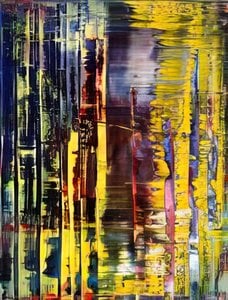
Richterin taiteellinen sanasto laajeni 1960-luvulla ja sen jälkeen huomattavasti. Hänen valokuvauspohjaiset maalauksensa, jotka perustuivat usein perhekuviin tai uutisten kuvituksiin, eivät ole vain todellisuuden kopioita vaan myös tutkimuksia havainnon ja esityksen luonteesta. Huolellisesti renderöimällä nämä kuvat lähes kliinisellä tarkkuudella hän pakottaa katsojat kohtaamaan valokuva-todellisuuden inherentin epävarmuuden. Samanaikaisesti Richter syventyi abstraktioon, luoden pintaan värikkäitä kerroksia ja liikkuvia siveltimiä. Nämä abstraktit teokset on usein luotu ainutlaatuisella tekniikalla, jossa hän käyttää esimerkiksi ikkunanpesurin kaltaista työkalua, joka vedetään maalipinnan yli odottamattomilla tavoilla. Tämä sattuman hyväksyminen ja spontaanius on keskeistä hänen taiteellisen filosofiansa kannalta, mahdollistaen kontrollin luopumisen ja odottamattomien tulosten kutsumisen. Hänen ‘Värikartat’, järjestelmälliset värien neliöiden asettelut, haastavat edelleen perinteisiä taiteellisia käsityksiä esittämisestä kyseenalaistaen itse maalaustilan olemuksen. Nämä teokset eivät ole yksittäisten esteettisten mieltymysten tarkoituksena vaan tutkivat värin luontaisten ominaisuuksien ja niiden organisatoristen mahdollisuuksien tutkimista.
Perintö ja Vaikutus: Nykytaiteen Mestari
Gerhard Richterin vaikutus nykytaiteeseen on kiistaton. Hänen halunsa haastaa konventiot, hänen jatkuva kokeilunsa tekniikassa ja syvällinen sitoutumisensa historiallisten ja poliittisten teemojen tutkimiseen ovat vakiinnuttaneet hänet yhdeksi aikamme tärkeimmistä taiteijoista. Hänen onnistunut vastustamaan helppoa luokittelua, kieltäytyen yrittämästä määritellä hänen työtään yksittäisen tyylillisen kehyksen sisällä. Tämä vältteleminen määrittelemisestä yhdessä hänen teknisen taitonsa ja älyllisen tiukkautensa kanssa on ansainnut hänelle laajaa kriittistä arvostusta ja merkittävää kaupallista menestystä – hänen maalauksiaan myydään usein ennätysmaksuja huutokaupoissa. Mutta syvempänä on kuitenkin merkitys. Richterin taide puhuu modernin olemassaolon monimutkaisuuksista, käsittelee muistojen, identiteetin ja tarkoituksen etsimisen kysymyksiä fragmentoidussa maailmassa. Hän ei tarjoa vastauksia vaan esittää kysymyksiä, kannustaen katsojia kohtaamaan omia ennakkoluulojaan ja osallistumaan kriittiseen keskusteluun. *Hänen vaikutuksensa näkyy lukemattomien taiteilijoiden työssä, jotka ovat ottaneet hänet inspiraation lähteeksi innovatiivisista tekniikoistaan ja hänen vakaasta sitoutumisestaan taiteelliseen tutkimukseen.* Richterin perintö ei ole vain kauniiden esineiden luomista; se on maalaustilan mahdollisuuksien laajentamista. Hän jatkaa inspiroimaan ja provosoimalla yleisöä työstään.



 Esikatselu
 Osta käsintehty maalaus
 Jaa
Jaa Jaa
Jaa
 Tarkemmat tiedot

 Lataa
Lataa
 Samanlaisia
 Röntgenkuva
 Diaesitys


 Näytä lisää






































 Lasivaihtoehto on saatavilla vain alle 110 cm kokoisina teoksina