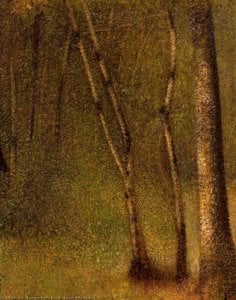
Georges Seuratin elämä
Ymmärtääkseen modernin maalaustaiteen kehityskulkua on katsottava Georges Seuratin lyhyttä mutta intensiivistä olemassaoloa. Ranskassa, Pariisissa 2. joulukuuta 1859 syntynyt taiteilija oli Ernestine Faivren ja Antoine Chrysostome Seuratin poika – miehen, joka oli siirtynyt oikeusviranomaisesta kiinteistöspekulantiksi Champagneen. Tämä tausta tarjosi vakauden, jota tarvittiin hänen nopealle ja kurinalaiselle nousulleen Pariisin taidemaailmassa. Hän ei ainoastaan maalannut; hän loi uudenlaisen tavan nähdä, joka haastoi edeltäjiensä spontaanit impulssit.
Hänen uransa oli pikavoitto, ei maraton. Hän kuoli Pariisissa 29. maaliskuuta 1891, vain 31-vuotiaana. Tämä ennenaikainen loppu jätti jälkeensä teoskokonaisuuden, joka tuntuu tiiviiltä ja harkitulta, vailla sitä levotonta ja hajanaista kehitystä, jota monilla hänen aikalaistensa tuotannoissa nähtiin. Jopa hänen viimeiset, keskeneräiset yrityksensä, kuten The Circus, paljastavat mielen, joka oli uppoutunut valon rakenteelliseen mekaniikkaan ja yhteiskunnalliseen järjestykseen. Hän korvasi ohimenevän välähdyksen laskelmoidulla, pysyvällä tarkkuudella.
Hänen lyhyen elämänsä vaikutus mitataan hänen teknisten innovaatioidensa valtavalla tiheydellä. Hän siirsi taiteen hetkellisen tunneilmavuuden ulottumattomiin ja vei sen kohti värien systemaattista, lähes matemaattista soveltamista. Hänen läsnäolonsa 1800-luvun historiassa määritellään edelleen tästä kieltäytymisestä luottaa pelkkään intuitioon. Hän etsi kankaalta logiikkaa, joka on edelleen nähtävissä jokaisessa pigmenttipisteessä, jonka hän jätti jälkeensä.
Varhaisluonnos, perhe ja koulutus
Georges Seuratin elämänpolku sai alkunsa Pariisissa, missä hänen perheensä muutti Boulevard de Magenta -kadulle pian hänen syntymänsä jälkeen. Hänen kasvatustaan muovasi vakaa ympäristö, jonka tarjosi hänen isänsä Antoine Chrysostome Seurat, entinen juridiikan virkamies, joka oli siirtynyt kiinteistöspekulaattoriksi. Tämä tausta avasi nuorelle taiteilijalle oven viralliseen koulutukseen, joka oli välttämätöntä 1800-luvun lopun vakiintuneiden normien haastamiseksi. Hän ei tukeutunut pelkkään intuitioon; hänen kehityksensä rakentui kurinalaisen ja systemaattisen harjoittelun perustalle.
Hänen muodollinen koulutuksensa alkoi École Municipale de Sculpture et Dessin -koulussa, jossa hän opiskeli kuvanveistäjä Justin Lequienin oppilaana. Tämä varhainen altistuminen kuvanveistolle vaikutti todennäköisesti hänen myöhempien sommitelmiensa rakenteelliseen, lähes friisimäiseen laatuun. Vuoteen 1878 mennessä hän oli noussut ranskalaisen taidekasvatuksen korkeimpiin piireihin opiskelijana arvostetussa École des Beaux-Arts -koulussa. Tuona aikana hän opiskeli Henri Lehmannin johdolla, mikä oli ajanjakso, joka antoi hänelle perinteiset tekniikat ja sommittelullisen kurinalaisuuden, jotka hän myöhemmin purki ja uudelleentulkitsi tieteellisen analyysin avulla.
Tekniikka ja tyyli
Georges Seurat korvasi edeltäjiensä spontaanin ja intuitiivisen siveltimenvedon valon laskelmoidulla ja systemaattisella lähestymistavalla. Hän kehitti pointillismia, menetelmää, jolle on ominaista puhtaan värin pienten ja erillisten pisteiden levittäminen kankaalle. Kyseessä ei ollut pelkkä koristeellinen valinta, vaan funktionaalinen ratkaisu. Hyödyntämällä divisjonismia hän erotti paikallisen värin yksittäisiksi pisteiksi, luottaen katsojan silmän kykyyn saavuttaa optinen sekoittuminen. Tämä prosessi, jota hän kutsui kromoluminarismiksi, kohteli väriä tieteenä pikemminkin kuin pelkkänä tunteena. Hän pyrki rekonstruoimaan näkemisen fysiikkaa pigmentin tarkan sijoittelun avulla.
Hänen tarkkuutensa ulottui myös esivaiheen työskentelyyn. Hän käytti usein conté-liidua karkeapintaisella paperilla hahmottaakseen sommitelmansa. Tämä kurinalainen menetelmä varmisti, että jokainen piste hänen suurikokoisissa lopputeoksissaan oli osa laajempaa, matemaattisesti orkestroitua rakennetta. Tuloksena syntyvät pinnat omaavat rytmisen ja värisevän laadun, joka kumpuaa yksittäisten väripisteiden ja verkkokalvolla muodostuvan yhtenäisen kuvan välisestä jännitteestä. Hänen työnsä on edelleen tutkimus siitä, kuinka tekninen ankaruus voi ohjata visuaalista havaitsemista.
Keskeiset teokset ja taiteellinen visio
Georges Seurat’s visio perustui valon tiukkaan, matemaattiseen lähestymistapaan. Hän hylkäsi edeltäjiensä spontaanin ja emotionaalisen siveltimenvedon suosien näkökentän systemaattista uudelleenrakentamista. Tämä menetelmä muutti kankaan pelkän havainnoinnin sijaan optisen laskennan näyttämöksi. Hänen työnsä pyrki vangitsemaan kohtauksen olennaisen, muuttumattoman rakenteen väriteorian tarkalla soveltamisella. Hän ei ainoastaan maalannut maisemaa; hän loi visuaalisen kokemuksen sen perusteella, kuinka ihmisen silmä prosessoi valoa ja pigmenttiä.
Hänen suuren mittakaavan kompositiot ilmentävät tätä omistautumista järjestykselle. A Sunday Afternoon on the Island of La Grande Jatte (1884–1886) hyödyntää monumentaalista mittakaavaa esittääkseen pariisilaisen vapaa-ajan kohtauksen tiheän pistemosaikin kautta. Tämä teos toimii neoimpressionismin manifestina, korvaten sulavan liikkeen pysyvällä, veistoksellisella tyyneydellä. Samoin Bathers at Asnières (1884) osoittaa hänen varhaisen kykynsä yhdistää klassiset, friisimäiset hahmotyypit Seine-joen moderniin, teolliseen todellisuuteen. Nämä maalaukset todistavat, että hänen kiinnostuksensa sijoittui tieteellisen tarkkuuden ja nykyelämän risteyskohtaan.
Jopa hänen viimeiset, keskeneräiset yrityksensä paljastavat kiinnostuksen liikkeen ja rakenteen väliseen jännitteeseen. The Circus (1890–91) hyödyntää neoimpressionistista tyyliä kuvatakseen julkisen spektaakkelin energiaa, mutta se pysyy silti ankkuroituna hänen ominaiselle muodon hallinnalleen. Teoksessa Young Woman Powdering Herself (1889–1890) hän sovelsi tekniikkaansa yksittäiseen aiheeseen, tutkien ihmisen turhamaisuuden keinotekoisuutta erittäin rakennetussa ympäristössä. Hänen tuotantonsa oli jatkuvaa pyrkimystä löytää valosta sellaista logiikkaa, jota impressionismin ohimenevä katse ei voinut tarjota.
Perintö ja vaikutus
Georges Seurat’n vaikutus modernin taiteen kulkuun on mitattavissa niissä radikaaleissa käänteissä, joita hänen menetelmänsä pakotti seuraaville taidesuuntauksille. Korvautuessaan edeltäjiensä intuitiivisen siveltimenvedon järjestelmällisellä ja tieteellisellä lähestymistavalla väriin ja valoon, hän laajensi rajoja sille, mitä maalaus voi saavuttaa. Tämä älyllinen kurinalaisuus siirsi taiteen pelkästä esittämisestä kohti havainnon rakenteellista analyysia. Hänen vaatimuksensa pigmentin optisesta sekoittumisesta muutti perustavanlaatuisesti mekanismia, jonka kautta katsoja vuorovaikuttaa kankaan kanssa.
Hänen teknisten innovaatioidensa aallot saavuttivat kauas neoimpressionistisen piirin ulkopuolelle. Fauvistit omaksuivat hänen korostuksensa rohkeasta, epäluonnollisesta värien käytöstä, kun taas kubistit ammensivat hänen kyvystään purkaa muodot geometrisiksi komponenteiksi. Jopa abstraktit ekspressionistit, jotka keskittyivät eleen raakaan energiaan, ovat velkaa sille tavalle, jolla hän vapautti värin perinteisen sekoittamisen rajoitteista. Hän todisti, että taide voi olla samanaikaisesti sekä tiukka älyllinen pyrkimys että menetelmä modernin elämän olemuksen vangitsemiseksi.


 Esikatselu
 Jaa teos
 Jaa
Jaa
 Tiedot
 Opas
Opas

 Lataa kuva
 Samanlaisia kohteita
 Röntgenkuvaus
 Diaesitys
 Kysymykset ja vastaukset
 Tilastot
 Lue lisää
 Vaihda tulosteeseen





































 Lasivaihtoehto on saatavilla vain alle 110 cm kokoisille teoksille