

Tällä sivulla esitettyä taideteosta suojaa tekijänoikeuslaki, mikä tarkoittaa, ettemme voi laillisesti luoda tai myydä täsmälleen samanlaista jäljennöstä. Tämä suoja toteutetaan kansainvälisten sopimusten, kuten esimerkiksi Berne-konventio ja kansallisilla laeilla, mukaan lukien niillä määritellyt Yhdysvaltain tekijänoikeuslaki – Luku 17. Kaikki oikeudet pidätetään. Luvaton kopiointi tai jäljittely on kielletty.
Tämä menetelmä noudattaa täysin tekijänoikeussäännöksiä, sillä se ei sisällä suojatun taideteoksen kopioimista tai jäljentämistä. Sen sijaan kyseessä on luova uudelleentulkinta – uusi maalaus, joka ammentaa vaikutteita alkuperäisestä, mutta ei ole sen identtinen kopio.
Museolaatuisia giclée- tai kankaitaulun tulosteita nopealla tuotannolla ja joustavilla viimeistelyvaihtoehdoilla. ( Tilaa käsinmaalattu jäljennös Siirry digitaaliseen kuvaan)





























Valitse valmiista mitoistamme sellaiset, jotka vastaavat teoksen alkuperäisiä mittasuhteita.

Voit syöttää omat mitat sopiaksesi tiettyyn kehykseen tai tilaan. Jos valittu koko ei vastaa alkuperäisen kuvan mittasuhteita, rajaamme teosta tai laajennamme kuvaa peilatulla tai yhtenäisellä reunalla. Digitaalinen mallikuva lähetetään hyväksyttäväksi ennen tuotannon aloittamista.
Huomaathan, että näytöllä näkyvä esikatselu ei vastaa lopullista rajausta tai laajennusta. Vain mallikuva näyttää lopullisen sommittelun tarkasti.
Vaikka räätälöityjä kokoja on saatavilla, suosittelemme valitsemaan mitat valmiista listasta alkuperäisten mittasuhteiden säilyttämiseksi.
Maailmanlaajuinen toimitus () 2 viikossa tavallisen 4–5 viikon sijaan. (13 lokakuu)
Radikaali
Replikaatin koko
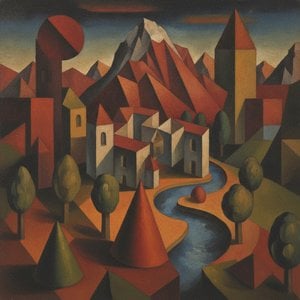
Teokselle "Radikaali" on olemassa Tilastot -sivu. Se esittää teoksen ja taiteilijan muiden teosten kuukausittaiset vierailumäärät maakohtaisesti ja kielittäin eriteltynä.
Teoksen "Radikaali" formaatti on Panoraama. Tämä on hyödyllinen tieto, kun suunnittelet jäljennöksen sijoituspaikkaa.
Teoksen Georges Braque:n "Radikaali" värit ovat Monokromaattinen voimakkuudeltaan.
Panoraama-muotoisena "Radikaali"-teoksen reproduktio sopii erinomaisesti Olohuone-tilaan.
Georges Braque:n "Radikaali" kuuluu Analytical Cubism-suuntaukseen ja sijoittuu tekijänsä Modernismi aikakaudelle.
Georges Braque:n "Radikaali" -teoksen röntgennäkymä löytyy teoksen X-säteily -sivulta: interaktiivinen tutkimusmatka kuvaan yhdenentoista optisen kerroksen läpi.
Teokselle "Radikaali" suositeltu tulostuskoko on Suuri. Muita kokoja on saatavilla samoissa mittasuhteissa.
Teoksen Georges Braque:n "Radikaali" väreissä on Vaimea kylläisyys. Kylläisyys kuvaa värien voimakkuutta tai himmeyttä.

Vuonna 1882 Ranskassa, Argenteuilissa syntynyt Georges Braque aloitti polun, joka kietoutui syvästi modernin taiteen muuttuvaan maisemaan. Hänen kasvatuksensa talonmaalareiden ja sisustajien perheessä antoi hänelle paitsi teknistä hallintaa materiaaleista, myös varhaisen arvostuksen muotoa ja rakennetta kohtaan. Vaikka hän aluksi seurasi isänsä ammattia, Braquen luontaiset taiteelliset taipumukset johtivat hänet pian Le Havren École des Beaux-Arts -kouluun suorittamaan muodollista koulutusta. Tämä merkitsi alkua matkalle, joka nostaisi hänet yhdeksi 20. vuosisadan vaikutusvaltaisimmista maalaajista. Tämä perusta – käytännön käsityötaidon ja akateemisen opiskelun liitto – osoittautui ratkaisevaksi, kun hän myöhemmin purki ja uudelleensynnytti perinteisiä taiteellisia konventioita.
Muuttaessaan Pariisiin vuonna 1902 Braque jatkoi opintojaan Académie Humbertissa uppoutuen kaupungin eloisaan taiteelliseen ilmapiiriin. Juuri täällä hän kohtasi taiteilijoita, kuten Marie Laurencin ja Francis Picabia, luoden yhteyksiä, jotka muovasivat hänen varhaista kehitystystään. Hänen ensimmäiset teoksensa heijastivat vallitsevia impressionismin ja postimpressionismin vaikutteita, mutta ratkaiseva kohtaaminen fauvismin rohkeiden värien ja ekspressiivisen vapauden kanssa vuonna 1905 sytytti uuden suunnan hänen taiteellisessa tutkimuksessaan.
Braquen fauvististen periaatteiden omaksuminen – jolle oli ominaista intensiivinen, epäluonnollinen väri ja emotionaalinen ilmaisu – näkyy elävästi teoksissa kuten The Patience. Tänä aikana hän työskenteli taiteilijoiden, kuten Henri Matissen ja André Derainin, rinnalla kokeillen värikkäitä paletteja ja pelkistettyjä muotoja. Braquen suhde fauvismiin ei kuitenkaan ollut pelkkää jäljittelyä; hän täytti sen ainutlaataksensa tunnistettavalla herkkyydellä, tyynnyttäen liikkeen hillitöntä riemua maltillisemmalla ja analyyttisemmalla lähestymistavalla.
Käännekohta koitti vuonna 1907, kun hän kohtasi Paul Cézannen retrospektiivisen näyttelyn. Cézannen painotus geometrisiin muotoihin ja useisiin perspektiiveihin vaikutti Braqueen syvästi, valmistellen näyttämöä hänen mullistavalle yhteistyölleen Pablo Picasson kanssa. Vuodesta 1908 alkaen nämä kaksi taiteellista jättiläistä aloittivat intensiivisen älyllisen vaihdon, joka synnytti kubismin – vallankumouksellisen liikkeen, joka särki perinteiset käsitykset esittämisestä.
Yhdessä Braque ja Picasso kehittivät analyyttisen kubismin, pilkkoen kohteet fragmentoituneiksi geometrisiksi muodoiksi ja esittäen useita näkökulmia samanaikaisesti. Teokset kuten Houses at L'Estaque osoittavat tämän varhaisen vaiheen, näyttäen radikaalin poikkeaman perinteisestä perspektiivistä ja keskittyen muotojen perusrakenteeseen. Heidän palettinsa muuttui tietoisesti hillityksi, painottaen muotoa värin sijaan, kun he pyrkien esittämään kohteen olemuksen kokonaisuutena pelkän ulkomuodon sijaan.
Braquen ja Picasson kumppanuus jatkoi taiteellisen ilmaisun rajojen rikkomista, mikä johti synteettisen kubismin kehittymiseen noin vuonna 1912. Tässä vaiheessa esiteltiin kollaasi – todellisen maailman materiaalien, kuten sanomalehtien palasten, tapettien ja kankaiden tuominen maalauksiin. Tämä innovaatio haastoi perinteisen hierarkian maalaustaiteen ja kuvanveiston välillä, hämärtäen rajoja taiteen ja elämän välillä.
Braquen uranuurtava *papier collé* (liimattu paperi) -tekniikan käyttö merkitsi merkittävää käännekohtaa hänen taiteellisessa evoluutiossaan. Integroimalla arkipäiväisten esineiden fragmentteja kompositiolleen, hän rikkoi perinteisen maalauksen illusiivista tilaa ja toi mukanaan uudenlaista materiaalisuutta ja tekstuuria. Tämä tekniikka ei ainoastaan laajentanut taiteen muodollisia mahdollisuuksia, vaan heijasti myös kasvavaa kiinnostusta esittämisen ja todellisuuden väliseen suhteeseen.
Ensimsimen maailmansodan syttyminen vuonna 1914 keskeytti tämän intensiivisen yhteistyön, kun Braque kutsuttiin sotapalvelukseen. Hänen sota-aikaiset kokemuksensa vaikuttivat syvästi hänen taiteelliseen visioonsa, johtaen hänet tutkimaan henkilökohtaisempia ja lyyrisempiä teemoja sodan jälkeisessä työssään.
Sodan jälkeen Braquen tyyli kehittyi kubismin tiukkojen rajojen ulkopuolelle, yhdistäen klassisen komposition elementtejä ja uudistunutta kiinnostusta asetelmakuvaukseen. Säilyttäen geometriset vaikutteet, jotka olivat määrittäneet hänen varhaista työtään, hän kehitti vivahteikkaamman ja pohdiskelevamman lähestymistavan maalaamiseen. Hänen myöhemmät maisemansa ja sisätilansa tunnetaan seesteisestä tunnelmastaan ja hienovaraisesta väriharmoniastaan.
Koko uransa ajan Braque pysyi omistautuneena muodon, tilan ja esittämisen perusperiaatteiden tutkimiselle. Hän jatkoi kokeiluja eri materiaaleilla ja tekniikoilla työntäen taiteellisen ilmaisun rajoja kuolemaansa saakka vuonna 1963. Hänen vaikutuksensa myöhempiin taiteilolaskupolviin on mittaamaton; hän muovasi modernin taiteen kulkua ja inspiroi lukemattomia maalaajia, kuvanveistäjiä ja kollaasitaiteilijoita.
Georges Braquen perintö ulottuu pidemmälle kuin hänen yksittäiset teoksensa; hän muutti perustavanlaatuisesti ymmärrystämme siitä, miten havaitsemme ja esitämme ympäröivää maailmaa. Hänen yhteistyöhenkisyytensä Picasson kanssa, yhdistettynä omaan ainutlaatuiseen taiteelliseen visioonsa, vakiinnutti hänen paikkansa modernin taiteen todellisena pioneerina – mestarina, joka uskalsi haastaa konventiot ja määritellä maalauksen mahdollisuudet uudelleen.

1882 - 1963 , Ranska
Explore the profound evolution of Cubist landscapes. Discover how masters like Braque and Picasso redefined perspective through geometric mastery, transforming nature into an intellectual mosaic of form and light for the discerning modern art collector.

Discover the profound allure of oil on canvas. Explore the mastery of impasto textures, the science of pigment longevity, and expert guides to selecting museum-quality reproductions that elevate your collection with timeless elegance and tactile depth.

Discover the profound legacy of Georges Braque. Our expert guide explores the evolution of Cubism, from Analytic deconstruction to Synthetic innovation, offering deep insights for discerning art collectors and connoisseurs of modern masterpieces.

Elevate your collection with the tactile elegance of hand-painted oil masterpieces. From bespoke reproductions to custom portraits from photography, discover museum-quality artistry crafted by academy-trained experts for discerning collectors and designers worldwide.

Discover the enduring allure of oil on canvas. Explore how master techniques like impasto and glazing create the depth, texture, and emotional resonance found in the world's greatest masterpieces. An essential guide for fine art enthusiasts and discerning collectors.

 Katso seinällä
 Lähetä
 Jaa
Jaa
 Tarkemmat tiedot
 Opas
Opas

 Lataa kuva
 Samanlaisia kohteita
 Röntgenkuvaus
 Diaesitys
 Tilastot
 Lue lisää









 Lasivaihtoehto on saatavilla vain alle 110 cm kokoisille teoksille


