


x

 Akryyli kankaalleSeinätaideCubist abstraction
 1937Modernismi
 129.0 x 160.0 cm
Käsinmaalattu öljyväri kankaalle haluamassasi koossa ja kehyksissä, taiteilijoidemme valmistamana tilauksesta.





























Valitse valmiista mitoistamme sellaiset, jotka vastaavat teoksen alkuperäisiä mittasuhteita.

Voit syöttää omat mitat sopimaan tiettyyn kehykseen tai tilaan. Jos valitsemasi koko ei vastaa alkuperäisen kuvan mittasuhteita, rajaamme taideteoksen tai jatkamme maalausta käsin maalatuilla elementeillä. Digitaalinen esikatselu lähetetään hyväksyttäväksi ennen tuotannon aloittamista.
Huomioithan, että näytöllä oleva esikatselu ei vastaa todellista rajausta tai jatkamista. Vain digitaalinen mallikuva näyttää lopullisen sommittelun tarkasti.
Vaikka mittatilaustyöt ovat mahdollisia, suosittelemme valitsemaan mitan ennalta määritetystä listasta alkuperäisten mittasuhteiden säilyttämiseksi.
Maailmanlaajuinen toimitus () 3–4 viikossa tavallisen 5 viikon sijaan. (2 heinäkuu). Laadusta ei tingitä.


Duetto
Replikaatin koko
Georges Braque's "The Duet," painted in 1937, is more than just a depiction of two figures playing the piano; it’s a carefully constructed tableau brimming with quiet contemplation and subtle emotional resonance. The painting captures a fleeting moment of connection within a deliberately restrained domestic setting – a space that speaks volumes about the artist's evolving artistic philosophy and his fascination with exploring perception and form. The muted palette, dominated by ochres, yellows, and browns, immediately establishes a sense of warmth and intimacy, contrasting subtly with the geometric fragmentation characteristic of Braque’s Cubist style.
Born in Argenteuil in 1882, Braque's artistic journey was profoundly shaped by his early exposure to the practical world through his father’s profession as a house painter and decorator. This grounding in material and structure would later become integral to his revolutionary approach to painting. “The Duet” exemplifies this shift away from traditional representation. The piano, the chairs, even the figures themselves are not rendered with photographic accuracy but rather broken down into their constituent geometric shapes – planes and angles – and reassembled before the viewer’s eye. This fragmentation isn't merely a stylistic choice; it reflects Braque’s belief that reality is inherently multi-faceted and can be perceived through multiple viewpoints simultaneously. The umbrella, a seemingly simple object, further contributes to this fractured perspective, its form echoing the angularity of the piano keys.
Beyond the purely formal concerns of Cubism, “The Duet” is rich in symbolic potential. The act of playing music together suggests a shared experience, a connection forged through artistic expression. The figures are positioned close to the piano, almost merging with its form, indicating a deep engagement with the creative process itself. Braque’s use of color – particularly the warm yellows – evokes feelings of comfort, nostalgia, and perhaps even melancholy. The muted tones also create an atmosphere of quiet intimacy, suggesting a private moment shielded from the outside world. The umbrella, often associated with protection and shelter, could symbolize the emotional security found within this shared artistic endeavor.
Braque’s technique in “The Duet” is characterized by a meticulous layering of paint – a hallmark of his approach. He employed a method known as *collage*, incorporating elements like newspaper fragments and fabric into the canvas, creating a textured surface that adds depth and complexity to the image. This tactile quality invites closer examination, encouraging the viewer to trace the individual brushstrokes and appreciate the artist’s deliberate manipulation of paint. The slightly rough texture contrasts with the smooth, fragmented forms, further emphasizing the painting's dual nature – both representational and abstract. Notice how he builds up the piano’s form through subtle shifts in tone and color, creating a sense of solidity despite its fractured appearance.
“The Duet” offers a poignant glimpse into Braque's artistic development during a pivotal period. Painted in 1937, just before World War II, it reflects a sense of introspection and quiet contemplation – qualities that would become increasingly important to his work in the years to come. This painting is not simply a portrait; it’s an exploration of human connection, perception, and the transformative power of art. WahooArt's meticulously crafted reproductions allow you to experience this remarkable piece firsthand, bringing Braque’s vision to life with exceptional detail and authenticity. Owning a reproduction offers a beautiful addition to any collection or a thoughtful element for interior design, capturing the essence of this iconic work.


1882 - 1963 , Ranska
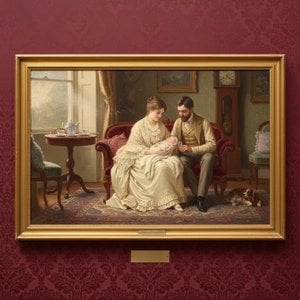
Explore the evocative Victorian paintings of George Goodwin Kilburne. Discover his detailed scenes of domestic life, masterful use of light, and lasting impact on British genre painting. Learn more at WahooArt.
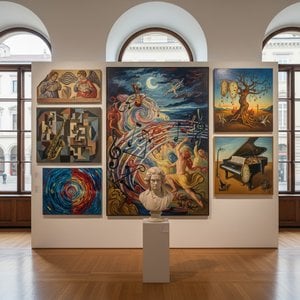
Explore the fascinating history of music's visual representation in art! From ancient symbolism to modern abstraction, discover how artists have captured sound and emotion on canvas. Expert insights & stunning examples.

Explore the fascinating history of art collectors in Western painting, from Renaissance patrons to modern museum founders. Discover how portraits revealed status, shaped artistic movements & built lasting legacies. Expert insights at WahooArt.
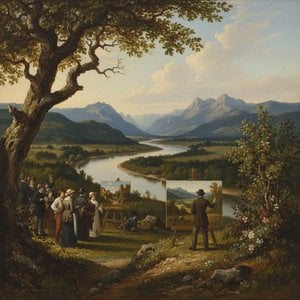
Explore the captivating genre scenes of Thomas George Webster, a Victorian painter bridging British traditions with American themes. Discover his style, influences & legacy in 19th-century art history.
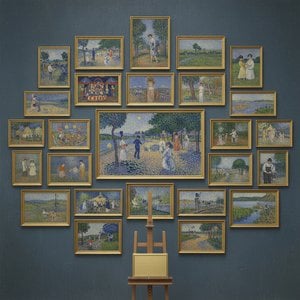
Tutustu Georges Seuratin 25 mestariteokseen! Uppoudu pointillismia, valomaalausta ja väriteoriaa hyödyntävään taidemaailmaan. Löydä A Sunday on La Grande Jatte ja muut ikonit WahooArt.comista – korkealaatuiset taidekopiot kotiisi.


Pysy ajan tasalla uusimmista taideuutisista, eksklusiivisista tarjouksista ja sisustusideoista.
Kerro meille projektistasi, niin taideasiantuntijamme tarjoavat sinulle kolme henkilökohtaista taidesuositusta.
Anna meidän kuratoida 3 vaihtoehtoa juuri sinulle – Ilmaiseksi!

 Tilaa painos
 Jaa
Jaa Jaa
Jaa
 Details

 Lataa
Lataa
 Samanlaisia
 X-Ray
X-Ray Diaesitys
 Näytä lisää







 Lasivaihtoehto on saatavilla vain alle 110 cm kokoisina teoksina


