


Museolaatuisia giclée- tai kankaitaulun tulosteita nopealla tuotannolla ja joustavilla viimeistelyvaihtoehdoilla. ( Osta käsintehty maalaus Osta kuva)





























Valitse valmiista mitoistamme sellaiset, jotka vastaavat teoksen alkuperäisiä mittasuhteita.

Voit syöttää omat mitat sopiaksesi tiettyyn kehykseen tai tilaan. Jos valittu koko ei vastaa alkuperäisen kuvan mittasuhteita, rajaamme teosta tai laajennamme kuvaa peilatulla tai yhtenäisellä reunalla. Digitaalinen mallikuva lähetetään hyväksyttäväksi ennen tuotannon aloittamista.
Huomaathan, että näytöllä näkyvä esikatselu ei vastaa lopullista rajausta tai laajennusta. Vain mallikuva näyttää lopullisen sommittelun tarkasti.
Vaikka räätälöityjä kokoja on saatavilla, suosittelemme valitsemaan mitat valmiista listasta alkuperäisten mittasuhteiden säilyttämiseksi.
Toimitus maailmanlaajuisesti () kahdessa viikossa tavallisen 4–5 viikon sijaan. (6 syyskuu)


Three Figures in a Room, left
Replikaatin koko
Francis Bacon's "Three Figures," completed in 1964, stands as one of the most unsettling and iconic paintings of the mid-century period. More than just a depiction of three individuals inhabiting a room—though that alone is fraught with tension—it’s an exploration of profound psychological distress, rendered with a masterful blend of technique and symbolism that continues to resonate with audiences today.
The painting's style aligns squarely within Bacon’s signature Expressionist aesthetic. Rejecting representational accuracy in favor of conveying emotion directly onto the canvas, he employed a method known as “squeeze”—a process where paint is forced out of tubes under pressure, creating distorted and fragmented forms. This technique isn’t merely stylistic; it's fundamentally linked to Bacon’s belief that painting should capture the visceral experience of consciousness itself – the feeling of being overwhelmed by internal turmoil.
“Three Figures” transcends mere visual depiction; it’s an invitation to confront uncomfortable truths about human existence. Bacon deliberately eschewed comforting illusions, presenting instead a brutally honest portrayal of psychological suffering. The painting's enduring power lies in its ability to evoke empathy and provoke contemplation—a testament to Bacon’s genius as both artist and philosopher.
Its influence extends far beyond the art world, informing discussions about trauma, identity, and the complexities of human emotion. Collectors appreciate “Three Figures” not only for its aesthetic qualities but also for its profound intellectual depth – a reminder that art can serve as a conduit for confronting our deepest fears and vulnerabilities.
Bacon's distinctive approach to painting—the “squeeze” technique—was born out of necessity and driven by an unwavering commitment to capturing the essence of psychological experience. Rather than meticulously blending colors on a palette, he applied paint directly from tubes under considerable pressure.
This technique wasn't simply about achieving visual effect; it was fundamentally rooted in Bacon’s conceptual framework—his conviction that painting should strive to represent the feeling of being overwhelmed by internal turmoil. By rejecting conventional methods, Bacon prioritized conveying emotion above all else.
Bacon's masterful use of color contributes significantly to the painting’s unsettling atmosphere. He predominantly employed muted browns and ochres—a palette deliberately chosen to evoke feelings of darkness, decay, and repression.
The subdued hues serve as a visual embodiment of Bacon’s preoccupation with existential angst—a refusal to offer solace or reassurance. Instead, he presented viewers with an unflinching depiction of inner darkness – a courageous stance that solidified Bacon's reputation as one of the most uncompromising artists of his time.


1909 - 1992 , Irlanti

Tutustu Francis Baconin 25 mestariteokseen – synkkää tunnetta, modernia taidetta ja ihmiskuvauksen syvyyttä. Löydä tarinat maalauksien takaa ja inspiroi sisustusta WahooArt.comissa! Tutki koko kokoelma verkossa.
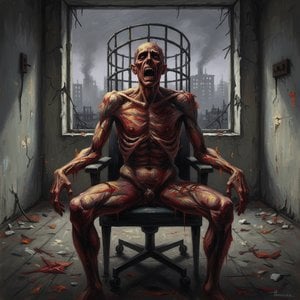
Explore the profound existential anguish of Francis Bacon's art. Discover how trauma shaped his iconic paintings & lasting influence on modern expressionism. A guide for discerning collectors.

Explore the captivating world of Francis Sartorius II (1734-1804), a leading British painter renowned for his exquisite equestrian portraits and hunting scenes. Discover his life, techniques & enduring legacy.
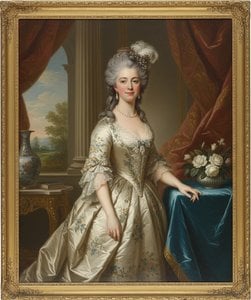
Explore the elegant world of Francis Cotes, pioneer of English pastel painting & celebrated Georgian portraitist. Discover his captivating portraits, artistic techniques, and lasting influence on 18th-century art.

Explore the rich history of formal portraiture & its enduring power to capture identity and shape perception. Discover investment-worthy artworks, expert appraisals, and custom reproduction services at WahooArt.

 Esikatselu
 Jaa
Jaa Jaa
Jaa
 Tarkemmat tiedot

 Lataa
Lataa
 Samanlaisia
 Röntgenkuva
 Diaesitys

 Näytä lisää







 Lasivaihtoehto on saatavilla vain alle 110 cm kokoisina teoksina


