Esikatselu Esikatsele AR-tilassa Osta käsinmaalattu taideteos Siirry digitaaliseen kuvaan Jaa teos
Tiedot Opas Lisää suosikkeihin Lataa kuva Samanlaisia kohteita Röntgenkuvaus Diaesitys Q&A Tilastot

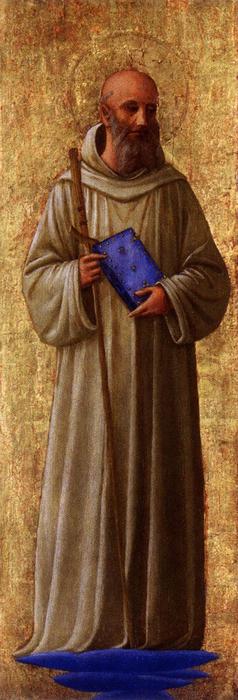
St Romuald

Experience Fra Angelico's serene 'St. Romuald' (1440). A captivating portrait of the Camaldolese founder, rendered in tempera on panel, embodying devotion and spiritual depth.

Uppoudu Fra Angelicon (n. 1395–1455) lumoavaan renessanssitaiteeseen: uskonnollisiin freskoihin, eloisiin väreihin & hengelliseen syvyyteen! Tutustu 'Enkelimaalariin' ja hänen perintöönsä!

Giclée- ja taideprintit

Museolaatuisia giclée- tai kankaitaulun tulosteita nopealla tuotannolla ja joustavilla viimeistelyvaihtoehdoilla. ( Osta käsinmaalattu taideteos Siirry digitaaliseen kuvaan)

Corner sample of the P118B picture frame: valettu polystyreeni, 5 cm wide and 3 cm thick
P118B €10
Corner sample of the P118H picture frame: valettu polystyreeni, 5 cm wide and 3 cm thick
P118H €10
Corner sample of the P118W picture frame: valettu polystyreeni, 5 cm wide and 3 cm thick
P118W €10
Corner sample of the P438Z picture frame: valettu polystyreeni, 5.5 cm wide and 3.5 cm thick
P438Z €10
Corner sample of the P508JH picture frame: valettu polystyreeni, 7 cm wide and 3.5 cm thick
P508JH €12
Corner sample of the P508YH picture frame: valettu polystyreeni, 7 cm wide and 3.5 cm thick
P508YH €12
Corner sample of the P805H picture frame: valettu polystyreeni, 5 cm wide and 3.5 cm thick
P805H €10
Corner sample of the P805Z picture frame: valettu polystyreeni, 5 cm wide and 3.5 cm thick
P805Z €10
Corner sample of the P919BZ picture frame: valettu polystyreeni, 7 cm wide and 3.5 cm thick
P919BZ €10
Corner sample of the P919G picture frame: valettu polystyreeni, 7 cm wide and 3.5 cm thick
P919G €10
Corner sample of the P919XJ picture frame: valettu polystyreeni, 7 cm wide and 3.5 cm thick
P919XJ €10
Corner sample of the P959ZH picture frame: valettu polystyreeni, 5 cm wide and 3 cm thick
P959ZH €10
Corner sample of the P968JZ picture frame: valettu polystyreeni, 6 cm wide and 4 cm thick
P968JZ €12
Corner sample of the W106C picture frame: massiivipuu, 5 cm wide and 3 cm thick
W106C €8
Corner sample of the W218G picture frame: massiivipuu, 5 cm wide and 3 cm thick
W218G €10
Corner sample of the W218JH picture frame: massiivipuu, 5 cm wide and 3 cm thick
W218JH €8
Corner sample of the W218Y picture frame: massiivipuu, 5 cm wide and 3 cm thick
W218Y €10
Corner sample of the W307PJ picture frame: massiivipuu, 6 cm wide and 3 cm thick
W307PJ €10
Corner sample of the W316G picture frame: massiivipuu, 6 cm wide and 3 cm thick
W316G €10
Corner sample of the W316PJ picture frame: massiivipuu, 6 cm wide and 3 cm thick
W316PJ €8
Corner sample of the W316Y picture frame: massiivipuu, 6 cm wide and 3 cm thick
W316Y €10
Corner sample of the W398PJ picture frame: massiivipuu, 5 cm wide and 3 cm thick
W398PJ €8
Corner sample of the W4111J picture frame: massiivipuu, 6.5 cm wide and 3.5 cm thick
W4111J €10
Corner sample of the W500HY picture frame: massiivipuu, 7 cm wide and 5 cm thick
W500HY €15
Corner sample of the W500JH picture frame: massiivipuu, 7 cm wide and 5 cm thick
W500JH €15
Corner sample of the W692G picture frame: massiivipuu, 8 cm wide and 4 cm thick
W692G €12
Corner sample of the W849H picture frame: massiivipuu, 5 cm wide and 3 cm thick
W849H €8
Corner sample of the W940BG picture frame: massiivipuu, 7.5 cm wide and 4.5 cm thick
W940BG €15
Corner sample of the W953PJ picture frame: massiivipuu, 6 cm wide and 3.5 cm thick
W953PJ €8

Vakiokoko
räätälöity
CM
INCH

Valitse valmiista mitoistamme sellaiset, jotka vastaavat teoksen alkuperäisiä mittasuhteita.

leveys
korkeus

Syötä tarvitsemasi leveys ja korkeus, jotta tuloste sopii kehyksiisi tai seinällesi. Tulostetta voidaan vain leikata, sitä ei voida koskaan suurentaa alkuperäistä kuvaa suuremmaksi, joten eri muotoinen koko aiheuttaa osan kuvasta katoamisen. Lähetämme sinulle digitaalisen mallikuvan hyväksyttäväksi ennen kuin aloitamme tulostuksen. Tällä sivulla näkyvä kuva ei näytä lopullista rajausta — vain mallikuva näyttää sen.

Maailmanlaajuinen toimitus () 2 viikossa tavallisen 4–5 viikon sijaan. (28 lokakuu)

Ilmainen pikatoimitus ympäri maailman
Korkealaatuinen pellavakangas
Kattava kuljetusvakuutus
Tulliveron palautustakuu
Takuu täydellisestä värien vastaavuudesta
100 päivän palautusoikeus (vain valmistusvirheet)
100% rahat takaisin -takuu
Määräalennus tarjolla

Kokonaishinta

€ 60

St Romuald

Giclée- ja taideprintit

Replikaatin koko

-

Kokonaishinta

€ 60

Pikaista tietoa

  • Influences: Cluniac Reforms
  • Artistic style: Religious painting
  • Subject or theme: St. Romuald's devotion
  • Artist: Fra Angelico
  • Movement: Early Renaissance

Taidevisat

Jokaisessa kysymyksessä on vain yksi oikea vastaus.

Kysymys 1:
What is the primary subject of Fra Angelico’s painting, ‘St. Romuald’?
Kysymys 2:
The gold-colored wall in the background of ‘St. Romuald’ primarily serves to:
Kysymys 3:
Based on the provided information, in what year was ‘St. Romuald’ painted?
Kysymys 4:
Fra Angelico's work, including ‘St. Romuald’, is primarily associated with which artistic movement?
Kysymys 5:
The composition of ‘St. Romuald’ suggests a focus on:

The Serene Figure of St. Romuald by Fra Angelico

Fra Angelico’s “St. Romuald,” painted in 1438-1440, is more than just a portrait; it's an intimate glimpse into the soul of a man dedicated to spiritual contemplation and monastic life. This panel painting, executed in tempera on wood, embodies the hallmarks of the Early Renaissance while simultaneously radiating a profound sense of peace and devotion. The work resides within the broader context of Fra Angelico’s prolific output at San Marco Monastery in Florence, serving as part of the larger “San Marco Altarpiece” – a series that profoundly shaped the artistic landscape of the period.

The subject himself, St. Romuald, is depicted with remarkable dignity and quiet strength. He stands before a simple wall, his posture suggesting both contemplation and readiness. In his left hand, he holds an open book—a potent symbol of knowledge, scripture, and the monastic pursuit of wisdom. A staff, crafted from reeds, rests in his right hand, representing guidance, protection, and connection to the natural world – reflecting Romuald’s commitment to a life lived close to God and nature. The subtle golden halo above his head isn't merely decorative; it signifies his sanctity and elevation within the Christian faith.

A Masterclass in Early Renaissance Technique

Fra Angelico’s genius lies not only in his subject matter but also in his masterful technique. He employs a delicate layering of tempera paint, building up translucent glazes to achieve an astonishing luminosity and depth. Notice how the light seems to emanate from within the figure, illuminating his face and highlighting the folds of his robe. The use of *sfumato*, a subtle blurring of lines and edges, creates a sense of atmospheric perspective, drawing the viewer’s eye into the scene and lending it an ethereal quality. The background wall, rendered in muted gold tones, provides a luxurious yet understated backdrop, emphasizing the saint's solemnity without overwhelming the figure.

The painting’s composition is remarkably balanced and harmonious. The placement of St. Romuald within the frame, coupled with the simplicity of the setting, creates a sense of stability and serenity. There’s an intentional restraint in the details – no extraneous elements distract from the central figure. This focus on essential forms and spiritual content is characteristic of Fra Angelico's approach, reflecting his deep-seated belief that art should serve as a conduit for divine inspiration.

Symbolism and Spiritual Resonance

Beyond its aesthetic beauty, “St. Romuald” is rich in symbolic meaning. The book represents the monastic commitment to learning and prayer, while the staff symbolizes the saint’s role as a protector and guide. The choice of reeds for the staff speaks to Romuald's connection with nature and his humble lifestyle. The golden halo, a recurring motif in Fra Angelico’s work, signifies divine grace and spiritual enlightenment.

St. Romuald himself was a pivotal figure in the development of the Camaldolese order, known for its austere practices and dedication to contemplation. His life exemplified a return to the simplicity and spirituality of early monasticism, offering a powerful counterpoint to the increasingly opulent and worldly trends of the Renaissance. The painting serves as a poignant reminder of this enduring legacy – a testament to the transformative power of faith and devotion.

A Timeless Piece for Reflection and Decoration

Reproductions of “St. Romuald” by WahooArt.com offer an exceptional opportunity to bring this exquisite artwork into your home or office. The meticulous detail and vibrant colors of our hand-painted reproductions faithfully capture the essence of Fra Angelico’s original masterpiece, allowing you to experience its profound beauty and spiritual resonance firsthand. Whether adorning a study, meditation room, or simply adding a touch of serenity to your surroundings, this timeless image will undoubtedly inspire contemplation and uplift the spirit.

Consider how St. Romuald's quiet strength and devotion might complement your personal style and create a space that fosters peace and reflection. Explore our range of sizes and framing options to find the perfect reproduction for your needs – each one crafted with the same care and attention to detail as the original.

Kysymykset ja vastaukset

Mikä on suositeltu tulostuskoko ja -suunta teokselle "St Romuald"?

Teokselle "St Romuald" suositeltu tulostusasetus on koko Large ja Tall-suuntainen asettelu.

Mistä "St Romuald" on tehty ja millä tyylillä?

Teoksessa "St Romuald" Acrylic On Canvas-tekniikka kohtaa Early Renaissance-suuntauksen.

Onko Fra Angelico:n "St Romuald" vaalea vai tumma teos?

Teoksen Fra Angelico:n "St Romuald" kirkkaus on balanced ja luminanssi Soft Shadow.


Taiteilijan elämäkerta

Varhaiset Vuodet ja Hengellinen Muodostuminen

Giovanni da Fiesole, joka myöhemmin tuli tunnetuksi veljensä Angelicona, syntyi noin vuonna 1395 Toscanan kukkulilla lähellä Firenzetä. Hänen varhaisvuosiensa hämäräisyys tuntuu sopivan taiteilijalle, jonka teokset tulisivat myöhemmin olemaan synonyymejä eteeriselle kauneudelle ja syvälle uskonnollisuudelle. Vaikka hänen perheestään tai lapsuudestaan tiedetään vähän, uskotaan hänen saaneen hyvän koulutuksen, joka valmisti häntä elämään vaatimattomampaa alkuperäänsä Rupesanaa pidemmälle. Ratkaiseva hetki koitti, kun nuori Giovanni liittyi dominikaanilaisveljeskuntaan Fiesolessa omaksuen elämän uskonnollisen kontemplaation ja palvelun merkeissä. Juuri luostarin muurien sisällä hän sai nimen Fra (Velje) Angelico, lempinimi joka kuvasti pian paitsi hänen munkkilupauksiaan myös taiteessaan olevaa enkelimaista laatua. Aluksi hänet uskottiin valaisemaan käsikirjoituksia – huolellinen taito, joka vaati tarkkuutta ja eläviä värejä – hän hiersi taitoja, jotka myöhemmin puhkesivat henkeäsalpaaviksi freskoiksi ja paneelimaalauksiksi. Tämä varhainen koulutus antoi hänelle syvän kunnioituksen yksityiskohtia kohtaan, pigmenttien hallinnan ja ymmärryksen siitä, kuinka kertoa tarinoita visuaalisesti. Dominikaanilaisveljeskunnan teologian opiskelun painotus muovasi epäilemättä hänen taiteellista näkemystään, täyttäen työnsä syvällä uskolla ja tarkoituksella.

Taiteellisen Tyylin Synty

Fra Angelicon taiteellinen kehitys ei syntynyt eristyksissä; hän omaksui ajan vallitsevat firenzeläiset maalauksen virtaukset. Lorenzo Monacon, aikakauden johtavan maalarin, tyylikäs lineaarisuus ja koristeelliset kuviot ovat nähtävissä hänen varhaisteoksissaan. Fra Angelico ei kuitenkaan pelkästään jäljittänyt edeltäjäänsä. Hän alkoi syntetisoida näitä vaikutteita nousevan naturalistisuuden kanssa, mikä sai todennäköisesti vauhtia altistumisesta Masaccion uraa uurtaville freskoille. Vaikka Masaccio mullisti maalaustaidan dramaattisella perspektiivin käytöllä ja ihmisen muodon realistisella kuvauksella, Fra Angelico valitsi erilaisen tien. Hän omaksui perspektiiviä ei itsessään, vaan keinona luoda mukaansatempaavampi hengellinen kokemus. Hänen hahmonsa, vaikka suloisia ja usein ihanneloituja, omaavat hiljaisen arvokkuuden ja emotionaalisen resonanssin, joka ylittää pelkän esityksen. Ratkaisevasti hänen taiteensa oli erottamaton osa hänen uskoaan; hän näki maalaamisen ei ammattina, vaan rukouksen teona – keinona kontemploida jumaluutta ja tehdä se muille näkyväksi. Tämä syvästi pidetty uskomus täytti jokaisen siveltimenveton kunnioituksella ja vilpittömyydellä.

Uskon ja Värien Mestarengintä

Fra Angelicon taiteellinen perintö on ankkuroitu useisiin monumentaalisiin teoksiin, jotka jatkavat ihmisten ihailua vuosisatojen ajan. San Marco -luostarin freskot Firenzessä pidetään laajalti hänen mestariteoksenaan. Dominikaanilaisveljeskunnan tilaamissa kohtauksissa Kristuksen elämästä huokuu rauhallinen yksinkertaisuus ja emotionaalinen syvyys, jota ei harvoin löydy renessanssitaiteesta. Jokainen kuva – ilmottamuksesta ristiinnaulitsemiseen – on täynnä hiljaista kontemplaatiota, kutsuen katsojat henkilökohtaiseen kohtaamiseen pyhän kertomuksen kanssa. San Marcoa laajemmassa mittakaavassa *Perugian alttaritaulu* osoittaa hänen tyylinsä kehitystä, erityisesti Neitsyt Marian ilmottamuksen herkkää kuvausta. Toistuva Ilmottamisen teema esiintyy lukuisissa versioissa hänen tuotannossaan, joista jokainen on kuvattu eteerisellä kauneudella ja symbolisella rikkaudella. Teokset kuten *Pyhä Lauri antaa almuja* osoittavat hänen taitonsa narratiivisen sommittelun ja kyvyn kuvata ihmisten tunteita herkällä tavalla ja armolla. Hänen palettinsa on luonteeltaan kirkas, selkeä värit – siniset, kullat ja punaiset – jotka tuntuvat säteilevän sisältäpäin, luoden ylimaallisen loiston ilmapiirin.

Perintö ja Kestävä Vaikutus

Fra Angelico seisoo keskeisenä hahmona varhaisessa renessanssissa, kuvastaen aikakauden uskonnollisen omistautumisen ja taiteellisen innovaation fuusiota. Hän ei ollut pelkästään maalari; hän oli hengellinen visionääri, joka käänsi uskonsa visuaaliseen muotoon. Hänen työnsä heijastaa ajan humanistisia ihanteita, jotka korostavat ihmisarvoa ja mahdollisuutta henkiseen kontemplaatioon. Tunnettu taiteen- ja historioitsija Giorgio Vasari ylisti Fra Angelicoa *Taiteilijaelämäkertomuksissaan*, julistaen, ettei mikään kehu voisi riittävästi vangita hänen luomustensa kauneutta. Tämä tunnustus vakiinnutti paikkansa länsitaiteen kaanonissa. Hänen vaikutuksensa ulottui kauas omaan aikaansa, inspiroiden sukupolvia taiteilijoita omistautuneella tyylillään ja värien mestarillisella käytöllä. Vuonna 1982 paavi Johannes Paavali II tunnusti virallisesti Fra Angelicon pyhyyden siunaamalla hänet – todiste hänen elämänsä ja työnsä syvällisestä hengellisestä vaikutuksesta. Tänäkin päivänä hänen taiteensa jatkaa katsojien resonoimista ympäri maailmaa, tarjoaa ajattoman viestin uskosta, toivosta ja kauneudesta.

Missä Kokea Hänen Taidettaan

  • Museo di San Marco, Firenze: Tämä museo sisältää suurimman ja merkittävimmän kokoelman Fra Angelicon teoksia, mukaan lukien henkeäsalpaavat freskot luostarista.
  • Louvre-museo (Pariisi): Useita tärkeitä maalauksia Fra Angelicolta löytyy Louvren laajasta kokoelmasta.
  • National Gallery (Lontoo): National Gallery ylpeilee valikoimalla hänen teoksiaan, tarjoten vierailijoille vilauksen hänen taiteelliseen nerouteensa.
  • Santa Maria sopra Minerva, Rooma: Tämä kirkko sisältää Fra Angelicon freskoja ja on paikka, jossa hänet virallisesti siunattiin.
  • Lukuisat muut museot ympäri maailmaa esittelevät myös hänen taiteensa esimerkkejä, mikä mahdollistaa laajemman arvostuksen hänen kestävälle perintölleen.
Fra Angelico

Fra Angelico

1395 - 1455 , Italia

Pähkinänkuoressa

  • Artistic Movement Or Style: Varhainen renessanssi
  • Artists Or Movements Influenced By This Artist: ['Varhaisen renessanssin taiteilijat']
  • Artists Who Influenced This Artist:
    • Lorenzo Monaco
    • Masaccio
  • Date Of Birth: n. 1395
  • Date Of Death: 1455
  • Full Name: Fra Angelico
  • Nationality: Italialainen
  • Notable Artworks:
    • San Marco freskot
    • Perugian alttaritaulu
    • Ilmoitus
    • Pyhä Lauri antamassa almuja
  • Place Of Birth: Rupesana, Italia
Tutustu teoksiin, jotka on järjestetty aiheiden, tyylien ja ominaisuuksien mukaan.