Fernand Légerin elämä
Fernand Légerin tarina saa alkunsa Argentanin kylästä, joka sijaitsee Lower Normandian Ornen alueella. Hän saapui tähän maailmaan 4. helmikuuta 1881 ainoana poikana. Hänen varhaislapsuutensa muovautui Ranskan maaseudun hiljaisuudessa ja äitinsä, Marie-Adèle Daunoun, läsnäolossa. Hänen isänsä, karakauppiaana elänyt mies, kuoli, kun Fernand oli vielä nuori poika, jättäen lapsen äitinsä kasvatettavaksi kotiin, jota leimasi äidin hartaus ja tietty nöyryys.
Tämä kasvu Normandian maaseudun maisemissa tarjosi maadoittavan vastakohdan elämälle, jota hän myöhemmin eli Ranskan kulttuurielämän vilkkaissa keskuksissa. Vaikka hänen juurensa olivat kiinni maahan ja maatalouselämän fyysisyydessä, hänen henkensä vetäytyi kohti modernin ajan monimutkaisuuksia. Hän laajensi lopulta vaikutuspiiriään kauas Argentanin rajojen ulkopuolelle jaista monialaisesta taiteilijasta. Hän ei rajoittanut itseään vain kankaaseen, vaan pyrki ilmaisemaan visioaan myös veistoksilla ja elokuvien liikkuvien kuvien kautta.
Hänen elämänsä oli jatkuvaa liikettä nuoruuden orgaanisten tekstuurien ja kaupunkien rakenteellisten, mekaanisten rytmien välillä. Tämä dualismi määritteli hänen olemassaolonsa, kun hän navigoi muuttuvan vuosisadan murroksissa. Hänen polkunsa ei ollut koskaan yksinkertainen, vaan sitä leimasi jännite lapsuuden perinteisen maailman ja sen nopean, teollisen tulevaisuuden välillä, jonka hän lopulta auttoi määrittelemään taiteensa kautta.
Varhaisluonnos, perhe ja koulutus
Fernand Légerin vision juuret juurtuivat Ranskan Normandian maaseudun, Argentanin, rauhallisiin maisemiin. Karjanhoitoon keskittyneessä maailmassa syntyneen taiteilijan varhaislapsuus muovautui maan fyysisyyden ja maatalouselämän vakaiden rytmien tahdissa. Tämä kosketus konkreettiseen, työntekoon perustuvaan maailmaan jäi hiljaiseksi läsnäoloksi hänen myöhempien, monimutkaisempien tutkimustensa pintaa kohti. Ainoana poikona hänet kasvatti äiti, joka oli sekä harras että vaatimaton, ja hänen polkunsa suuntautui aluksi arkkitehtuurin kurinalaisuuteen. Vuosina 1897–1899 hän omistautui tälle tekniselle käsityölle, oppien tilan logiikkaa ja tarkan piirtämisen välttämättömyyttä.
Vuoteen 1900 tultaessa kaupungin kutsu muuttui liian voimakkaaksi sivuutettavaksi, ja hän muutti Pariisiin. Hän ansaitsi elantonsa arkkitehtikuvioijana, tehtävässä, joka vaati tarkkaa silmää viivalle ja mittasuhteille. Vaikka arkkitehtuurin virallinen koulutus antoi hänelle rakenteellisen ymmärryksen pohjan, hänen sydämensä alkoi vaeltaa kohti kangasta. Hän pyrki sisään arvostettuun École des Beaux-Arts -taidekouluun, mutta instituutti ei myöntänyt hänelle virallista opiskelijastatusta. Horjumatta hän kuitenkin osallistui opetukseen vapaana opiskelijana, imien itseensä mestareiden opetuksia samalla kun hän liikkui akateemisen järjestelmän marginaaleissa. Tämä opiskeluvuosien jakso, jota joskus kuvataan etsinnän vuodet, oli välttämätön osa hänen teknisen taidokkuutensa hiontaan – taidon, jota hän myöhemmin käytti maailman purkamiseen ja uudelleen rakentamiseen omassa kuvassaan.
Cézannen vaikutus ja kubismi
Vuosi 1907 merkitsi syvää käännekohtaa taiteilijan elämässä, kun hän kohtasi Salon d'Automne -näyttelyssä Cézannen retrospektiivisen työn. Tämä kohtaaminen toimi katalyyttinä, joka veti hänet pois nuoruuden pehmeistä impressionistisista vaikutelmista kohti rakenteellisempaa tapaa nähdä maailma. Hän alkoi katsoa pintaa syvemmälle, etsien sitä taustalla vaikuttavaa geometriaa, joka määrittelee todellisuutemme. Vuoteen 1909 mennessä hänen asemansa Pariisin luovissa piireissä vahvistui, kun hän tutustui merkittäviin hahmoihin, kuten Alexander Archipenkoon, Jacques Lipchitziin, Marc Chagalliin ja Robert Delaunayhun. Nämä kohtaamiset eivät olleet pelkästään sosiaalisia tapahtumia, vaan ne olivat uusien ideoiden törmäyspisteitä, jotka auttoivat muovaamaan hänen kehittyvää visiotaan.
Vuosien kuluessa Fernand Léger löysi paikkansa Puteaux-ryhmän, eli Section d'Orin, taiteilaispiirien ytimestä. Yhdessä Jean Metzingerin ja Henri Le Fauconnierin kanssa hän tutki tämän uuden visuaalisen kielen matemaattisia ja rakenteellisia mahdollisuuksia. Hän ei tyytynyt ainoastaan seuraamaan muiden kulkemia polkuja, vaan pyrki löytämään oman tiensä aikakaudelle ominaisien murtuneiden tasojen ja päällekkäisten muotojen kautta. Tämä intensiivinen kokeilun aika huipentui hänen ensimmäiseen merkittävään näyttelyynsä Salon des indépendants -tapahtumassa vuonna 1911, jossa hän esitteli teoksen Nudes in the Forest.
- Nudes in the Forest (1911)
Sota ja mekaaninen kausi
Suuren sodan kaaos repi taiteilijan pois Pariisin studioista ja heitti hänet rintaman ankarisiin todellisuuksiin. Vuosina 1914–1917 hän palveli Ranskan armeijassa ja vietti kaksi uuvuttavaa vuotta Argonne-alueella. Tämä konflikti ei ollut ainoastaan tausta hänen elämälleen, vaan muunnosvoima, joka muutti hänen koko käsityksensä muodosta. Vuonna 1916 sinappikaasuhyökkäys oli lähellä viedä hänen henkensä, ja hän jäi toipumaan samalla, kun ympäröivää maailmaa muovasi teollisen tuhon valtava voima. Jopa lyhyen loman aikana samana vuonna hän tunsi pakon maalata, mikä johti teokseen Soldier with a Pipe. Tämä työn kustannus vangitsi uuden todellisuuden tunnun, jossa ihmishahmo alkoi omaksua niitä ominaisuuksia, joita taistelukenttiä hallitsevat koneet edustivat.
Vuoteen 1917 mennessä hänen luova henkensä oli kokenut selkeän murroksen, mikä merkitsi alkua ajalle, jota kutsuttiin hänen mekaaniseksi kaudekseen. Hän löysi outoa, rytmistä kauneutta modernin sodankäynnin ja teollisuuden työkaluista ja teknologiasta. Sileät, putkimaiset muodot ja mekaanisten osien tarkkuus tulivat hänen uudeksi visuaaliseksi kielekseen. Hän ei nähnyt näitä esineitä kylminä tai persoonattomina; päinvastoin hän syleili niiden voimaa ja kykyä järjestää modernin olemassaolon kaaosta. Sota oli riisunut pois hänen aikaisempien teostensa pehmeät reunat ja korvannut ne kovatun, rakenteellisella selkeydellä, joka heijasti muuttuvan aikakauden terästä ja mäntiä.
Tekniikka ja tyyli
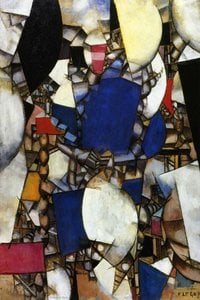
Fernand Légerin sivellin liikkui rytmikkäällä, lähes teollisella tarkkuudella, pyrkien vangitsemaan muuttuvan aikakauden sykkeen. Hän kääntyi pois menneisyyden pehmeistä ja sulautuvista varjoista ja valitsi sen sijaan sommitelmansa rakentamisen vankkaan, geometriseen voimaan perustuvan kielen kautta. Tämä johti henkilökohtaisen kubismin muodon kehittymiseen, jonka kriitikot tunnistivat nimellä ”tubismi”. Tässä tyylissä maailma kuviteltiin uudelleen putkimaisina, kartiomaisina ja kuutiomaisina muotoina, luoden tilavuuden tuntua, joka tuntui samanaikaisesti kiinteältä ja dynaamiselta. Hän ei ainoastaan maalannut esineitä; hän pyrki löytämään niiden olennaisen, rakenteellisen logiikan.
Hänen valitsemansa värit olivat yhtä päättäväisiä kuin muodot, joita ne täyttivät. Hän suosi primääriväreillä hallittua palettia, jota usein rytmittivät jyrkät mustat ja valkoiset sävyt, mikä auttoi määrittelemään aiheidensa terävät rajat. Perinteisen illusionismin sijaan hän levitti maalia rohkeina, litteinä väripintoina. Hän käytti usein paksua impasto-tekniikkaa, joka korosti väriaineen fyysistä läsnäoloa kankaalla. Tämä tekstuurinen lähestymistapa varmisti, että hänen työnsä tuntuivat maanläheisiltä ja materiaalisilta, heijastaen juuri niitä koneita ja urbaaneja rakenteita, joita hän niin ihaili. Hänen hahmonsa saivat usein virtaviivaisia, mekaanisia muotoja, hämärtäen rajan orgaanisen ihmismuodon ja modernin ajan teknisen tarkkuuden välillä.
- Nudes in the Forest (1910)
- The Woman in Blue (1912)
- Soldier with a Pipe (1916)
- The Mechanic (1920)
Myöhemmät vuodet ja kuolema
Maailmanpoliittisten myllerrysten ja konfliktien aallot vetivät taiteilijan lopulta pois Pariisin avantgarde-piireistä ja Atlantin yli. Vuosien 1940 ja 1945 välisenä aikana hän asui Yhdysvalloissa, mikä tarjosi hänelle uudenlaisen perspektiivin moderniin maailmaan, jota hän oli niin pitkään pyrkinyt tulkitsemaan kankaalle. Tämä ulkomailla vietetty aika tarjosi hengähdyshetken hänen pitkässä taiteellisessa evolutiossaan – siirtymävaiheen ennen lopullista paluuta Ranskan maaperälle.
Palattuaan kotimaahansa hänen henkilökohtaisessa elämässään tapahtui merkittävä muutos. Helmikuussa 1952 hän avioitui Nadia Khodasevichin kanssa. Tämä liitto merkitsi hänen elämänsä viimeistä lukua, jota leimasi jatkuva ja monipuolinen tuotanto, aina suurista seinämaalauksista herkkiin lasimaalauksiin. Vaikka ikä karttui, hänen arvostuksensa kansainvälisellä taiteen näyttämöllä pysyi vakaana. Vuonna 1955 hän sai kunniahimon, São Paulon biennalin suuren palkinnon, joka koitti samana vuonna, jolloin hän itse poistui maailmasta. Fernand Léger kuoli 17. elokuuta 1955 Gif-sur-Yvettessä, Ranskassa.
Perintö ja vaikutus
Fernand Léger jätti jäljen, joka ulottui kauas hänen omana aikanaan vallinneiden avantgarde-piirien ulkopuolelle. Siltaamalla kuilun abstraktin taiteen ja figuratiivisen esitystavan välillä hän tarjosi taiteilijoille tavan kohdata moderni maailma hylkäämättä ihmishahmoa kokonaan. Hänen lähestymistapansa mahdollisti vuoropuhelun geometrian rakenteellisen logiikan ja ihmisten sekä esineiden tunnistettavan läsnäolon välillä. Tämä kyky löytää välimuoto puhtaasti käsitteellisen ja käsin kosketeltavan välillä auttoi muovaamaan suuren osan siitä taiteesta, jota seurasi.
Muodon rohkea pelkistäminen ja kiehtomus massatuotannon estetiikkaa kohtaan toimivat esikuvana pop-taiteen liikkeelle. Hän näki tiettyä kauneutta koneellisen aikakauden toistuvassa ja funktionaalisessa luonteessa – näkökulmassa, joka resonoi myöhemmin uuden sukupolven luovien tekijöiden kanssa. Taiteilijat, kuten Roy Lichtenstein ja Andy Warhol, vetivät selkeän linjan hänen kokeilujensa – rohkeat ääriviivat ja mekaaninen kuvasto – ja omien tutkimustensa välille, jotka keskittyivät populaarikulttuuriin. Hän auttoi valmistelemaan visuaalista kieltä aikakaudelle, joka lopulta juhlisti juuri niitä teollisia ja kaupallisia elementtejä, joita hän oli aiemmin pyrkinyt kankaalle siirtämään.
Missä hänen teoksiaan voi nähdä tänään
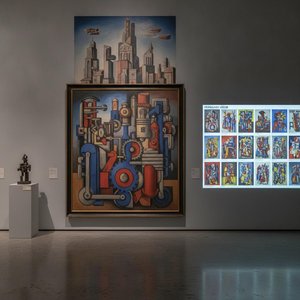
Kohdatakseen hänen vision fyysisen läsnäolon, matka voi viedä Etelä-Ranskaan, tarkemmin sanottuna Biotiin Alpes-Maritimes’n alueelle. Siellä sijaitsee Musée national Fernand Léger, paikka, joka on omistettu kokonaan hänen tuotantonsa tutkimiselle ja säilyttämiselle. Museo toimii Mas Saint-Andréssä, villassa, joka kuului aikoinaan itse taiteilijalle. Näiden seinien sisällä ja ympäröivissä puutarhoissa hänen moniväriset keramiikkaveistoksensa löytävät luonnollisen ympäristönsä, antaen katsojalle mahdollisuuden nähdä, kuinka hänen muotonsa vuorovaikuttavat Välimeren maiseman valon ja tilan kanssa.
Tämän erikoistuneen pyhätön lisäksi hänen kankaansa ja veistoksensa sijaitsevat useissa merkittävissä instituutioissa. Ranskan Musée d'Art et d'Histoire ylläpitää kokoelmaa hänen teoksistaan, varmistaen hänen läsnäolonsa osana laajempaa ranskalaisen taiteen kertomusta. Nämä kokoelmat mahdollistavat jatkuvan tutkimuksen siitä, kuinka hän käänsi koneellisen aikakauden energian staattisiksi, mutta sykkiviksi visuaalisiksi muodoiksi. Matkailijat, jotka etsivät hänen erityistä estetiikkaansa, voivat löytää hänen jälkiään useista suurista kokoelmista, kuten:
Hänen vaikutuksensa elää myös muiden taiteilijoiden teoksissa, mutta ensisijainen tapa todistaa hänen suoraa kättään on näiden vakiintuneiden arkistojen kautta. Olipa kyseessä rohkeiden, lieriömäisten muotojen tarkastelu museoympäristössä tai hänen veistostensa kohtaaminen puutarhan hiljaisuudessa, katsoja kohtaa saman rakenteellisen selkeyden, joka määritteli hänen elämäntyönsä. Hänen perintönsä on ankkuroitu näihin tiettyihin paikkoihin, joissa hänen maalauksidensa raskaat, mekaaniset rytmit säilyvät niille, jotka etsivät hänen geometriansa totuutta.


 Esikatselu
 Jaa teos
 Jaa
Jaa
 Tiedot
 Opas
Opas

 Lataa kuva
 Samanlaisia kohteita
 Röntgenkuvaus
 Diaesitys
 Kysymykset ja vastaukset
 Tilastot

 Lue lisää
 Vaihda tulosteeseen





































 Lasivaihtoehto on saatavilla vain alle 110 cm kokoisille teoksille