Ilmainen taidekonsultointi

x
Tilaa painos Tilaa painosTilaa maalaus Tilaa maalaus JaaJaa
TiedotTiedot Lisää suosikkeihin Lisää suosikkeihin LataaLataa SamanlaisiaSamanlaisia X-lähikuvaX-lähikuva DiaesitysDiaesitys

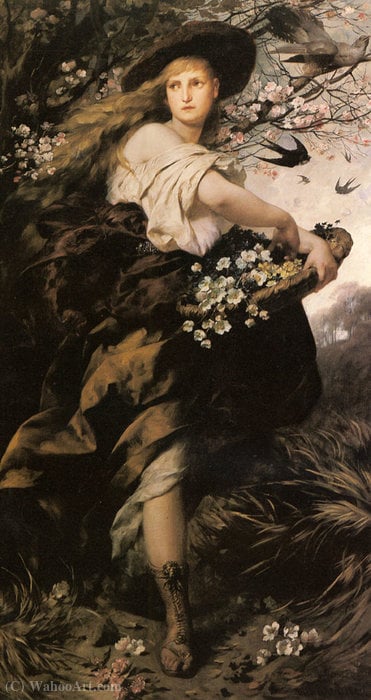
Flora

Explore the genre & history paintings of Ferdinand Keller (1842-1922), a German artist known for his depictions of bullfighting, landscapes, and royal commissions. Discover his legacy!

Osta korkearesoluutioinen, parannettu digitaalikuva, joka on laadultaan huomattavasti parempi kuin verkkosivuston esikatselu.

Jokainen tiedosto valmistellaan huolellisesti omien asiantuntijoidemme toimesta käyttäen edistyneitä työkaluja ja ammattitaitoista manuaalista retusointia. Varmistamme, että jokaisessa kuvassa on poikkeuksellinen selkeys, tarkka värintoisto ja hienovaraiset yksityiskohdat.

Lopputiedosto toimitetaan sähköpostitse 72 tunnin kuluessa, ja se on optimoitu välittömään käyttöön ammattimaisissa, toimituksellisissa ja painoympäristöissä. Laatu on sama, johon huipputason suunnittelustudiot, kustantajat ja galleriat luottavat.

Digitaalinen kuva

Lataa korkearesoluutioinen tiedosto henkilökohtaiseen näyttelyyn, tulostamiseen ja luoviin projekteihin.

Kokonaishinta

$9.99

Sisältyy jokaiseen digitaalisen kuvan tilaukseen

Asiantunteva digitaalinen toimitus, taattuun laatuun

Kun valitset WahooArt.com-palvelun, et saa vain kuvaa – saat ammattimaisesti parannetun digitaalisen taideteoksen, joka on luotu tarkkuudella ja jonka takaa tulee tyytyväisyystakuu. Tässä on kaikki, mitä tilauksesi sisältää, automaattisesti:

shipping_icon
Nopea digitaalinen toimitus

Korkearesoluutioinen digitaalinen kuvatiedostosi lähetetään sähköpostiisi 72 tunnin kuluessa tilauksesta – valmiina käytettäväksi välittömästi.

canvas_icon
Tekoälyllä parannettu digitaalinen tiedosto

Taiteilijasi teos on optimoitu ammattimaisesti edistyneiden tekoälytyökalujen ja manuaalisen muokkauksen avulla, mikä takaa maksimaalisen yksityiskohtaisuuden, selkeyden ja väritarkkuuden.

insurance_icon
Ilmainen elinikäinen uudelleenlähetyspalvelu

Oletko vahingossa poistanut tai kadottanut tiedostosi? Ei hätää – lähetämme sen sinulle uudelleen milloin tahansa täysin maksutta.

tax_icon
Ei tuontimaksuja – koskaan

Nauti taiteestasi välittömästi ilman tulleja, veroja tai toimitusmaksuja – digitaaliset lataukset ovat aina verovapaita.

color_icon
Värintoiston tarkkuustakuu

Varmistamme, että digitaalinen kuvasi vastaa alkuperäisiä värejä mahdollisimman tarkasti käyttämällä ammattilaistason työkaluja ja värinhallintaa.

return_icon
60 päivän tyytyväisyystakuu

Jos et ole tyytyväinen digitaaliseen kuvaasi, muokkaamme sitä tai palautamme 100% takaisin 60 päivän kuluessa – ilman kysymyksiä.

guarantee_icon
100% Rahat takaisin -takuu

Etkö ole tyytyväinen? Saat täyden hyvityksen 60 päivän kuluessa digitaalisen tiedostosi vastaanottamisesta – ilman kyselyitä.

discount_icon
Suurtilaaja-alennukset

Osta 3 kuvaa, säästä 10% - Osta 5, säästä 15% - Osta 10+, säästä 20%. Erinomainen valinta luoviin projekteihin, gallerioille ja toimistoille.


Taiteilijan elämäkerta

Ferdinand Keller (1842–1922): A Pioneer of Romantic Symbolism

Ferdinand Keller (August 5, 1842 – July 8, 1922) stands as a pivotal figure in German Romantic painting, recognized primarily for his masterful depictions of bullfighting and landscapes imbued with profound symbolic resonance. Born in Karlsruhe to the family of a civil engineer, Keller’s artistic journey began amidst the intellectual fervor of his time—a period marked by burgeoning interest in psychology and philosophical explorations into the human condition. His formative years were shaped by witnessing his father's involvement in ambitious infrastructural projects across Brazil, fostering an early appreciation for observation and meticulous detail. Keller’s formal training commenced at the Karlsruhe Academy of Fine Arts under Johann Wilhelm Schirmer, a celebrated educator who championed classical ideals and instilled in Keller a dedication to artistic rigor. Schirmer’s influence extended beyond technique; he encouraged Keller to contemplate the broader implications of art as a vehicle for conveying emotion and intellectual insight—a cornerstone of Romantic philosophy. Following Schirmer's untimely demise, Keller honed his skills with Ludwig des Coudres, whose teachings further refined Keller’s stylistic sensibilities. Dissatisfaction with the Academy’s conservative approach propelled him toward independent study, prioritizing private instruction in the studio of Hans Canon, a sculptor known for his expressive realism. These formative experiences fueled Keller's artistic explorations, encompassing extensive travel to Switzerland and France between 1866 and 1867—locations that served as sources of inspiration for his landscapes and imbued them with the spirit of Romantic idealism. He achieved considerable acclaim early in his career with “The Death of Philip II,” presented at the International Exposition of Paris in 1867, demonstrating his ability to capture dramatic emotion and psychological complexity within a monumental canvas. From 1867 to 1869, Keller resided in Rome, engaging intellectually with Anselm Feuerbach—a fellow artist and philosopher whose ideas profoundly impacted Keller’s artistic worldview. This collaboration fostered a shared commitment to exploring the relationship between art and spirituality, shaping Keller's distinctive aesthetic vision. Keller’s directorial tenure at Karlsruhe Academy (1870–1913) solidified his position as a leading figure in German art education—a role he embraced with unwavering dedication. Beyond his responsibilities as instructor and director, he undertook significant commissions for theatrical productions, notably decorating the King Carl Hall at the Landesmuseum Württemberg, where his opulent murals showcased his mastery of color and composition. Recognizing Keller’s artistic merit and contribution to cultural heritage, Frederick I, Grand Duke of Baden, bestowed upon him the title of nobility—a testament to his enduring legacy as a visionary artist and humanist. Perhaps most notably, he undertook the monumental task of painting “The History of Baden,” now housed at the Staatliche Kunsthalle Baden-Baden—a project that exemplifies Keller’s ambition to engage with grand narratives and convey profound emotional truths through visual art. Keller's artistic output extended beyond monumental murals; his etchings served as illustrations for numerous literary works, demonstrating his versatility as an artist and furthering his engagement with intellectual discourse. His landscapes, characterized by atmospheric perspective and evocative tonal harmonies, capture the sublime beauty of Alpine vistas—reflecting the Romantic preoccupation with confronting the grandeur of nature and contemplating its spiritual significance. Keller’s paintings are distinguished by their meticulous attention to detail, combined with a masterful command of color and light—elements that contribute to their expressive power and enduring appeal. His artistic legacy continues to inspire artists today, cementing his place as one of Germany's most influential Romantic painters.
ferdinand keller

ferdinand keller

1842 - 1922

Lyhyesti esiteltynä

  • Artistic Movement Or Style: Romanticism
  • Artists Or Movements Influenced By This Artist: ['Arnold Bocklin']
  • Artists Who Influenced This Artist:
    • Hans Canon
    • Ludwig Richter
  • Date Of Birth: August 5, 1842
  • Date Of Death: July 8, 1922
  • Full Name: Ferdinand Keller
  • Nationality: German
  • Notable Artworks:
    • The Death of Philip II
    • Türkenlouis
  • Place Of Birth: Karlsruhe, Germany