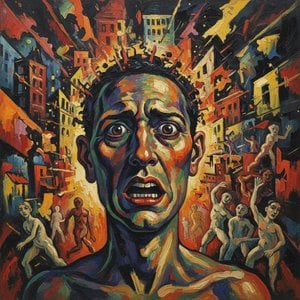
A Life Forged in Expression: The World of Ernst Ludwig Kirchner
Ernst Ludwig Kirchner, nimi joka on synnyttynyt voimakkaasta tunteiden ja sielun syvyyksistä, syntyi maailmaan, joka oli juuri siirtymässä dramaattisiin muutoksiin. Hänen olemassaolonsa alkaminen Aschaffenburgissa, Baijerissa, vuonna 1880, merkitsi elämän alkua, joka oli tiiviisti sidottu taiteelliseen innovointiin ja henkilökohtaiseen myrkyllisyydelle. Hänen lapsuusympäristönsä muuttuvat maisemat – määrätyt hänen isänsä ammatin mukaisesti – sisälsivät hänessään paikkaantumisen tunteen, joka myöhemmin heijastui hänen taiteeseensa. Frankfurtista Perlen kautta ja lopulta asettuessaan Chemnitziin, nuori Kirchner imi nopeasti modernisoitavan Saksan kasvavia huolia. Vaikka hänet oli aluksi ohjattu arkkitehtuurin pariin Königlichen Technischen Hochschule Dresdenissä, se oli taiteen vetovoima, vahvistettuna mestareiden kuten Albrecht Dürerin ihailun ja akateemisen konventioon vastustamisen kautta, joka lopulta määritti hänen polkunsa. Hän löysi yhteyttä samanhenkisiin kapinattareihin – Fritz Bleyliin, Karl Schmidt-Rottluffiin ja Erich Heckeliin, luoden siteitä, jotka muuttivat peruuttamattomasti 2000-luvun taiteen kulkua.
The Bridge Between Worlds: Die Brücke and Artistic Revolution
Vuonna 1905 Kirchnerista tuli *Die Brücken* (“The Bridge”) -taidekollektiivin perustajajäsen, joka oli omistettu silmänramaiden avaamiseen perinteisen estetiikan ja voimakkaamman, tunteellisesti latautuneen taidemuodon välillä. Tämä ei ollut pelkästään tyylivalinta; se oli filosofinen asenne. Ryhmä pyrki löytämään inspiraatiota usein huomiotta jätetyistä lähteistä – primitivistista taiteesta Afrikasta ja Oseaniasta, Vincent van Goghin rohkeista väreistä ja Edvard Munchin hahmoissa piilevän psykologisen syvyyden. He hylkasivat akatemian suosiman ihanteellisten kauneuden esittämisen, sen sijaan he omaksuivat vääristelyjä, häiritseviä väripaletteja ja tunteellisesti latautunutta sivellinmaalausta välittääkseen modernin elämän ahdinkoa ja eristyneisyyttä. Kirchnerin varhaiset teokset, syntyneet tämän yhteistyöhengen pohjalta, pulsoivat levottomuudella, heijastaen ryhmän jakamat pyrkimykset vapautua taiteellisista rajoituksista. Ateljeeesta tuli kokeilupaikka, tila jossa sosiaaliset normit haastettiin yhdessä taiteellisten konventioiden kanssa. Ihmiskuvan tutkiminen, erityisesti naispuolisen ruumiin esittäminen sekä kaupunki- että luonnonympäristöissä, muuttui toistuvaksi teemaksi, mahdollistuen Kirchnerille tutkimaan liikettä, tunteita ja modernin elämän monimutkaisuuksia.
Urban Anxieties and Bold Visions: Defining a Style
Kirchnerin taiteellinen tyyli on heti tunnistettavissa sen ainutlaatuisilla piirteillä. Hän ei käyttänyt värejä uskottavan esityksen välineenä, vaan työkaluna tunteiden herättämiseen – voimakkaita, usein epätodellisia sävyjä, jotka korostivat ahdistuksen tai intensiteetin tunnetta teoksissaan. Hänen siveltimensä olivat energisiä ja näkyviä, mikä edesauttoi kokonaisvaltaisen välittömän ja tunteellisen vaikutelman luomista. Figuurit ja esineet vääristyivät usein tai pidensivät, heijastaen subjektiivista eikä objektiivista todellisuutta. Erityisesti Kirchner vangitsi modernin kaupunkiympäristön psykologisen vaikutuksen teoksiensa kautta. Teokset kuten *The Street* (1908) eivät ole vain kaupunkimaisemien kuvauksia; ne ovat ihmisten eristyneisyyden portretteja, jotka vangitsevat nopeasti muuttavan maailman kaoottista energiaa ja tunteellista irtautumista. Hän ei vastannut väheksyvästi modernin elämän synkempiä puolia – yksinäisyyttä, anonyymiä olemassaoloa ja sitä, kuinka suuri kaupunkien mittakaava uhkaa ihmisen kokemusta. Tämä epäröimätön katse asetti hänet aikansa kronikkaan, taiteilijaksi, joka uskalsi kohdata yhteiskunnan edistyksen piileviä huolia.
Tragedy and Legacy: A Lasting Impact
Kirchnerin elämä oli surullisesti merkitty henkilökohtaisten kamppailujen kautta. Ensimmäisen maailmansodan kauhut laukaisivat vakavan psyykkisen romahduksen, joka pakotti hänet vetäytymään Sveitsiin etsien lohtua. Kuitenkin jopa eksilössä hän jatkoi luomista, hänen taiteensa heijasti jäljellä olevaa traumoja ja eristyneisyyttä, joita hän koki. Nazisminsa nousu toi mukanaan uusia vaikeuksia; yli 600 teoksiaan takavarikoitiin ja merkittiin "degeneroituneeksi" taiteeksi – tuhoisa isku, joka korosti poliittisen ilmapiirin vihamielisyyttä modernia taidetta kohtaan. Hänet syrjäytettiin Berliinin taideakatemian jäsenyydestä vuonna 1938 ja hän menetti työpaikkansa. Surullisesti Kirchner otti oman elämänsä pääteeksi Davosissa, Sveitsissä, vuonna 1938. Vaikka tämä surullinen loppu olisi ollutkin, Ernst Ludwig Kirchnerin perintö on edelleen voimakkaasti vaikuttava. Hän seisoo keskeisenä saksalaisessa ekspressionismissa, inspiroiden sukupolvia taiteilijoita rohkealla tyylillään, tunteellisesti resonanssisilla esityksillään modernista elämästä ja sitoutumisellaan taiteelliseen totuuteen. Hänen teoksiaan esitellään edelleen suurissa museoissa ympäri maailmaa, toimien voimakkaana muistuttajana taiteen kyvystä kohdata, haastaa ja lopulta valaista ihmiskunnan olemassaoloa.
- Influenced By: Albrecht Dürer, Vincent van Gogh, Edvard Munch, Primitive Art (African & Oceanic)
- Influenced: Kirchnerin työ vaikutti voimakkaasti myöhempiä ekspressionistisia ja moderneja taiteilijoita. Hänen ihmisen kuvan tutkimuksensa, erityisesti tunteiden ilmaisun ja innovatiivisen värien ja muodon käytön kautta inspiroi nykytaidetta.
Current Meta Description: Ernst Ludwig Kirchner (1880-1938): Key German Expressionist & Die Brücke co-founder. Explore bold, emotive paintings of urban life, nudes & landscapes.
Current Meta Keywords: Ernst Ludwig Kirchner, Kirchner paintings, German Expressionism, Die Brücke, Expressionist art, Berlin street scenes, Woodcut prints, Modern German art, Nude figures, Kirchner artwork



 Esikatselu
 Osta käsintehty maalaus
 Jaa
Jaa Jaa
Jaa
 Tarkemmat tiedot

 Lataa
Lataa
 Samanlaisia
 Röntgenkuva
 Diaesitys
 Tilastot


 Näytä lisää






































 Lasivaihtoehto on saatavilla vain alle 110 cm kokoisina teoksina