

 Acrylic On CanvasWallArtBaroque Expressionism
 1603
1603 187.0 x 102.0 cm
 Hospital de la Caridad
Museolaatuisia giclée- tai kankaitaulun tulosteita nopealla tuotannolla ja joustavilla viimeistelyvaihtoehdoilla. ( Tilaa käsinmaalattu jäljennös Siirry digitaaliseen kuvaan)





























Valitse valmiista mitoistamme sellaiset, jotka vastaavat teoksen alkuperäisiä mittasuhteita.

Kirjoita tarvitsemasi leveys ja korkeus, jotta tuloste sopii kehyskokoon tai seinällesi. Tulostetta voidaan vain leikata, sitä ei voi koskaan tehdä suuremmaksi kuin alkuperäinen kuva, joten eri muotoinen koko aiheuttaa osan kuvasta katoamisen. Lähetämme sinulle digitaalisen mallikuvan hyväksyttäväksi ennen kuin aloitamme tulostuksen. Tällä sivulla näkyvä kuva ei näytä lopullista leikkausta — vain mallikuva näyttää sen.
Maailmanlaajuinen toimitus () 2 viikossa tavallisen 4–5 viikon sijaan. (24 lokakuu)
St Ildefonso
Replikaatin koko
El Greco’s “St. Ildefonso” (c. 1603) is not merely a portrait; it's an immersion into the heart of faith and contemplation, rendered with the artist’s signature blend of Byzantine solemnity and intensely personal expression. The painting depicts a man, identified as St. Ildefonsus, Archbishop of Toledo, seated at a desk laden with papers and books – a scene that immediately evokes a sense of scholarly devotion. Yet, it's the figure himself, bathed in a muted yet luminous light, that commands attention. His elongated form, characteristic of El Greco’s style, seems to defy earthly proportions, suggesting a being elevated beyond the mundane, caught in a moment of profound spiritual engagement.

The detail shown in the image reveals a meticulous attention to texture and form, a hallmark of El Greco’s early training. Note the rich folds of the black robes, the subtle shading that defines the face, and the careful rendering of the books scattered across the desk – each element contributing to the painting's overall sense of depth and realism, despite the stylized figures.
Born in Crete in 1541, Doménikos Theotokópoulos, known as El Greco, forged a distinctive artistic path that defied easy categorization. His early training within the Byzantine tradition instilled a deep understanding of religious iconography and a meticulous attention to detail. However, he wasn’t content to remain confined by these established forms. He traveled through Venice and Rome, absorbing the influences of Mannerism and the Venetian Renaissance – artists like Tintoretto and Titian—and skillfully integrated them into his own unique style. This synthesis is powerfully evident in “St. Ildefonso,” where the solemnity of Byzantine art coexists with a heightened emotional intensity reminiscent of early Baroque painting.
The elongated figures, often interpreted as expressions of spiritual yearning or inner turmoil, are a key element of El Greco’s distinctive style. They seem to stretch and distort, creating a sense of dynamism and movement that draws the viewer into the scene. The muted color palette—primarily dark browns, grays, and blues—further enhances this effect, contributing to the painting's atmosphere of quiet contemplation.
The setting itself is laden with symbolic meaning. The desk covered in papers suggests St. Ildefonsus’s role as a scholar and theologian, engaged in writing or perhaps studying scripture. The books represent knowledge and wisdom – essential components of his spiritual life. The figure's posture—seated at the desk, pen in hand—conveys a sense of focused concentration and intellectual rigor. The presence of another person in the background, seemingly observing the scene, hints at the importance of community and shared faith within the saint’s world.
Created around 1603, “St. Ildefonso” reflects the artistic climate of Toledo during El Greco's time. The city was a major center for religious art, attracting artists from across Europe. El Greco himself settled in Toledo and produced many works for local churches and patrons, including the Museo de El Greco. This painting is part of a series depicting saints, showcasing his ability to capture both their historical significance and their spiritual essence.
“St. Ildefonso” transcends its purely representational function, offering viewers a glimpse into the inner world of a devout man. El Greco’s masterful use of light, color, and form creates an atmosphere of profound contemplation, inviting us to share in St. Ildefonsus's spiritual journey. Reproductions of this powerful work capture not only its visual beauty but also its emotional depth—a testament to the enduring legacy of one of art history’s most enigmatic and influential figures. Consider a hand-painted reproduction to bring this captivating scene into your home, allowing you to experience the intensity and spirituality of El Greco's vision daily.
Teoksesta El Greco:n "St Ildefonso" on saatavilla Opas -sivu: tulostettava tietolomake teoksesta, joka on suunniteltu opiskelijoita ja luokkahuonekäyttöä varten.
El Greco:n "St Ildefonso" esittää aiheita saint, toledo, spain, religion, writing, books, figure, study Dramatic tunnelmassa. Aihe ja ilmapiiri kuvaavat teosta yhdessä.
Teoksen El Greco:n "St Ildefonso" kontrastitaso on Statement.


1541 - 1614 , Kreikka

Tutustu Museo Pradon 25 ikoniseen mestariteokseen! Velázquez, Goya ja El Greco – espanjalaisen taiteen huipputeoksia tarinoineen. Löydä inspiraatiota kotiisi ja tutustu laajaan valikoimaamme korkealaatuisia taideprinttejä WahooArt.comissa.
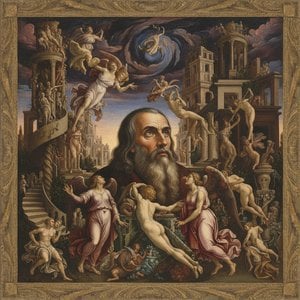
Explore the dramatic transition from High Renaissance harmony to Mannerist tension. Discover how masters like El Greco redefined art through distortion and spiritual intensity. An expert guide for art enthusiasts seeking deep historical context and museum-quality inspiration.

Tutustu El Grecon 25 vaikuttavimpaan mestariteokseen! Uppoudu espanjalaisen renessanssin ja manierismin maailmaan. Taidehistoriaa, uskonnollisia maalauksia ja inspiraatiota kotiisi – löydä upeat taidevedokset WahooArt.comista.
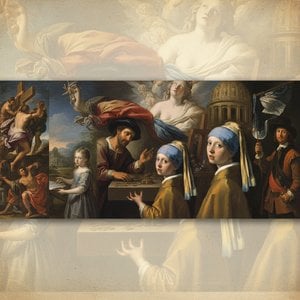
Uppoudu barokin loistokkuuteen! Tutustu Caravaggion, Rembrandtin ja Vermeerin kaltaisten mestareiden tunnetuimpiin teoksiin. Taidehistoriaa kotiisi – löydä upeat taidetulosteet ja canvas-taulut WahooArt.comista.

Explore the captivating world of El Greco! Discover his unique style, spiritual intensity, and lasting impact on art history. Learn about this Renaissance master's life, iconic paintings & legacy.

 Katso seinällä
 Lähetä
 Jaa
Jaa
 Tarkemmat tiedot
 Opas
Opas

 Lataa kuva
 Samanlaisia kohteita
 Röntgenkuvaus
 Diaesitys
 Tilastot
 Lue lisää









 Lasivaihtoehto on saatavilla vain alle 110 cm kokoisille teoksille


