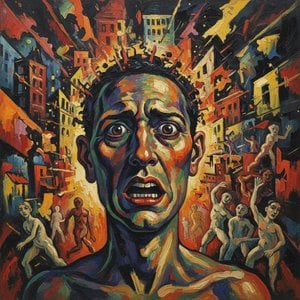
A Life Forged in Expression
Egon Schiele, syntynyt Tulln an der Donau vuonna 1890, oli itävaltalainen taidemaalari ja piirtäjä, joka tunnetaan syvästi tunteikkaasta ja usein ahdistavasta taiteestaan. Hänen elämänsä oli täynnä sekä merkittävää taiteellista näkemystä että syvää henkilökohtaista kärsimystä. Varhaiset vuodet olivat varjoissaan sairauden ja menetyksen vallassa; hänen isänsä, joka kärsi promegalyytistä (syfilisestä), kuoli Egonin ollessa vain neljätoista, mikä jätti syvän jäljen hänen teoksiinsa ja herätti jatkuvan pohdinnan kuolemattomuudesta. Alun perin hänen äitinsä ja myöhemmin jonkin verran hallitsevan sukunserin Leopold Czihaczekin huolen alla kasvaessaan, Schiele’n lapsuus oli epävakaa, mutta samalla hän kehitti vahvan itsenäisyyden. Jo nuorena poikana hän osoitti suurta kiinnostusta junia kohtaan – motiivi, joka myöhemmin toistui maalauksissaan – ja lahjakkuutta piirtämisessä, vaikka sitä aluksi vastustettiin hänen isänsä taholta, joka näki sen häiriönä käytännöllisempiin harrastuksiin. Hänen siskonsa Eliran varhainen kuolema loi myös pitkäaikaisen varjon nuoren taiteilijan psyykeelle. Nämä varhaiset kokemukset synnyttivät herkkyyttä ja tunteellista aitoutta, jotka muotostivat hänen taiteellista ilmaisuaan – jatkuvan kamppailun elämän, kuoleman ja ihmiskunnan olemassaolon kanssa.
The Crucible of Vienna: Artistic Development
Schiele’n virallinen taidetuotantonsa alkoi Kunstgewerbeschule -taidekoulussa Wienissä, mutta hän pian tunsi itsensä tukahdutettuna koulun konservatiivisen lähestymistavan vuoksi. Hän siirtyi sitten Akademie der bildenden Künsteen (Wienin Taideyhteiskuntaan), mutta myös sieltä tuli pettymys sen jäykistä akateemisista perinteistä. Tämä tyytymättömyys johti siihen, että hän jätti koulutuksen kokonaan pois ja valitsi oman polkunsa, mikä oli osoitus hänen vakaumuksestaan taiteellisessa luomuksessa. Gustav Klimtin vaikutus oli keskeinen näinä varhaisina vuosina; Schiele ihaillessaan Klimtin koristeellista tyyliä ja symboliikkaa, jopa saaden ohjausta tunnetulta taiteilijalta. Hän kuitenkin pian erosi Klimtin estetiikasta, kehittäen oman, ainutlaatuisen äänensä, joka oli tunnusomaista sen suorapuheisuudelle ja psykologisille syvyyksille. Hän perusti Neues Wiener Kunstgruppe -ryhmän vuonna 1909, yhdistäen itsensä muiden edistyksellisten taiteilijoiden kanssa, jotka haastoivat vallitsevia taiteellisia normeja. Hänen varhaiset teoksensa, usein häiritseviä muotokuvia ja itsekuvia, alkoivat nousta voimakkaiksi lausuntoiksi tunteellisesta levottomuudesta, esittäen vääristyneitä hahmoja ja havaittavaa haavoittuvuutta. Nämä maalaukset eivät olleet pelkästään fyksisten muotojen kuvauksia, vaan ihmisen sisäisen maailman tutkimuksia – ahdistusten, toiveiden ja pelkojen, jotka vaivattivat ihmiskunnan psyykeä. Hän pyrki esittämään ei sitä, *mitä hän näki*, vaan sitä, *minkä hän tunsi*.
Raw Emotion and Unflinching Truth
Egon Schiele’n taide on heti tunnistettavissa sen suorapuheisuuden ja psykologisen syvyyden vuoksi. Hän kohtasi rohkeasti usein tabuna pideltyjä aiheita – seksuaalisuutta, kuolemaa, ahdistusta, eristystä – ilman pelkoa. Hänen tunnusomainen tyylinsä on tunnusomaista pitkänomaisille hahmoille, vääristyneille asennoille ja ilmaiseville viivoille, jotka välittävät tunnetta epämukavuudesta ja psykologista jännitettä. Ihmishahmo, erityisesti nainen nude, tuli hänen ensisijaisen aiheensa – ei ihanteen objektina vaan välineenä ihmiskokemuksen monimutkaisuuksien tutkimiseen. Itsekuvat muodostivat merkittävän osan hänen tuotoksistaan, tarjoten intiimejä näkymiä hänen sisämaailmaansa – maailmaa, joka on usein merkitty yksinäisyyteen ja itsetunnon epävarmuuteen. Hän ei vastannut vähempää taiteellisen ilmaisun vaatimuksille, vaan pyrki esittämään itsensä rohkeasti ja avoimesti. Maalauksiensa lisäksi Schiele loi muotokuvia muista ihmisistä, jotka vangitsivat heidän olemuksensa häiritsevällä realismilla, joka näytti tunkeutuvan pinnan alle. Hänen maisemansa, vaikka ne eivät olisikaan yhtä keskeisiä kuin hänen figuratiiviset maalauksensa, osoittavat hänen mestarillisuutta muodon ja värin suhteen, usein heijastaen samaa tunnetta kuin hänen muotokuvansa. Viivan käyttö on erityisen huomattavaa Schiele’n taiteessa; se ei ole pelkästään muotojen määrittämiseen tarkoitettu työkalu, vaan ilmaisuvoima, joka välittää tunteen ja psykologista jännitettä. Toistuvat motiivit, kuten *Physalis*-kasvi – kuoleman ja ohimenevyyden symboli sen herkällä, paperimaisella kuoressa – korostavat tätä huolta kuolemattomuudesta entisestään.
A Legacy Cut Short: Achievements & Significance
Huolimatta kohtaamastaan sensuurista ja oikeudellisista haasteista – mukaan lukien lyhyt vankeustuomio syytösten vuoksi, että hän oli korruptoinut nuoria taiteilijoita taideteoksillaan – Schiele sai tunnustusta Wienin avantgarde-piireissä. Hänen taiteensa haastoi aikansa konventioita, mikä johti sekä ihailuun että tuomitsemiseen. Ennen kohtuuttoman varhaista kuolemaansa espanjantautiin vuonna 1918 vain 28-vuotiaana hän oli vakiinnuttanut asemansa johtavana hahmona itävaltalaisessa ekspressionismissa. Merkittäviä teoksia, kuten *Kardinaali ja nunna*, *Kuolema ja neito* sekä *Perhe*, ovat todiste hänen taiteellisesta lahjakkuudestaan. Hänen vaikutuksensa myöhemmän sukupolven taiteilijoihin on kiistaton, erityisesti niihin, jotka ovat kiinnostuneita psykologisten teemojen tutkimisesta ja konventioiden haastamisesta. Schiele’n maalaukset säilyvät edelleen nykyään merkittävissä museo- kokoelmissa ympäri maailmaa, kuten Leopold Museumissa Wienissä ja Egon Schiele Art Centrumissa Tšekin Krumpovaussa, varmistaen hänen taiteellisen perintönsä jatkumisen. Hän jätti jälkeensä teoksen, joka ei ole vain esteettisesti miellyttävä, vaan myös syvästi inhimillinen – todiste taiteen voimasta kohdata olemassaolon monimutkaisuudet rehellisyydellä, rohkeudella ja vakaumattomalla näkemyskyvyllä.
- Keskeiset teemat: Kuolema, seksuaalisuus, eristyneisyys, psykologinen levottomuus.
- Vaikuttavat taiteilijat: Gustav Klimt, itävaltalainen ekspressionismi.
- Tyylin tunnusmerkit: Pitkänomaiset hahmot, vääristyneet asennot, ilmaisevat viivat, suora tunne.



 Esikatselu
 Vaihda tulosteeseen
 Jaa
Jaa Jaa
Jaa
 Tarkemmat tiedot

 Lataa
Lataa
 Samanlaisia
 Röntgenkuva
 Diaesitys
 Tilastot

 Näytä lisää






































 Lasivaihtoehto on saatavilla vain alle 110 cm kokoisina teoksina